



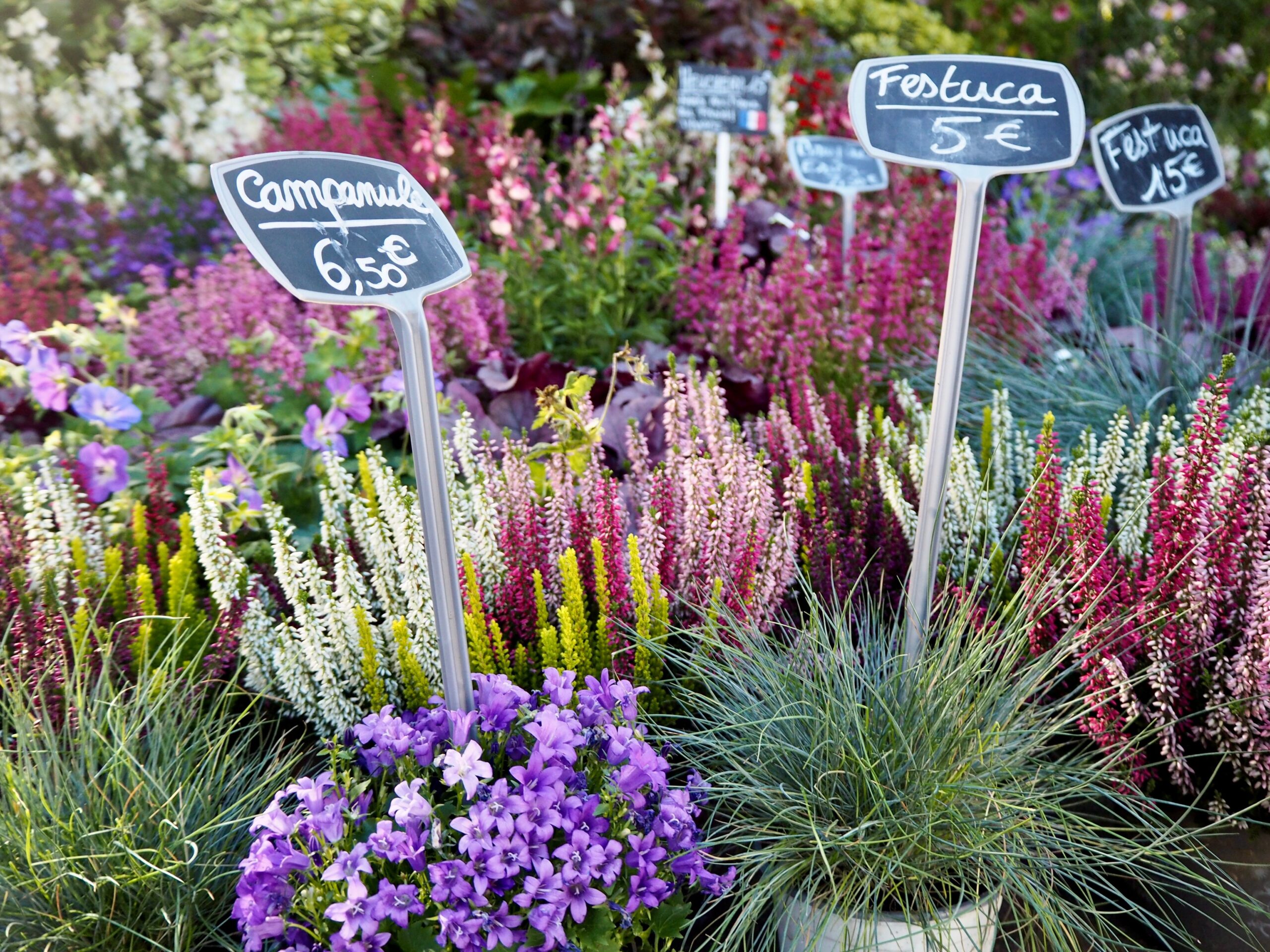
Imagine stepping into your garden on a chilly winter morning, the frost lightly dusting vibrant evergreen shrubs while your aromatic herbs stand resilient, ready to lend fresh scents to your kitchen. Come spring, this same garden bursts into a kaleidoscope of colors, summer brings lush shade and fragrant blossoms, and autumn rewards you with warm hues and bountiful harvests. Achieving such a dynamic and alive garden throughout all four seasons isn’t a matter of luck; it’s the result of carefully planned planting strategies tailored for four-season climates.
In regions characterized by distinct seasonal shifts, gardening can pose unique challenges. How do you design a space that remains visually engaging and ecologically healthy from the capricious snowfalls of winter to the blazing heat of summer? This is where employing thoughtful planting strategies becomes invaluable. The right techniques help ensure that your landscape offers year-round interest, supports local wildlife, and thrives despite weather extremes.
In this article, you’ll discover key insights on how to select plants suited for each season, layer your garden for continuous appeal, and incorporate design principles that reflect both beauty and function. We’ll explore how to balance deciduous and evergreen species, use perennials wisely, and create microclimates within your yard to extend growing periods. From soil preparation to choosing companion plants that boost resilience, each tip is crafted to elevate your gardening game.
By integrating well-researched planting strategies into your four-season garden design, you’ll cultivate a landscape that’s not only stunning but sustainable. Whether you’re an experienced gardener aiming to refine your approach or a curious beginner eager to embrace the cycles of nature, the techniques discussed here will empower you to nurture a vibrant outdoor sanctuary every month of the year.
So, if you’ve ever wondered how to make your garden a living masterpiece through all seasons, read on. We’re about to embark on a journey into the art and science of planting strategies designed specifically for four-season climates , unlocking the secret to a garden that truly flourishes, whatever the weather.
Why Planting Strategies are Crucial for Four-Season Climate Design
When it comes to creating landscapes that thrive year-round, understanding and implementing effective planting strategies is more important than you might realize. In a four-season climate, characterized by distinct spring, summer, autumn, and winter conditions, plants face a diverse range of challenges, from intense summer heat to harsh winter freezes. This variability demands thoughtful planning in landscape design to ensure both aesthetic beauty and ecological resilience throughout the year.
But what exactly do we mean by planting strategies? At its core, planting strategies refer to the deliberate selection, placement, and management of plants to fit the environmental conditions of a specific area. In a four-season climate, this means choosing species that can withstand fluctuations in temperature, moisture levels, and daylight hours. Moreover, it involves arranging plants in ways that maximize their growth potential while reducing maintenance needs and promoting biodiversity.
The significance of employing adaptive planting strategies in four-season climates extends beyond mere survival. According to the U.S. Environmental Protection Agency, appropriate vegetation in urban landscapes can reduce ambient temperatures by up to 7°F in summer, mitigating the urban heat island effect. Moreover, seasonal planting can enhance soil health, prevent erosion during heavy rains, and provide natural insulation during cold months. These environmental benefits translate into economic savings, improved property values, and healthier communities.
To illustrate, consider the example of Brookside Garden in Ohio, where landscape designers implemented a strategic planting plan tailored to the Midwest’s four-season climate. By integrating native trees like sugar maples and oaks for vibrant fall color, winter-hardy evergreens for year-round structure, and perennials with staggered bloom times, the garden maintains visual interest and ecological balance throughout the year. The garden’s careful placement of plants also creates microclimates that protect vulnerable species from extreme weather, resulting in lower maintenance costs and higher plant survival rates.
This success story highlights how understanding the nuances of planting strategies can transform a landscape from a seasonal patchwork into a dynamic ecosystem. In the upcoming sections, we’ll delve deeper into how these strategies can be applied practically to design resilient, attractive gardens that celebrate every season’s unique beauty.
How to Apply Planting Strategies Step by Step for a Four-Season Climate
Designing and implementing effective planting strategies in a four-season climate requires a thoughtful approach that embraces the unique challenges and opportunities each season offers. From crisp autumns to snowy winters, blooming springs, and hot summers, your planting techniques must adapt to ensure year-round garden vitality. Below is a comprehensive, step-by-step guide to applying planting strategies that thrive in four-season climates.
Step 1: Understand Your Local Climate and Soil Conditions
Before diving into planting, take the time to deeply understand the microclimate of your garden and the soil quality. This foundational knowledge is critical for selecting the right plants and deciding how to position them.
– Check temperature ranges: Note the average highs and lows of each season.
– Observe sun patterns: Track where sunlight falls during different times of the year.
– Test your soil: Analyze pH, nutrient levels, and drainage capabilities.
– Identify wind exposure: Wind can stress certain plants, especially in colder months.
Example: In a northern four-season climate, harsh winters may call for planting windbreaks with evergreens that withstand snow and cold.
Step 2: Choose Plants Adapted to Each Season
Selecting species and varieties that naturally thrive or remain resilient through seasonal changes is crucial. This ensures continuous garden interest and ecological balance.
– Spring: Opt for early bloomers like crocus, daffodils, and flowering shrubs that signal the end of winter dormancy.
– Summer: Incorporate sun-loving perennials and annuals such as coneflowers, daylilies, and ornamental grasses.
– Autumn: Plan for autumn-blooming plants like chrysanthemums and asters to extend garden color.
– Winter: Include evergreens and shrubs with interesting bark or berries, such as holly or dogwood, to maintain structure.
Tip: Layer plants by height and light needs to maximize garden depth and seasonal transitions.
Step 3: Design Planting Zones According to Seasonal Needs
Creating distinct planting zones in your garden tailored to seasonal requirements helps plants perform their best and supports maintenance routines.
– Frost-prone areas: Place cold-hardy species here to avoid damage.
– Sun-rich zones: Reserve these for heat-loving plants during summer.
– Sheltered spots: Ideal for tender plants vulnerable to harsh winds or frost.
– Moisture-retentive zones: Plant moisture-loving species near water catchments or lower soil areas.
Diagram: Below is a simplified planting zone layout for a four-season garden.
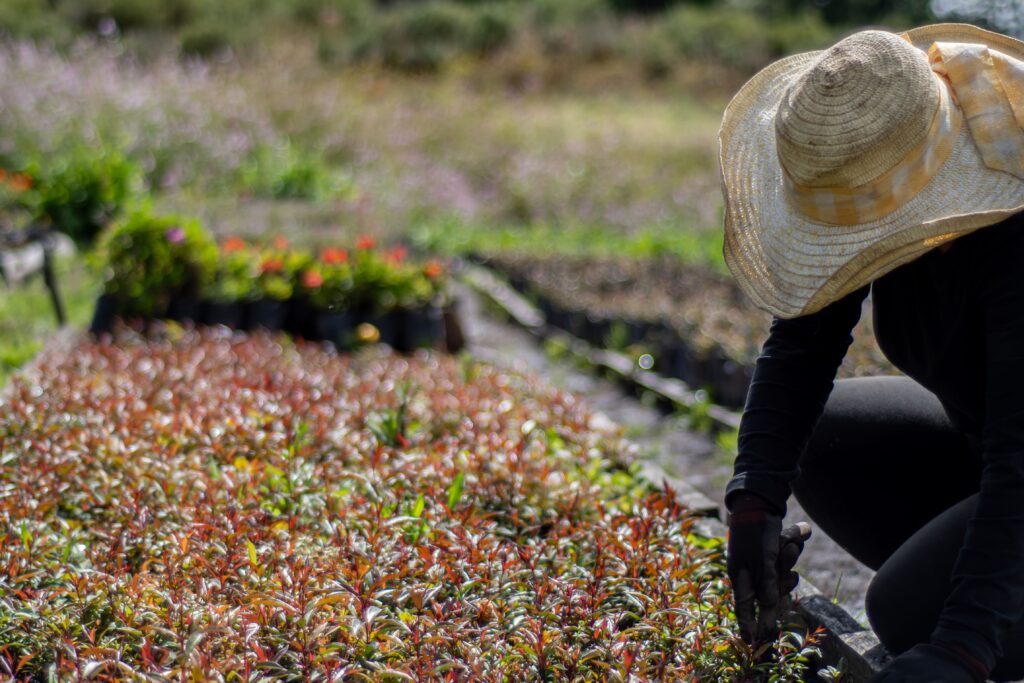
[Sunny South Zone] , heat-loving annuals and perennials
[Shaded North Zone] , shade-tolerant shrubs
[Windbreak Zone] , evergreens
[Moisture Zone] , moisture-loving groundcovers and ferns
Step 4: Plan and Implement Seasonal Rotations and Succession Planting
To maintain vibrant plant life year-round, succession planting involves staggering plantings so that as one species fades, another blooms.
– Spring to summer: Replace early bulbs with summer annuals.
– Summer to fall: Transition sunflowers and marigolds to ornamental cabbages and late-blooming asters.
– Fall to winter: Incorporate structural plants like grasses that catch frost or shrubs with colorful winter stems.
Example: After daffodils bloom in spring, plant summer zinnias in the same bed to maintain continuous color.
Step 5: Incorporate Mulching and Soil Care for Seasonal Changes
Mulching moderates soil temperature, retains moisture, and protects roots from freezing, a vital step in four-season climates.
– In fall: Apply a thick layer of organic mulch to insulate roots through winter.
– In spring: Refresh mulch to suppress weeds and prepare soil for planting.
– Adjust mulch depth: Thicker layers for winter; thinner in growing seasons to allow airflow.
Regularly amend soil with compost and nutrients to replenish what plants consume throughout the seasons.
Step 6: Protect and Maintain Plants Through Seasonal Transitions
Each season demands specific care protocols to ensure plant health and longevity.
– Winter protection: Use burlap wraps on sensitive shrubs to shield from cold winds.
– Spring pruning: Remove dead wood and shape plants before new growth spurts.
– Summer watering: Increase irrigation during dry spells, focusing on roots.
– Autumn cleanup: Clear fallen leaves to prevent pests and disease.
Step 7: Utilize Container Planting and Movable Elements
Container planting offers flexibility to adapt to changing seasons; move containers to optimize sunlight or shelter during extreme weather.
– In early spring, containers can be moved outdoors to warm up gradually.
– During cold snaps, move tender plants indoors or into greenhouses.
– Change seasonal displays by switching out container plants with the season.
Visual Example: Seasonal Planting Calendar
| Season | Key Planting Tasks | Recommended Plants |
|---|---|---|
| Spring | Plant early bulbs, prune shrubs, and apply mulch. | Crocus, daffodils, forsythia |
| Summer | Direct sow annuals and monitor watering. | Daylilies, coneflowers, sunflowers |
| Autumn | Plant fall bloomers and apply a thick layer of mulch. | Chrysanthemums, asters, ornamental grasses |
| Winter | Protect evergreens and prune deciduous trees. | Holly, dogwood, boxwood |
By following these detailed steps, your garden will not only survive but flourish through the changing dynamics of a four-season climate. Thoughtful planting strategies ensure beauty, sustainability, and ecological harmony year-round. Embrace the rhythms of each season and watch your landscape transform with nature’s pace.
Tips for Effective Planting Strategies in a Four-Season Climate:
🌱 Plan for Year-Round Interest:
In a four-season climate, ensure your garden has plants that provide beauty in all seasons, colorful blooms in spring and summer, vibrant foliage in fall, and interesting bark or evergreens in winter.
🌿 Choose Hardy, Native Species:
Select plants native to your region that can withstand temperature swings and seasonal changes. Native plants typically require less maintenance and are more resilient.
☀️ Consider Sun and Shade Patterns:
Map out the sun exposure in your garden throughout the year. Plant sun-loving species where they can thrive in summer and shade-tolerant plants in areas shaded by deciduous trees during winter.
💧 Incorporate Water-Wise Practices:
Adapt your watering strategy seasonally. Use mulch to conserve moisture in summer and protect roots in winter. Consider drought-resistant plants to mitigate dry spells.
🍂 Use Layered Planting for Insulation:
Design with layers, from ground covers to shrubs to trees, to create microclimates that protect plants from harsh winter winds and temperature extremes.
🌸 Stagger Bloom Times:
Choose plants with varied bloom periods to ensure that your garden offers continuous color and attracts pollinators from early spring through late fall.
📆 Plan Seasonal Maintenance:
Prepare a maintenance schedule that aligns with seasonal growth and dormancy. Prune at the right times to promote healthy growth and prepare plants for seasonal shifts.
🛠️ Incorporate Structural Elements:
Add elements like trellises, raised beds, and garden walls to protect sensitive plants and enhance growth conditions throughout different seasons.
By applying these planting strategies, you’ll create a resilient, thriving garden that adapts beautifully to the rhythms of a four-season climate.
Key Concepts: Planting Strategies in a Four-Season Climate
Embracing planting strategies within a four-season climate is akin to mastering the art of choreography, where each plant plays a role in a carefully orchestrated dance that evolves throughout the year. The complexity of such climates, marked by the distinct transitions of spring, summer, fall, and winter, demands an appreciation of rhythm, timing, and resilience in garden design.
Understanding the Seasonal Pulse
At the heart of any planting strategy lies the fundamental recognition of seasonal cycles. Imagine the garden as a living calendar where each plant’s growth, dormancy, bloom, or rest contributes to a tapestry of changing textures and colors. In a four-season setting, this cycle is pronounced: spring heralds rebirth, summer amplifies vitality, autumn whispers farewell through falling leaves, and winter imposes silence or subtle endurance.
The challenge and beauty of planting here is to harness these natural cadences rather than fight them. This philosophy transforms garden design into an interplay between anticipation and response, where knowing when and how plants express themselves provides a framework for harmony and balance.
The Concept of Temporal Layers
One deeply enriching way to view planting strategies is through the lens of temporal layering. This means selecting species not only for their aesthetic or ecological value but also for their temporal significance. Think of it as composing a symphony where certain instruments enter, crescendo, and exit at different times.
For example, early spring bulbs act as the overture, signaling the end of winter’s quiet. Perennials and shrubs might take center stage during summer’s peak, while deciduous trees prepare the grand finale with vibrant autumn foliage. Evergreens and winter-hardy plants maintain a subtle but essential presence backstage, anchoring the scenery when most others have bowed out.
Temporal layering enriches the viewer’s experience by creating a sequence of visual interest and ecological benefit, ensuring the landscape breathes life throughout the fluctuating seasons.
Plant Adaptation as a Narrative
The story of plants in a four-season environment is one of adaptation and survival. Each species carries an evolutionary narrative etched into its morphology, behavior, and lifecycle. Take, for instance, the deciduous tree shedding leaves in autumn, a strategy not unlike a theater’s blackout to conserve energy and prepare for renewed activity later.
Understanding these adaptations reveals the wisdom plants have to endure climatic challenges such as freezing temperatures, scorching summers, or unpredictable spring frosts. This dynamic lends itself to a planting strategy that respects and leverages the innate resilience of flora, rather than superimposing rigid control.
The Palette of Textures and Forms
Beyond the passage of time, planting strategies prosper by envisioning a palette of textures and forms that change character with the seasons. Imagine the garden as a living painting where each brushstroke varies in hue and density across months.
In winter, skeletal branches cast intricate shadows and reveal structure, much like the underlying bones of a sculpture. Spring introduces tender new leaves and blossoms akin to delicate brushstrokes of pastel color. Summer saturates the canvas with fullness and vitality, while autumn splashes it with fiery reds and golds.
This continuous transformation shapes a multisensory experience, where texture, form, and color collaborate to tell an evolving story rather than a static snapshot.
Layering for Microclimate Creation
A nuanced planting strategy also takes microclimates into account, recognizing that the garden comprises small environments influenced by factors such as sun exposure, wind patterns, soil moisture, and topography. This concept is comparable to the creation of ecosystems within ecosystems, where strategic placement allows plants to modulate temperature, humidity, and wind protection for one another.
For example, taller trees may shelter understory plants from harsh winter winds, while evergreens can form windbreaks that soften chilling effects. Moisture-loving plants placed in low-lying areas take advantage of natural water accumulation, whereas drought-tolerant species thrive on slopes where drainage is better.
This spatial layering and interaction reflect a deeply ecological approach where the garden becomes a self-regulating entity, sustaining its inhabitants through seasonal extremes.
Embracing Phenological Diversity
Phenology, the study of periodic plant and animal life cycle events, is a cornerstone in four-season planting strategies. By selecting a range of species with staggered flowering, fruiting, and dormancy periods, the garden transforms into a continuous calendar of activity.
This diversity mimics natural ecosystems, where overlapping life cycles contribute to resilience and resource optimization. It also supports wildlife by providing habitat and food sources throughout the year. In practical terms, the garden transcends being merely decorative; it becomes a living chronicle of ecological time, weaving the stories of plants, insects, birds, and humans in a seamless narrative.
The Rhythm of Maintenance and Growth
While not a direct cultivation tip, the concept of rhythmic growth and maintenance organically ties into planting strategy. Gardens in four-season climates follow growth pulses that require delicate anticipation and respect. Pruning, feeding, and harvesting align with natural cycles of plant life, reinforcing vitality and enabling plants to express their full potential.
This approach is akin to breathing, where action and pause balance each other in a continuous flow. It is through this rhythm that the garden maintains health, beauty, and ecological function over years and decades.
Planting strategies in a four-season climate are thus a profound dialogue between nature’s inherent cycles and human creativity. They invite us to read the subtle scripts written in buds, blooms, branches, and frost, crafting landscapes that tell enduring stories of transformation, survival, and beauty. Much like an epic tale told through the changing chapters of the year, these strategies celebrate the dynamic interplay of life across the four seasons.
Frequently Asked Questions about Planting Strategies for Four-Season Climates
❓ What are planting strategies for a four-season climate?
Planting strategies for four-season climates involve selecting plants and designing landscapes that can thrive through spring, summer, fall, and winter. This means incorporating species that bloom or show interest in different seasons, ensuring the garden looks appealing year-round.
❓ How can I choose plants suitable for all four seasons?
Choose a mix of deciduous and evergreen plants, perennials, bulbs, and shrubs that offer visual interest in each season. For example, spring bulbs, summer flowering perennials, autumn foliage trees, and evergreens for winter structure.
❓ Why is it important to plan for all seasons in landscaping?
Planning for all seasons ensures your garden remains vibrant and functional throughout the year. It also supports local wildlife by providing continuous habitat and food sources, while adding aesthetic and ecological value to your property.
❓ What design techniques enhance four-season planting?
Techniques include layering plants of varying heights, incorporating textures and colors that change with the seasons, and using hardscape elements like paths or benches to add interest when plants are dormant.
❓ How do I maintain planting strategies in a four-season climate?
Maintenance includes seasonal pruning, mulching to protect roots in winter, watering during dry periods, and dividing perennials as needed. Adjust care routines based on seasonal weather changes to keep plants healthy year-round.