



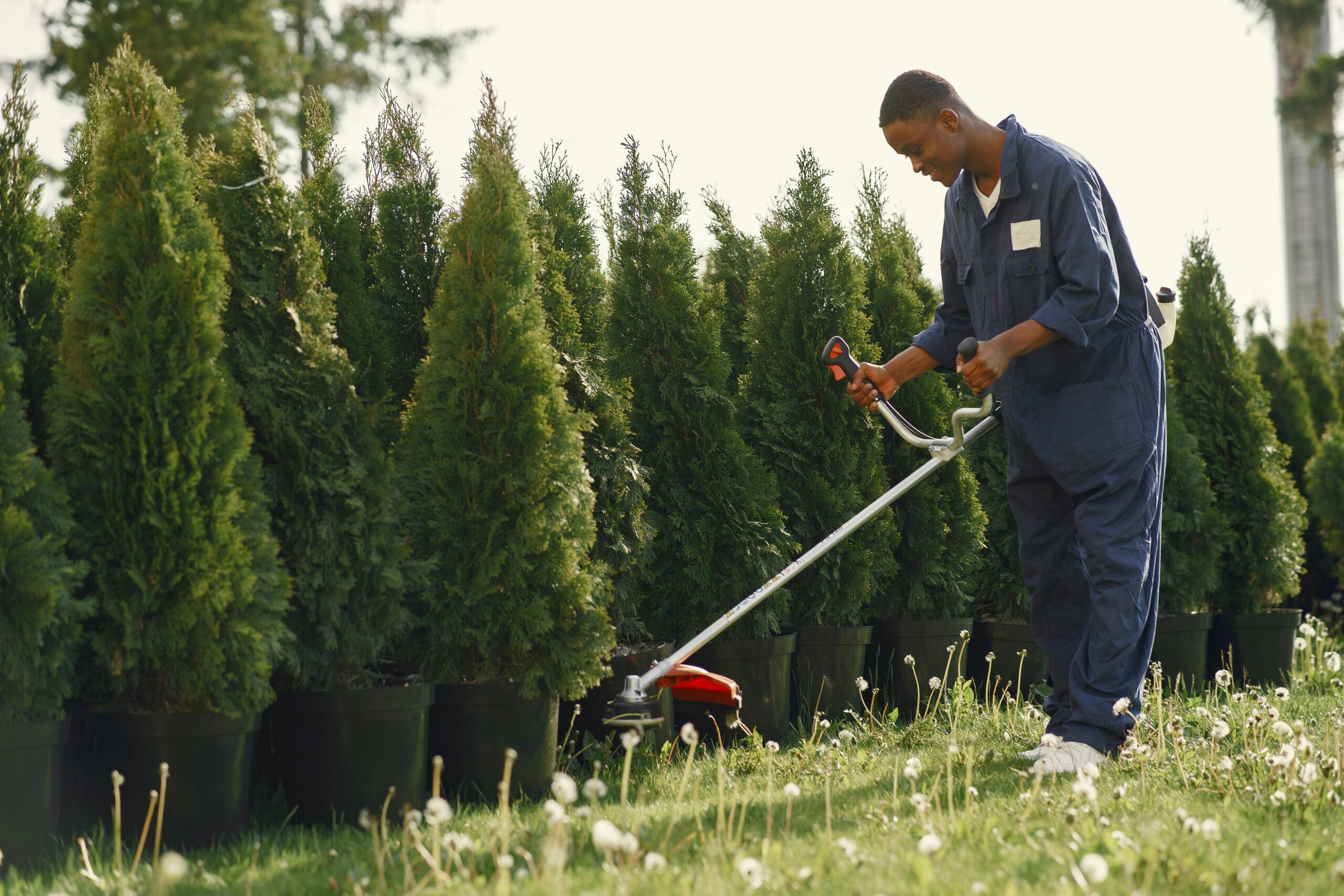
Imagine stepping into your backyard on a fresh spring morning, where your yard feels like a true extension of your home—a vibrant space for relaxation and memories. Maintaining a healthy yard requires more than occasional mowing or watering; it depends on intentional care, especially during the key transition seasons of spring and fall.
Spring and fall cleanup are essential for helping your lawn recover from winter dormancy and prepare for colder months ahead. Skipping these routines can lead to patchy grass, pest issues, fungal diseases, and nutrient deficiencies. Proper seasonal care ensures your yard not only survives but thrives.
Effective cleanup includes removing debris, aerating the lawn to improve root growth, preparing soil to boost fertility, and pruning plants to encourage healthy development. These steps strengthen your yard’s resilience and enhance its appearance year-round.
By committing to thoughtful spring and fall maintenance, you lay the groundwork for lush spring growth and vibrant autumn color. A healthier, more beautiful yard begins with smart seasonal cleanup.
Why a Healthy Yard Matters: The Foundation for a Vibrant Outdoor Space
Cultivating a healthy yard means nurturing more than grass and flowers—it means caring for a living ecosystem that supports soil vitality, plant health, biodiversity, and long-term sustainability. A truly healthy yard enhances curb appeal, strengthens environmental resilience, and can even increase property value. According to the National Association of Landscape Professionals, well-maintained landscapes can raise home values by up to 15%. Research from the University of Illinois also shows that yards with healthy soil and native plants can reduce water runoff by 30%, conserving valuable water resources.
A healthy yard is built through consistent, intentional care, especially during key transition seasons like spring and fall. These periods allow homeowners to reset their landscape—removing debris, aerating soil, pruning strategically, and addressing weeds or pests before they become larger issues. Seasonal cleanup is not just cosmetic; it improves soil structure, strengthens root systems, and encourages beneficial organisms that help plants thrive naturally.
Consider the experience of a homeowner who transformed a patchy, weed-filled yard into a lush, vibrant landscape simply by committing to proper seasonal maintenance. With aeration, pruning, and soil care performed at the right times, the yard regained density, attracted pollinators, and became a welcoming space for family gatherings.
Ultimately, maintaining a healthy yard is both a practical investment and a meaningful act of environmental stewardship. Each thoughtful action strengthens the ecosystem beneath your feet, ensuring your outdoor space remains resilient, beautiful, and full of life season after season.
How to Achieve a Healthy Yard Step by Step: Essential Cleanup Tips for Spring and Fall
Creating and maintaining a healthy yard is more than just a weekend chore, it’s a rewarding process that boosts curb appeal, promotes plant vitality, and enhances outdoor living spaces. To enjoy a lush, vibrant garden all year round, it’s crucial to master the art of seasonal cleanup with effective, step-by-step strategies. Here’s a detailed guide on how to apply essential spring and fall cleanup tips to transform your yard into a thriving, healthy outdoor haven.
Step 1: Clear Away Debris and Dead Plant Material
The foundation of a healthy yard begins with removing leaves, twigs, and dead foliage that accumulate during winter and autumn. These can harbor pests, mold, and diseases if left unchecked.
– Spring Cleanup: Use a sturdy rake or a leaf blower to gather dead leaves and leftover mulch. Dispose of diseased plants or debris carefully to prevent spreading pathogens.
– Fall Cleanup: Collect fallen leaves and dead stems after the first frost. Consider composting healthy material but discard anything diseased.
Example: Imagine your yard as a blank canvas; clearing debris is the crucial first stroke that prepares the soil for new growth.
Step 2: Prune Plants and Trees Properly
Pruning encourages stronger growth and helps maintain the shape and health of shrubs and trees.
– When to Prune: Late winter or early spring is best for most plants before new growth starts, while fall pruning is ideal for removing dead branches.
– How to Prune: Use clean, sharp pruning shears or loppers. Cut at a 45-degree angle just above a growth node to stimulate healthy shoots.
Step 3: Aerate the Soil for Better Root Health
Over time, soil becomes compacted, which restricts airflow, water penetration, and root expansion.
– Tool Options: Use a manual aerator or rent a spike aerator machine for larger lawns.
– Procedure: Aerate in early spring and again in fall to ensure that nutrients and oxygen reach the grassroots.
Step 4: Remove Weeds and Prevent Future Growth
Weeds rob your plants of essential nutrients and can quickly take over a yard.
– Manual Removal: Hand-pull weeds, making sure to extract roots.
– Preventative: Apply mulch generously around plants to suppress weed growth and retain moisture.
Step 5: Feed Your Yard with Fertilizers and Compost
Healthy soil builds a healthy yard. Supplement natural nutrients that might have washed away over the seasons.
– Spring Feeding: Use a balanced fertilizer rich in nitrogen to promote leafy green growth.
– Fall Feeding: Apply a fertilizer higher in phosphorus and potassium to strengthen root systems for winter.
Step 6: Inspect and Maintain Yard Equipment
Well-maintained tools make the cleanup process easier and more effective.
– Clean and Sharpen: After cleanup, wash dirt off your tools and sharpen blades.
– Storage: Store equipment in a dry place to prevent rust and damage.
—
Visual Example: Seasonal Yard Cleanup Checklist
| Task | Spring | Fall | Tools Needed |
|———————|——————–|———————|—————————–|
| Remove debris | Yes | Yes | Rake, leaf blower, gloves |
| Prune plants | Early spring | Late fall (dead branches only) | Pruning shears, loppers |
| Aerate soil | Yes | Yes | Manual aerator or machine |
| Weed removal | Yes | Yes | Gloves, weed puller |
| Fertilize | High nitrogen | High phosphorus & potassium | Fertilizer spreader |
| Equipment maintenance| Post-cleanup | Post-cleanup | Sharpener, cleaning brushes |
By following these structured steps every spring and fall, you ensure your yard doesn’t just survive but truly flourishes. Each action complements the next, whether it’s clearing away debris or enriching the soil, creating an interconnected cycle of care that breathes life and vibrancy into your outdoor space.
Remember, a healthy yard is a process, not a one-time event. Commit to these seasonal cleanup rituals, and watch your garden transform into a lush, thriving paradise all year long.
Tips for a Healthy Yard: Essential Spring and Fall Cleanup
✅ Rake Regularly: Remove leaves and debris to prevent mold growth and allow grass to breathe.
✅ Prune Dead Branches: Trim away dead or diseased branches to promote healthy tree and shrub growth.
✅ Aerate the Soil: Use a lawn aerator to improve air and water movement to roots, enhancing grass health.
✅ Mulch Beds: Apply fresh mulch to regulate soil temperature and retain moisture during seasonal changes.
✅ Clean Gutters: Clear out leaves and debris to prevent water backup and foundation damage.
✅ Fertilize Appropriately: Use seasonal fertilizers to give your plants the nutrients they need to thrive.
✅ Inspect for Pests: Check plants regularly to catch infestations early and protect your yard’s ecosystem.
✅ Compost Yard Waste: Recycle leaves and grass clippings into nutrient-rich compost instead of trashing them.
💡 Extra Tip: Schedule your cleanup activities on dry days to avoid soil compaction and ease waste collection.
Key Concepts
When we talk about a “healthy yard,” especially within the seasonal rhythms of spring and fall cleanup, we’re stepping into a world much deeper than just tidying up leaves or trimming edges. A healthy yard embodies a dynamic ecosystem, a living tapestry where soil, plants, air, and microorganisms interact to create vitality and resilience. Let’s unpack some essential ideas that reveal what truly makes a yard healthy, vibrant, and sustainable throughout the seasonal shifts.
The Soil: Foundation of Life Beneath the Grass
Imagine the soil as the living skin of your yard, an unseen yet profoundly active layer where life thrives in miniature universes. Healthy soil isn’t just dirt; it’s an intricate mixture of minerals, organic matter, bacteria, fungi, and tiny creatures. This complex network is akin to a bustling city, with microorganisms breaking down dead plant material, recycling nutrients, and supporting root health.
During spring and fall, the soil undergoes its own form of awakening or preparation. In spring, it’s like a fresh canvas, warming up and ready to nourish new growth. In fall, it’s transitioning into rest, recharging for the months ahead. Cleanup activities in these seasons complement this cycle by removing debris that could suffocate the soil or foster disease, thus allowing the “cityscape” beneath to function optimally.
Biodiversity: The Orchestra of Plant and Wildlife
A healthy yard flourishes not just through the grass and flowers we see but through a diverse cast of species, each playing a unique role, much like musicians in an orchestra. Native plants, for example, are the homegrown instruments tuned perfectly to local environmental conditions and wildlife needs.
This biodiversity fosters resilience. When one species struggles or falters, others can maintain balance. Seasonal cleanups help manage invasive species and debris that may choke out this delicate balance. Think of it as a conductor’s effort to keep the music harmonious, ensuring no single instrument dominates or damages the overall composition.
Seasonal Balance: Understanding Nature’s Rhythms
Spring and fall are pivotal moments in the yard’s annual lifecycle, bookends that set the stage for growth or dormancy. Just as an athlete must recover and train according to seasons, the yard’s ecosystem needs rest and rejuvenation timed carefully with the calendar.
Spring cleanups breathe life back into the yard, clearing winter’s residues much like clearing dust off a beloved instrument before a new performance. Conversely, fall cleanups prepare the yard for the quiet winter months, much like an artist protecting their tools from the cold, ensuring they remain in good condition for the next creative surge.
Water and Air: Invisible Lifelines
Healthy yards depend heavily on two invisible elements: water and air. The soil and plants act like sponges and lungs, absorbing water to transport nutrients and exchanging gases necessary for photosynthesis. Spring rains infuse new energy, while fall moisture helps settle the soil and encourage root growth before winter.
Cleanup processes that include removing thatch (the layer of dead grass and roots) enable better air exchange and water penetration. Imagine a clogged filter that prevents fresh air or water from reaching essential parts, cleaning ensures this filter remains clear, allowing the yard to breathe and hydrate freely.
The Role of Microorganisms: Nature’s Alchemists
Beneath every healthy yard, an unseen labor force works tirelessly: microorganisms. These tiny organisms perform alchemy by converting organic matter into nutrients plants can absorb, breaking down toxins, and fostering disease resistance. They are the quiet engineers maintaining soil structure and fertility.
Their activity fluctuates with the seasons, spring cleanup invigorates their habitat by removing debris that could harbor pathogens, while fall cleanup leaves behind organic matter that nourishes them during dormancy. The yard, in this sense, is a well-tended workshop where microscopic experts manage the foundation of health.
Physical Structure and Texture: The Yard’s Body Language
A yard’s appearance often signals its internal health. The texture of soil, the density of grass, and the sturdiness of plant stems tell a story much like body language in humans tells unspoken truths. Spring and fall cleanup activities influence these attributes by regulating compaction, thatch buildup, and debris accumulation.
For instance, overly compacted soil is like a rigid back, restricting movement and growth. Seasonal care that aerates soil and removes obstructions allows roots to spread and access nutrients more easily, promoting a vigorous and expressive yard full of life.
Connection to Climate and Environment: The Yard as a Mirror of Place
Every healthy yard is intrinsically linked to its local climate, weather patterns, and environmental context. It’s a mirror reflecting the unique conditions of its locale, adapting and thriving according to variables like temperature swings, precipitation cycles, and local wildlife.
Spring and fall cleanup respect this connection by tailoring interventions according to regional ecological rhythms. Instead of forcing plants or soil into unnatural conditions, the cleanup aligns with nature’s cues, clearing pathways for the natural transitions in light, temperature, and moisture that define these seasons.
A healthy yard is a living balance of soil, plants, and wildlife working in harmony. Spring and fall cleanup aren’t chores—they’re essential steps that restore, protect, and prepare your landscape for vibrant growth and lasting resilience.
Frequently Asked Questions about Healthy Yard: Essential Spring and Fall Cleanup Tips
❓ What are the most important spring cleanup tasks for a healthy yard?
Spring cleanup focuses on removing winter debris like dead leaves, branches, and thatch buildup. Raking thoroughly and aerating the soil help promote new grass growth and improve water absorption, setting a strong foundation for a vibrant yard.
❓ How does fall cleanup contribute to a healthy yard?
Fall cleanup prepares your yard for winter by clearing fallen leaves and debris that could harbor pests and diseases. It’s also the ideal time to trim back perennials, mulch, and fertilize, ensuring your lawn and plants survive cold months and thrive come spring.
❓ Can I skip cleanup and still have a healthy yard?
Skipping seasonal cleanup often leads to thatch accumulation, disease buildup, and poor soil health, which can stress plants and grass. Regular cleanup is essential to maintain a healthy yard and prevent costly damage in the long term.
❓ What tools are recommended for effective yard cleanup?
Using a sturdy rake, pruning shears, leaf blower or vacuum, and lawn aerator makes cleanup more efficient and thorough. Investing in quality tools can save time and ensure your yard looks its best throughout the year.
❓ How often should I perform yard cleanup for optimal health?
A thorough cleanup should be done at least twice a year, once in early spring and once in late fall. However, spot cleanup after storms or heavy leaf fall can keep your yard in peak condition year-round.