




Imagine walking through your garden as the leaves turn golden and the air crisps, only to find that your lush plants are struggling despite your best efforts. You water them regularly, but the results aren’t what you expect. What if the secret to thriving plants in these cooler months lies not just in watering more or less, but in mastering seasonal irrigation?
Seasonal irrigation, especially during autumn and winter, is a game-changer for gardeners, farmers, and landscapers alike. Unlike the straightforward watering routines of spring and summer, these colder months require a nuanced approach to water management. Overwatering can lead to root rot and fungal diseases, while underwatering stresses plants at a time when water needs subtly shift. This is where understanding and applying seasonal irrigation principles come into play.
In this article, you’ll learn how to optimize irrigation and drainage during autumn and winter to conserve water, promote healthy plant growth, and prevent common problems associated with improper watering. We’ll explore how changing temperatures, soil conditions, and plant dormancy impact water requirements and how to adjust your irrigation schedules accordingly. Additionally, you’ll discover practical drainage tips to avoid waterlogging, improve soil aeration, and maintain an environment where your plants can flourish despite the challenging season.
Whether you’re managing a home garden, a commercial farm, or a public landscape, mastering seasonal irrigation is a vital skill. By tailoring your water management strategies to the unique demands of autumn and winter, you won’t just maintain the health of your plants, you’ll enhance it and contribute to sustainable water use.
Stay with us as we dive into proven, actionable seasonal irrigation and drainage tips that will help you conserve resources and keep your plants resilient through the colder months. This is the irrigation insight you need for efficient water management when it matters most.
Why Seasonal Irrigation is More Important Than You Think
Seasonal irrigation is a vital practice that many farmers, gardeners, and landscape managers often overlook when thinking about water management , especially during the autumn and winter months. But understanding what seasonal irrigation entails and why it is crucial can transform the way we manage water resources, improve crop health, and promote sustainability.
What is Seasonal Irrigation?
Seasonal irrigation refers to the strategic adjustment of watering schedules and techniques according to the specific needs and conditions of different seasons. Unlike general irrigation methods that apply a one-size-fits-all approach year-round, seasonal irrigation recognizes that plants’ water requirements vary widely based on temperature, daylight hours, evaporation rates, and soil moisture levels.
During autumn and winter, plants typically need less water than in the growing season; however, this doesn’t mean irrigation should be entirely neglected. Properly timed irrigation helps maintain soil moisture, supports root health, and prevents stress caused by drought or waterlogging.
Why is Seasonal Irrigation Important?
Efficient seasonal irrigation is key to optimizing water use, especially as water scarcity becomes a growing global concern. According to the Food and Agriculture Organization (FAO), agriculture accounts for approximately 70% of global freshwater withdrawals, making it imperative to use water wisely. Seasonal irrigation focuses on applying the right amount of water at the right time, minimizing waste and environmental impact.
Poor water management during autumn and winter can lead to issues like waterlogging, which deprives roots of oxygen, or drought stress, which weakens plant immunity and yield. By adjusting irrigation practices seasonally, growers can reduce these risks and enhance crop resilience throughout the year.
Statistics underscore this: studies show that farms implementing seasonal irrigation schedules can reduce water usage by up to 30% while maintaining or even improving crop yields. This not only conserves precious water resources but also lowers costs for farmers, making their operations more sustainable and profitable.
A Practical Example: Autumn Irrigation Success
Consider the case of a vineyard in California’s Central Valley, a region known for its dry summers and cool, wet winters. The vineyard manager implemented a seasonal irrigation plan that reduced watering in late autumn and increased drainage efforts to prevent root rot caused by accumulated rainwater.
By monitoring soil moisture and weather patterns closely, they applied irrigation only when necessary, which conserved water during the rainy season. As a result, the vineyard saw healthier vines, fewer fungal diseases, and a 20% reduction in water use compared to the previous year. This success exemplifies how seasonal irrigation and drainage can align to boost efficiency and crop quality.
In summary, seasonal irrigation is far more than just another agricultural task, it is a strategic approach to water management that balances plant needs with environmental stewardship. As we move into autumn and winter, adopting these practices can make all the difference in safeguarding both our plants and natural water resources.
Tips for Seasonal Irrigation and Drainage in Autumn and Winter 🌧️💧
✅ Adjust Irrigation Schedules: Reduce watering frequency as temperatures drop to prevent overwatering and root rot.
✅ Inspect and Clean Drainage Systems: Clear leaves and debris from gutters and drains to avoid waterlogging.
✅ Monitor Soil Moisture: Use a soil moisture meter to ensure plants receive adequate water without excess.
✅ Mulch Plant Beds: Apply mulch to retain soil moisture and protect roots from temperature fluctuations.
✅ Check for Drainage Issues: Identify low spots where water pools and improve drainage with soil amendments or grading.
✅ Protect Irrigation Equipment: Drain and store hoses and sprinkler systems to prevent freeze damage.
✅ Use Rain Sensors: Install rain sensors to automatically pause irrigation when rainfall sufficiently waters your landscape.
✅ Plan for Plant Dormancy: Adjust watering for plants entering dormancy, reducing water needs while preventing stress.
💡 Extra tip: Winter watering is crucial during dry spells, water early in the day to minimize freeze risk and maximize absorption.
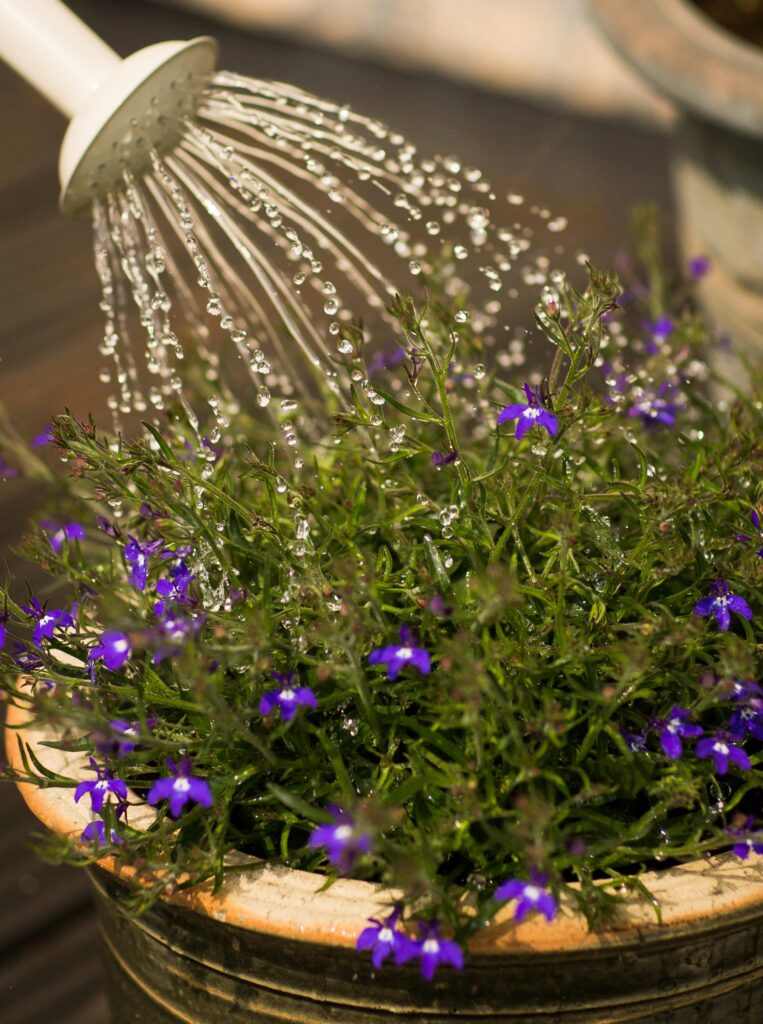
Key Concepts of Seasonal Irrigation
Seasonal irrigation, especially in the context of autumn and winter, represents a nuanced dance between water availability, plant needs, and climatic constraints. At its core, seasonal irrigation is not merely about delivering water to the soil; it is an orchestrated approach that adapts traditional irrigation principles to respond thoughtfully to the shifting demands of the colder seasons.
Understanding Seasonal Variability in Water Needs
Plants behave like finely tuned instruments, responding to the cues of their environment and altering their water uptake accordingly. As autumn ushers in cooler temperatures and shorter daylight hours, the transpiration rate, the process by which water evaporates from plant leaves, significantly diminishes. This natural slowdown acts as a signal: less water is being pulled from the roots, meaning that irrigation schedules must shift to avoid overwatering. Imagine a symphony where each instrument’s volume must be adjusted; watering becomes the quiet violin line rather than the vigorous drumbeat of summer.
In winter, this effect compounds. Roots enter a dormancy phase, significantly reducing water absorption. Cold soils hold moisture longer due to lower evaporation, creating a natural reservoir that irrigation must complement, rather than override. Over-irrigating during these months risks creating soggy conditions, which can suffocate roots or promote disease. Here, irrigation is akin to a careful custodian, ensuring water is sufficient to sustain life but never overwhelming the system.
The Relationship Between Soil, Water Retention, and Seasonal Temperature
Soil serves as the canvas upon which irrigation paints its effects. Its characteristics, texture, organic matter content, and structure, interact intimately with seasonal temperature variations to influence water retention and availability. In autumn, soil often remains warm enough to promote moderate microbial activity and nutrient cycling, facilitating plant uptake of water and nutrients; however, moisture from frequent rain or frost can saturate the soil, demanding attentiveness in irrigation planning.
Winter introduces another layer of complexity. Freezing temperatures can lead to soil structure changes as water within the soil expands and contracts. This freeze-thaw cycle impacts porosity and can hinder water infiltration. Seasonal irrigation must therefore navigate this delicate soil-water-plant interface, ensuring water delivery harmonizes with soil’s altered state due to frost, preventing excess runoff or waterlogging.
The Dance between Drainage and Irrigation in Cooler Seasons
Drainage and irrigation exist in a symbiotic balance, particularly pronounced in autumn and winter when precipitation generally increases. Effective drainage complements seasonal irrigation by removing excess water that cannot benefit the crop, preventing water potential imbalances in plant roots and soil anaerobiosis.
Visualizing the landscape as a complex plumbing system helps clarify this relationship. In autumn and winter, the incoming “rain taps” may run more consistently, and the “drain pipes” must be capable of channeling surplus water efficiently. Irrigation infrastructure, then, must be calibrated to respond not only to scarcity but also to the risk of surplus, ensuring water remains a resource, not a hazard.
Seasonal Irrigation as a Feedback Loop with Climate and Plant Physiology
At the heart of seasonal irrigation lies the concept of feedback loops, where environmental cues and plant physiological responses continually inform irrigation decisions. Cooler seasons act as natural regulators, prompting both the soil and plants to require less water, which in turn demands adjusted irrigation practices.
Think of it as a thermostat for a living house; seasonal irrigation modulates water input based on how “warm” or “cold” the plant system signals through growth rates and water uptake changes. This feedback, subtle yet critical, ensures water is neither a source of stress nor waste, but rather a carefully balanced nourishment aligned with seasonal rhythms.
Seasonal Irrigation’s Role in Sustainable Water Management
Beyond the direct interaction with plants and soil, seasonal irrigation plays a pivotal role in broader water management strategies. Autumn and winter mark periods of fluctuating water availability and varying demand, and intelligent seasonal irrigation helps safeguard reservoirs, reduce runoff pollution, and optimize water use efficiency.
In this way, seasonal irrigation is a sentinel of sustainability, a system that respects the cyclical nature of water in the environment, mirroring natural cycles rather than imposing rigid, one-size-fits-all approaches. It reinforces the principle that efficient water management is as much about timing and sensitivity as it is about volume.
Through these key concepts, seasonal irrigation transcends the simplistic idea of just watering crops; it embodies a dynamic interaction between climate, soil, plants, and human ingenuity. By appreciating these foundations, one gains insight into the artistry behind managing water wisely in autumn and winter, seasons often overlooked in irrigation discourse yet critical for long-term agricultural health and environmental stewardship.
Frequently Asked Questions about Seasonal Irrigation
❓ What is seasonal irrigation and why is it important in autumn and winter?
Seasonal irrigation refers to adjusting watering practices based on the specific needs of plants during different times of the year. In autumn and winter, plants typically require less water due to cooler temperatures and increased rainfall, so modifying irrigation helps conserve water and prevents overwatering.
❓ How can I adjust my irrigation system for autumn and winter?
Reduce the watering frequency and duration to match the lower water needs of plants during cooler months. Consider scheduling irrigation only when there has been little or no rainfall and monitor soil moisture regularly to avoid waterlogged conditions.
❓ What are the best drainage practices to prevent waterlogging in colder seasons?
Ensure that your landscape has proper grading to direct excess water away from plant roots. Clean out gutters and drainage channels to avoid blockages, and consider installing drainage solutions like French drains or dry wells if water tends to accumulate.
❓ Can I completely stop irrigation during winter months?
It depends on your local climate and plant types. In milder climates or for evergreens and newly planted vegetation, occasional irrigation may still be necessary. However, in colder regions with sufficient rainfall, irrigation can often be paused to save water.
❓ How does efficient seasonal irrigation benefit water management overall?
By adapting irrigation to seasonal needs, you reduce water waste, lower utility costs, and promote healthier plant growth. Efficient water management also helps protect local water resources and prevents issues like soil erosion or nutrient leaching associated with overwatering.