



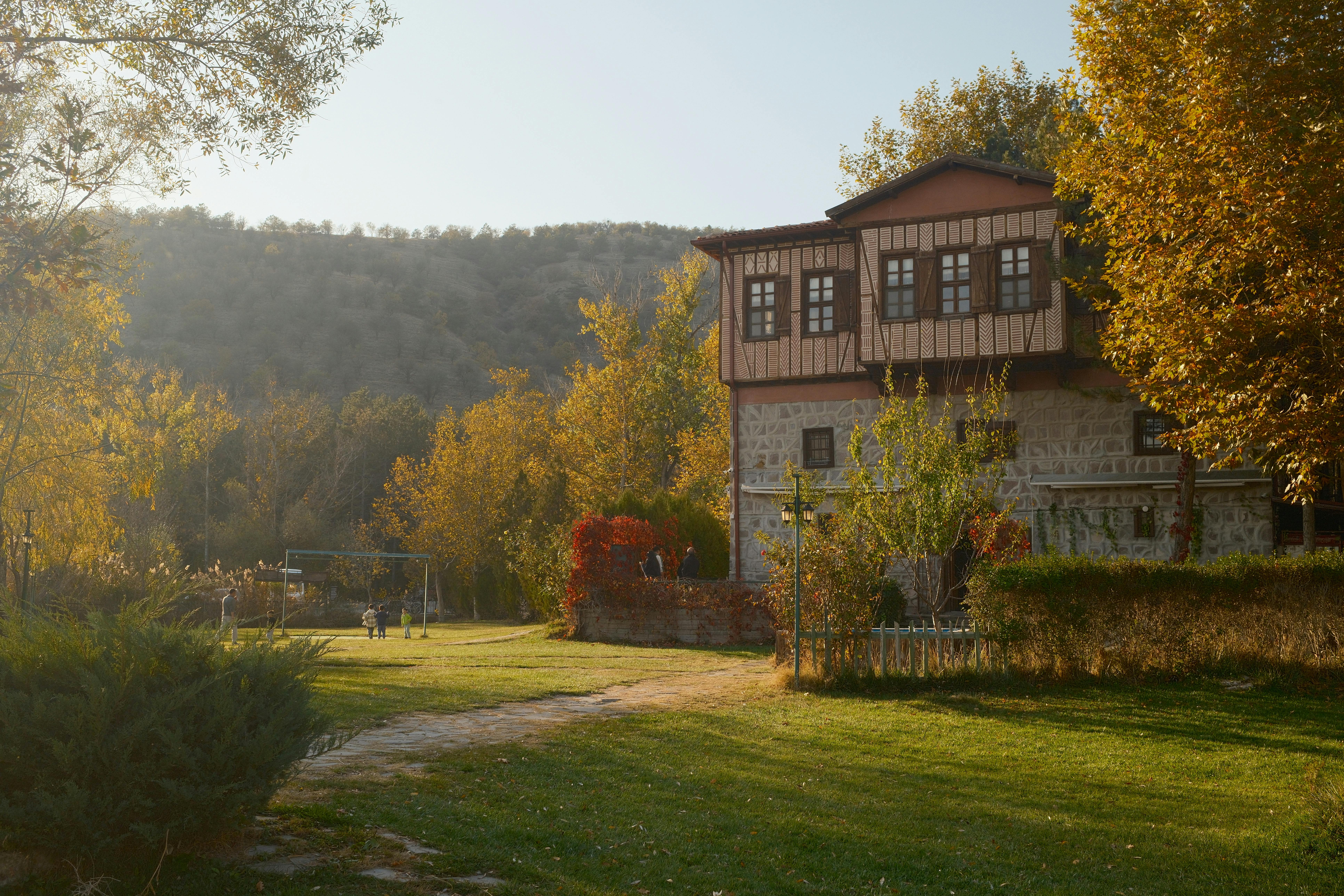
Imagine standing in your backyard on a crisp autumn morning, the smell of fallen leaves in the air and the first frost threatening to nip at your garden. Just last year, your lawn was struggling through the early cold snaps, leaving bare patches and dull grass where vibrant green once flourished. This season, you want a different story, a healthy, lush lawn ready to brave the chill and bloom again next spring. That’s where expert lawn care comes into play.
Lawn care is not just a summertime task reserved for mowing and watering, it’s a year-round commitment, especially crucial as the seasons shift. Preparing your lawn and garden for autumn’s cold can be the difference between a vibrant, resilient lawn and one that struggles to bounce back. In this article, you will learn practical lawn care techniques tailored for colder weather, ensuring your grass remains strong and your garden thrives despite the dropping temperatures.
We’ll dive into key lawn care strategies like aeration, fertilization, and proper watering adapted to autumn conditions. You’ll discover the importance of cleaning up leaves and debris, selecting the right grass seed for overseeding, and knowing when to stop mowing your lawn for the season. Plus, we’ll explore garden care essentials, how to protect delicate plants, prepare flower beds, and even the best practices for composting as leaves fall.
Whether you’re a seasoned gardener or a weekend warrior determined to cultivate a green sanctuary, mastering lawn care this autumn sets the foundation for a vibrant outdoor space all year long. By the end of this guide, you’ll have actionable tips and timeless advice to prepare for the chill of autumn with confidence.
Say goodbye to last year’s lawn woes and get ready for a season of smart, effective lawn care. Let’s embark on this autumn journey together, your lawn (and garden) will thank you for it.
Why Lawn Care is More Important Than You Think as Autumn Approaches
As the vibrant days of summer give way to the cooler, crisper air of autumn, maintaining a healthy lawn becomes more crucial than many people realize. Lawn care, often seen as a seasonal chore, is actually a foundational practice that ensures your outdoor space stays lush and resilient year-round. But what exactly is lawn care, and why should it command your attention especially as the chill of autumn sets in?
At its core, lawn care encompasses the variety of tasks and techniques aimed at nurturing your grass, soil, and surrounding garden to thrive in all seasons. From mowing and fertilizing to aerating and overseeding, each step plays an essential role in promoting strong root development and disease resistance. These efforts are particularly vital in autumn, when your lawn is preparing to enter a dormant state but needs ample nourishment and protection to survive the colder months and bounce back healthy in spring.
Statistically, lawns that receive consistent care during autumn are up to 50% more likely to resist weed infestation and fungal diseases the following year, according to a study by the National Turfgrass Federation. Moreover, lawns properly fertilized in the fall show improved color retention and density, providing a visually pleasing and sustainable landscape that enhances property value and outdoor enjoyment.
To illustrate the impact of dedicated lawn care, consider the story of the Jenkins family from Vermont. After neglecting their lawn for several summers, they faced patchy, weak grass by early autumn. Determined to restore their yard, they implemented a structured lawn care routine tailored for autumn, including aeration, overseeding, and slow-release fertilization. The result? By the following spring, their lawn had transformed into a lush, green carpet that became the envy of their neighborhood. What changed was not just the grass but the understanding that strategic lawn care during autumn sets the stage for long-term garden vitality.
In essence, lawn care is much more than a mundane task, it is a critical investment in the health and aesthetics of your property. As autumn’s chill arrives, embracing thoughtful lawn care techniques ensures your garden withstands seasonal challenges and flourishes year after year.
How to Apply Lawn Care Step by Step for a Healthy Autumn Lawn
As the warmth of summer fades and the crisp chill of autumn sets in, your lawn needs a tailored approach to ensure it thrives through the colder months. Applying lawn care techniques thoughtfully during this transitional season is vital to protect your grass and prepare it for winter rest. Here is a detailed, step-by-step guide on how to apply lawn care effectively this fall, helping you achieve a lush, resilient lawn ready to bounce back come spring.
Step 1: Conduct a Thorough Lawn Assessment
Before diving into any care routine, examine your lawn to understand its current condition. Look out for:
– Bare or thinning patches
– Presence of weeds
– Signs of disease or pest damage
– Soil compaction areas
This initial evaluation sets the stage for targeted action, making your lawn care efforts more effective.
Step 2: Clear Debris and Rake Leaves Promptly
Autumn brings falling leaves that can smother grass if left unattended, encouraging fungal diseases and moss growth.
– Use a rake or leaf blower to remove leaves regularly.
– Avoid letting leaves accumulate excessively, ideally, clear leaves weekly.
– Remove other debris like sticks and dead grass to maintain airflow.
By keeping your lawn clean, you allow sunlight and nutrients to reach the grass blades properly.
Step 3: Mow Your Lawn Appropriately
Adjust your mowing schedule and height during autumn to keep your lawn healthy:
– Gradually lower your mower blade height over several weeks, but never cut grass lower than around 2.5 to 3 inches.
– Continue regular mowing until grass stops growing significantly.
– Leaving the grass too long can invite disease; too short, and you risk stressing your lawn.
This balance in mowing height supports overall root and blade health during cooler weather.
Step 4: Aerate the Soil to Relieve Compaction
Change in foot traffic during holidays or wet conditions often leads to compacted soil, restricting root growth.
– Use a core aerator to remove plugs of soil about 2–3 inches deep.
– Aeration opens up pathways for oxygen, water, and nutrients.
– For large lawns, this is best done once in early to mid-autumn.
Regular aeration is a cornerstone of advanced lawn care, ensuring your grass stays vigorous beneath the surface.
Step 5: Apply Fertilizer for Root Development
Autumn fertilizer helps your lawn store energy for winter and promotes deep root development.
– Choose a slow-release fertilizer high in potassium and phosphorus but moderate in nitrogen.
– Spread fertilizer evenly using a broadcast or drop spreader to avoid patchiness.
– Water lightly after application to help nutrients soak into the soil.
Proper fertilization now sets your lawn up for a strong start in spring.
Step 6: Overseed to Fill Bare Spots and Improve Density
Cool-season grasses benefit significantly from overseeding in autumn.
– Select a grass seed blend compatible with your existing lawn type.
– After aerating and fertilizing, spread seed evenly over thin or bare areas.
– Lightly rake the soil surface to help seed-to-soil contact.
– Keep soil consistently moist during germination, roughly 2–3 weeks.
Overseeding is an excellent lawn care strategy to rejuvenate tired lawns and enhance turf density.
Step 7: Manage Weeds Before They Take Hold
Weeds often seize the opportunity in fall to establish roots before winter.
– Apply a pre-emergent herbicide to prevent weed seeds from sprouting.
– For visible weeds, use a selective post-emergent treatment appropriate for your grass type.
– Follow herbicide instructions carefully, especially regarding timing and watering restrictions.
Effective weed control gives your lawn a competitive edge and keeps it looking pristine.
Step 8: Adjust Watering Practices for Cooler Weather
Although rainfall might be more frequent, monitor your lawn’s moisture needs:
– Reduce watering frequency but ensure deep watering sessions to encourage root growth.
– Avoid waterlogging, which can lead to root rot or fungal diseases.
– Early morning watering is best to reduce evaporation and dry out grass blades before nightfall.
Tailoring watering habits is an integral part of smart lawn care during autumn.
Step 9: Prepare Lawn Equipment for Winter Storage
Caring for your tools ensures they’re ready for the next season and prolongs their lifespan.
– Clean mower blades and sharpen if necessary.
– Drain fuel or add fuel stabilizer to prevent gum buildup.
– Store equipment in a dry, sheltered location.
Well-maintained tools make spring lawn care much easier and more efficient.
Visual Guide: Autumn Lawn Care Checklist
| Task | Recommended Timing | Tools Needed |
| Lawn Assessment | Early Autumn | Gloves, lawn inspection kit|
| Leaf Raking | Weekly September–November| Rake, leaf blower |
| Mowing | Until grass growth slows | Lawn mower |
| Aeration | Early to mid-Autumn | Core aerator |
| Fertilizing | Mid to late Autumn | Fertilizer spreader |
| Overseeding | Mid-Autumn | Seed spreader, rake |
| Weed Control | Early Autumn | Herbicides, sprayer |
| Watering Adjustment | Throughout Autumn | Hose, sprinkler |
| Equipment Maintenance | Late Autumn | Cleaning supplies, tools |
Following this comprehensive, step-by-step lawn care approach during autumn not only protects your turf from the chill but ensures it’s primed for vigorous growth when the warmth returns. Embrace these smart practices, and watch your lawn transform into a vibrant, healthy sanctuary year-round.
Tips for Lawn Care: Lawn and Garden Care Tips to Prepare for the Chill of Autumn
🍂 Rake Leaves Regularly: Removing fallen leaves prevents mold and keeps your lawn healthy by allowing sunlight and air to reach the grass.
💧 Adjust Watering Schedule: As temperatures drop, reduce watering frequency but ensure deep watering to encourage strong root growth.
✂️ Mow Thoughtfully: Continue mowing, but gradually lower the blade height to about 2-2.5 inches to prepare grass for winter dormancy.
🌱 Fertilize with Autumn-Specific Nutrients: Use a fertilizer high in potassium to strengthen roots and increase resistance to cold stress.
🛠️ Aerate the Lawn: Aeration alleviates soil compaction, improving oxygen, water, and nutrient penetration, essential before winter sets in.
🌾 Overseed Bare Spots: Fill in thin or bare patches with cool-season grass seed to improve lawn density and resilience for next spring.
🌿 Control Weeds Early: Apply a pre-emergent herbicide to prevent weed seeds from germinating during the cooler months.
🧹 Clean Garden Beds: Remove dead plants and debris to prevent pests and diseases from overwintering in your garden.
💡 Extra Tip: Mulch is Your Friend: Add a layer of mulch around plants to regulate soil temperature and retain moisture during the chilly months.
By following these lawn care tips, your yard will be well-prepared to thrive when spring arrives, maintaining a lush and healthy look year-round.
Key Concepts of Lawn Care for Autumn Preparation
When delving into the world of lawn care, especially as the crisp breath of autumn settles in, understanding its fundamental principles is akin to appreciating a finely orchestrated symphony. Each note, or in this case, each practice and concept, plays a crucial role in cultivating a vibrant and resilient lawn that withstands the challenges ahead.
The Cycle of Seasonal Change and Lawn Dormancy
Imagine your lawn as a living organism performing a seasonal dance, responding to shifts in temperature, daylight hours, and moisture. In autumn, lawns enter a transitional phase, gradually slowing growth as they prepare for dormancy. This biological pause is nature’s way of preserving energy, much like how trees shed leaves to conserve resources during winter.
This concept of dormancy is central to effective lawn care. Understanding that the lawn’s metabolism is decreasing guides decisions on how to nurture it without pushing for aggressive growth, which would be counterproductive. The lawn is essentially settling into a form of rest, where maintenance must respect this natural slowdown rather than disrupt it.
Root System Fortification: The Hidden Foundation
One of the most profound yet often underestimated aspects of lawn care is the emphasis on root development during autumn. While the grass blades above ground may appear to be fading, beneath the surface, roots are delving deeper and spreading wider. This unseen activity resembles the quiet construction of a fortress foundation before winter’s onslaught.
A robust root system acts like an anchor and a stealth storage unit, absorbing nutrients and moisture vital for survival during the cold months. Strengthening roots in autumn prepares the lawn to endure icy winds and freezing soil. It highlights a fundamental lawn care truth: what happens beneath the surface is just as important as the surface aesthetics.
Soil Health: The Living Bedrock
Envision soil not merely as dirt but as a vibrant, living ecosystem, a bustling metropolis of microorganisms that work tirelessly in symbiosis with grass roots. Good lawn care embraces this perspective, recognizing soil health as the cornerstone of a flourishing lawn.
In autumn, soil conditions dictate the lawn’s ability to rebound in spring. The interplay of nutrients, pH balance, and organic matter creates an environment in which grass roots either thrive or struggle. Think of this relationship as a delicate dance between soil chemistry and biology; when balanced, it results in a lush, resilient turf.
The Role of Temperature and Moisture Dynamics
Temperature fluctuations and moisture availability are the conductors directing the pace of lawn growth and health. Autumn is marked by cooling temperatures and often increased precipitation, which have a dual impact.
Lower temperatures slow down enzymatic processes within grass cells, curtailing growth, while moisture can be a double-edged sword. Just as a gentle rain nourishes a garden, too much moisture combined with stagnant conditions might invite fungal diseases. Lawn care in autumn is thus about respecting these natural rhythms, balancing hydration wisely, and understanding the subtle cues the environment sends.
The Concept of Seasonal Nutrient Needs
Lawn care is not a one-size-fits-all endeavor; it is a dynamic relationship where the lawn’s nutritional demands ebb and flow with the seasons. Autumn introduces a shift from the aggressive nitrogen feeding typical of summer to a more balanced approach emphasizing potassium and phosphorus.
Potassium, often dubbed the “strengthening mineral,” enhances cold tolerance and disease resistance, while phosphorus supports root growth. This nuanced nutrient management is comparable to adjusting a recipe according to ingredient availability and desired flavor outcome, ensuring the lawn is fortified but not overstimulated during the slow-down phase.
The Psychological Aspect: Patience and Observation
Beyond the biological and chemical realities of lawn care, there exists a subtle psychological layer entailing patience and mindful observation. Tending to a lawn in autumn is an exercise in quiet stewardship, akin to a gardener watching a sculpture take shape over time.
Recognizing that results are not instant, but rather gradual, is fundamental. This mindset encourages a deeper connection to the living landscape, fostering attentiveness to subtle changes , the yellowing of blades, the softness of soil, or the encroachment of seasonal weeds , that signal when intervention or adjustment is needed.
Lawn Care as Environmental Stewardship
Lastly, lawn care in the autumn chill is an illustration of environmental respect and stewardship. A well-tended lawn can serve as a buffer, protecting soil from erosion, absorbing rainwater, and supporting biodiversity such as earthworms and beneficial microbes.
Thinking of lawn care within this broader ecological tapestry reveals a more profound responsibility and opportunity: to nurture a patch of earth that not only pleases the eye but contributes positively to the surrounding environment, even as days grow shorter and colder.
These key concepts of lawn care during the autumn months illuminate the intricate interplay of nature’s rhythms, biological processes, and thoughtful management. Approaching lawn maintenance with an understanding of dormancy, root health, soil vitality, seasonal nutrient shifts, and environmental mindfulness transforms it from a routine chore into an artful practice deeply attuned to the cycles of life.
Frequently Asked Questions about Lawn Care: Preparing Your Lawn and Garden for Autumn
Preparing your lawn and garden for the chill of autumn is essential to ensure they stay healthy and vibrant through the colder months. Here are some commonly asked questions about lawn care during this season, answered to help you get started on the right foot.
❓ Why is autumn the best time for lawn care?
Autumn offers cooler temperatures and increased rainfall, which help lawns recover from summer stress. This season encourages strong root growth, setting a solid foundation for a lush, green lawn in spring.
❓ What are the essential lawn care tasks to do in autumn?
Key tasks include raking fallen leaves to prevent mold, aerating the soil to improve nutrient absorption, overseeding bare spots, and applying a slow-release fertilizer to strengthen roots before winter.
❓ How often should I water my lawn during autumn?
Since autumn typically brings more natural rainfall, watering needs decrease. Aim to water only when the top inch of soil feels dry, generally once or twice a week, to avoid overwatering.
❓ Can I still mow my lawn as temperatures drop?
Yes, continue mowing your lawn as needed, but gradually lower the cutting height to prevent frost damage. Stop mowing once grass growth slows down and stops, usually when temperatures consistently remain below 50°F (10°C).
❓ What garden care tips should I follow in autumn to protect plants from frost?
Mulching around plants helps retain soil warmth and protects roots. Also, consider covering delicate plants with frost cloths on colder nights and pruning dead or damaged branches to encourage healthy regrowth in spring.
Taking these steps for autumn lawn care ensures your outdoor space remains healthy and ready to thrive when spring arrives. Remember, a little attention now saves you time and effort later!