



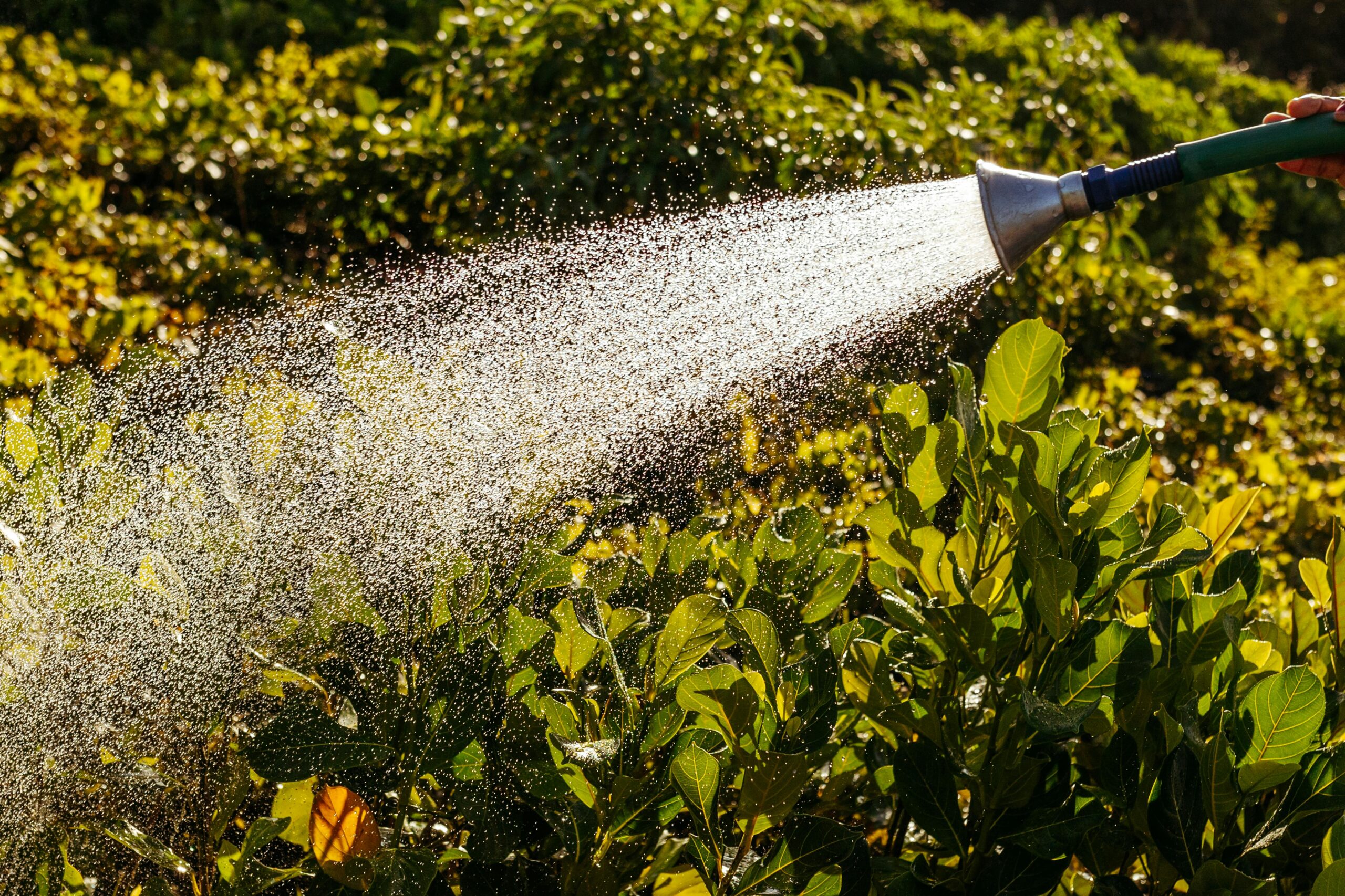
A healthy landscape depends on a delicate balance: plants need water during dry spells, but too much rain can be just as damaging. After a heavy storm, pooling water around garden beds can lead to root rot and soil erosion; during drought, inconsistent watering weakens plants and slows growth. With weather becoming increasingly unpredictable, mastering irrigation and drainage is no longer a luxury—it’s essential for building resilient outdoor spaces.
This article introduces advanced methods to help landscapes withstand both droughts and downpours. The core idea is precise water management: efficient irrigation delivers the right amount of water at the right time, reducing waste and supporting healthy soil; well-designed drainage prevents waterlogging, erosion, and damage to plants and hardscape features. Together, these systems create a more stable ecosystem and stronger, more resilient plantings.
You’ll learn how to apply smart irrigation solutions such as drip systems, soil moisture sensors, and automated scheduling to optimize water use. On the drainage side, the guide explores proven strategies like permeable pavements, French drains, and rain gardens to capture, filter, and redirect excess water away from vulnerable areas. It also explains how to connect these systems with weather data and forecasting tools so you can adjust watering proactively as conditions change.
By the end, you’ll have a clear understanding of how to design and maintain landscapes that don’t just survive uncertain weather—but thrive year-round—while saving water, protecting plants, and improving the beauty and function of your outdoor space.
Understanding Irrigation and Drainage: Foundations for Weather-Resilient Landscapes
In the journey toward cultivating lush, productive, and sustainable landscapes, two fundamental components stand out: irrigation and drainage. While often discussed separately, these interconnected systems form the backbone of landscape water management and are crucial to developing advanced irrigation and drainage strategies that can withstand the challenges presented by increasingly volatile weather patterns.
What is Irrigation and Drainage?
Irrigation refers to the artificial application of water to soil or land to assist in the growth of crops and plants. It’s an age-old practice that has evolved significantly, employing technologies from simple flood irrigation to highly sophisticated drip and automated sprinkler systems. On the flip side, drainage encompasses the removal of excess surface or subsurface water from soil through various systems like surface drains, subsurface tiles, or natural water flow patterns. Proper drainage prevents waterlogging, reduces soil erosion, and maintains optimal soil aeration essential for healthy root development.
Together, irrigation and drainage maintain the delicate balance of water availability. Too little water, and plants suffer from drought stress; too much, and they risk root rot and other diseases. Managing this equilibrium is more critical than ever as climate change brings greater unpredictability to rainfall patterns, drought frequency, and storm intensities.
Why Are They Important for Weather-Resilient Landscapes?
According to the Food and Agriculture Organization (FAO), approximately 70% of global freshwater withdrawals are used in agriculture, highlighting irrigation’s significant role. However, inefficient water management can lead to severe consequences such as soil salinity, water wastage, and reduced crop yields. Effective drainage systems are equally critical; studies have shown that areas with poor drainage can lose up to 40% of their agricultural productivity due to waterlogging.
Advanced irrigation and drainage strategies enable landscapes to adapt and thrive despite irregular weather. They allow for precise water delivery during dry spells and efficient removal during heavy rains, minimizing crop stress and maximizing growth. For example, integrating soil moisture sensors with automated irrigation can drastically reduce water usage while maintaining plant health, contributing to sustainability goals.
A Real-World Example: The Smart Farm Revolution
A smart farm in California’s Central Valley—an area prone to droughts and flash floods—shows how advanced water management boosts resilience. The farm paired drip irrigation with real-time weather forecasts and sensor data, then added an innovative subsurface drainage system to prevent waterlogging during heavy rains. Over three years, it cut water use by 35% and increased crop yields by 20%, even as weather conditions became more erratic. The example highlights that integrating modern irrigation and drainage isn’t just a trend—it’s essential for future-proof landscapes. When both systems work together, they protect plant health, conserve resources, and strengthen long-term sustainability.
How to Apply Irrigation and Drainage Step by Step for Weather-Resilient Landscapes
Creating a weather-resilient landscape requires a strategic approach to both irrigation and drainage. These two components work hand in hand to ensure that plants receive the right amount of water , not too much, not too little , while safeguarding the soil and surrounding structures from water-related damage. Below, you’ll find a comprehensive, step-by-step guide to applying advanced irrigation and drainage strategies that can help your landscape thrive under varying weather conditions.
Step 1: Assess Your Landscape and Soil Conditions
Before installing any irrigation or drainage systems, start with a thorough landscape assessment.
– Soil Type Identification: Determine whether your soil is sandy, loamy, or clay-heavy since soil texture affects water absorption and retention.
– Topography Analysis: Map out slopes, depressions, and flat areas. Water flows differently in each zone and affects drainage needs.
– Existing Vegetation: Identify plant species and their water requirements. Native, drought-tolerant species typically need less irrigation.
– Climate Patterns: Study recent weather data to understand rainfall frequency and intensity, temperature fluctuations, and drought risk.
Example: In a sandy soil area prone to drought, plants may require more frequent irrigation but also benefit from mulch to retain moisture.
Step 2: Design an Efficient Irrigation System
Designing an irrigation system tailored to your landscape’s unique needs is critical for water conservation and plant health.
– Choose the Right Irrigation Type: Consider drip irrigation for water-efficient, targeted delivery or pop-up sprinklers for larger, lawn areas.
– Segmented Zones: Divide your landscape into irrigation zones based on plant type and sun exposure. This allows customized watering schedules.
– Install Smart Controllers: Incorporate weather-based irrigation controllers that adjust watering times depending on real-time weather and soil moisture data.
– Use Pressure Regulators and Filters: Prevent system damage and ensure even water distribution by installing appropriate pressure regulation and filtration.
Graphic Idea: A diagram showing segmented irrigation zones in a landscape with different types of irrigation methods installed.
Step 3: Implement Advanced Drainage Solutions
Prevent excess water accumulation, which can lead to root rot, soil erosion, and structural damage.
– Surface Drainage: Utilize graded slopes, swales (shallow ditches), and permeable paving to guide excess water away from critical areas.
– Subsurface Drainage: Install French drains or perforated pipes below ground in areas with poor water infiltration.
– Rain Gardens and Bioswales: Incorporate these landscape features to capture runoff, filter pollutants, and promote groundwater recharge.
– Soil Amendments: Add organic matter or sand to improve soil structure and drainage capacity.
Example: Installing a French drain along a garden’s perimeter to redirect water away from plant beds vulnerable to waterlogging.
Step 4: Monitor and Adjust Regularly
Weather conditions and plant needs change, so ongoing evaluation is essential.
– Regular Inspection: Check irrigation heads for clogs or leaks and drainage channels for blockages after heavy rains.
– Use Soil Moisture Sensors: These devices help determine whether irrigation is necessary and prevent overwatering.
– Seasonal Adjustments: Modify irrigation schedules according to seasonal rainfall, temperature changes, and plant growth cycles.
– System Upgrades: Integrate emerging smart technology like IoT sensors or remote monitoring apps to enhance efficiency.
Step 5: Educate Yourself and Your Team
Understanding the principles and latest advances ensures sustainable care.
– Attend workshops or webinars on irrigation and drainage technologies.
– Follow local extension services for landscape irrigation guidelines adapted to your region.
– Collaborate with landscape architects or irrigation experts to fine-tune your system.

Illustrative Example: Transforming a Weather-Vulnerable Backyard
A backyard exposed to droughts and heavy rains struggled with plant stress in dry spells and waterlogging after storms. The homeowner mapped soil and slopes, spotting clay-heavy areas that held water, then divided the space into shaded beds, sunny lawn, and hardscape zones. They installed drip irrigation with smart controllers for precise watering and added soil moisture sensors to fine-tune schedules over time. To manage downpours, they built French drains in low spots to move runoff away and created rain gardens near downspouts to absorb excess water naturally. The result was a resilient yard that stays green during droughts and drains quickly after storms.
—
Advanced Irrigation and Drainage Strategies for Weather-Resilient Landscapes: Top Tips
When designing weather-resilient landscapes, mastering effective irrigation and drainage is essential. These strategies ensure your plants thrive despite unpredictable weather patterns, conserve water, and prevent damage from excessive moisture. Here are crucial tips to help you optimize your irrigation and drainage systems:
✅ Implement Smart Irrigation Controllers
Use weather-based smart controllers that adjust watering schedules based on real-time weather data. This prevents overwatering during rainy conditions and conserves water during dry spells.
✅ Design for Optimal Drainage Flow
Ensure your landscape grading directs excess water away from structures and low-lying planting areas. Proper slopes help avoid waterlogging and reduce soil erosion during heavy rains.
✅ Incorporate Rainwater Harvesting Systems
Collect and store rainwater from roofs or paved areas to supplement irrigation needs during droughts. This promotes sustainability and increases water availability when tap water is scarce.
✅ Use Permeable Surfaces to Improve Drainage
Incorporate permeable pavements and mulching to allow water infiltration and minimize runoff. This helps maintain soil moisture balance and reduces stormwater buildup.
✅ Select Drought-Resistant and Native Plants
Choose plants adapted to local climate conditions which require less frequent irrigation. Native species often tolerate varying moisture levels and improve landscape resilience.
✅ Regularly Maintain and Inspect Irrigation Infrastructure
Check for leaks, broken sprinkler heads, and clogged emitters. Well-maintained systems deliver water efficiently and reduce waste, ensuring healthy plant growth.
✅ Implement Subsurface Drainage Systems
Install French drains or perforated pipe systems below ground to remove excess water from saturated soils. This prevents root rot and keeps soil aerated during heavy rains.
✅ Leverage Soil Moisture Sensors for Precision Watering
Deploy soil moisture sensors to monitor real-time moisture levels and trigger irrigation only when necessary. This data-driven approach avoids water stress and aids resource conservation.
✅ Plan Seasonal Adjustments to Irrigation Schedules
Alter watering frequency and duration depending on seasonal precipitation trends. For example, reduce irrigation in the rainy season and increase it during drought-prone months.
💡 Extra Tip: Integrate Landscape and Irrigation Design
Work with landscape architects and irrigation specialists early in the planning to create a seamless system that balances aesthetics, plant health, and efficient water use under variable weather conditions.
—
By applying these advanced irrigation and drainage strategies, your landscape will not only flourish in the face of extreme weather but also use water resources wisely. This leads to beautiful, sustainable outdoor spaces that stand the test of time and climate variability.
Would you like me to expand on one of these tips with a storytelling example or data-backed insights?
Key Concepts
In the realm of Advanced Irrigation and Drainage Strategies for Weather-Resilient Landscapes, understanding the foundational principles of irrigation and drainage is akin to mastering the dual rhythms of nature’s pulse, one bringing life-giving water, the other removing excess that could drown vitality. These two elements form the backbone of any resilient landscape design that anticipates and adapts to the capricious moods of weather.
The Dance of Water: Irrigation as a Controlled Embrace
Irrigation is much more than the mere act of watering plants; it is a deliberate orchestration of water delivery to mimic natural rainfall patterns, calibrated to the specific needs of the terrain and vegetation. Imagine irrigation as the breath of a landscape, inhaling moisture at just the right moments to sustain life without drowning it. This controlled embrace requires an acute understanding of soil types, root behaviors, and evapotranspiration rates.
One can picture irrigation as a finely tuned symphony, where each drop counts. The goal is efficiency, getting water exactly where it’s needed, when it’s needed, and in the amount that the ecosystem can absorb without waste. This precision becomes the fulcrum upon which weather resilience balances. In periods of drought, the irrigation system serves as a lifeline, subtly compensating for nature’s scarcity without tipping the soil into saturation or encouraging disease.
Drainage: The Silent Sentinel
While irrigation lubricates life, drainage works quietly as a sentinel, warding off the perils of excess water. It channels away surplus rainfall or irrigation runoff that could otherwise stagnate and degrade soil structure. Drainage is often overlooked because its success lies in invisibility, when water flows away smoothly, the landscape thrives unimpeded, like a well-functioning circulatory system.
Imagine drainage as a landscape’s nervous system, sensing and redirecting harmful surges before they cause damage. Effective drainage preserves root health by preventing waterlogging and soil compaction, which would otherwise suffocate plant life. In weather extremes such as intense storms or prolonged wet seasons, drainage infrastructure becomes a critical line of defense, sculpting the landscape’s response to floods or standing water.
Interplay Between Irrigation and Drainage: A Balancing Act
The true artistry in weather-resilient landscapes lies in the balanced integration of irrigation and drainage. Think of these elements as the yin and yang of hydrology within the landscape ecosystem, both are essential and must be harmonized. Over-irrigation without adequate drainage can drown the roots; conversely, excessive drainage without sufficient irrigation may starve the soil of moisture.
This balance shapes how landscapes resist weather volatility. For example, technologies like smart irrigation systems use sensors to measure soil moisture and weather conditions, allowing water application tailored with pinpoint accuracy. Meanwhile, natural drainage solutions, such as bioswales or permeable pavements, mimic natural hydrological processes to absorb and channel water sustainably, rather than relying solely on artificial drains.

Soil as the Canvas for Water Management
Soil controls how well irrigation and drainage work. Each type behaves differently: sandy soils drain fast and hold little water, while clay soils retain moisture but drain poorly. Knowing this “soil personality” guides how much to water and how to design drainage. Soil health matters too—organic-rich, well-structured soil is more porous, improving infiltration and retention while reducing runoff and waterlogging. Effective water management must be rooted in soil science.
Weather Resilience Through Adaptive Hydrologic Design
Advanced irrigation and drainage answer today’s weather swings—droughts, sudden downpours, and temperature extremes. Think of a resilient landscape as a living organism: irrigation “feeds” plants during dry spells, while drainage removes harmful excess during storms. This adaptive hydrologic design relies on foresight and continuous response to environmental feedback, anticipating changing water availability so landscapes don’t just survive, but thrive.
Conclusion: Water as the Pulse of Resilience
Ultimately, irrigation and drainage are not mere mechanical operations but the essential language through which landscapes converse with water, interpreting scarcity and abundance alike. They are the rhythmic pulse that sustains life against the unpredictable cadence of weather, a testament to human ingenuity harnessing natural processes.
In Advanced Irrigation and Drainage Strategies, the vision transcends mere water management, the goal becomes crafting landscapes that embody resilience, sustainability, and harmony, flowing with the forces of nature rather than resisting them. Just as a masterful storyteller weaves plot and character, successful water management weaves irrigation and drainage into a cohesive saga of balance and endurance.
Frequently Asked Questions (FAQs) about Irrigation and Drainage in Weather-Resilient Landscapes
❓ What is the importance of irrigation and drainage in creating weather-resilient landscapes?
Irrigation and drainage are crucial for maintaining plant health and soil stability. Proper irrigation ensures crops and plants receive the right amount of water, while effective drainage prevents waterlogging and soil erosion, both essential for landscapes to withstand extreme weather events.
❓ How do advanced irrigation systems improve water efficiency?
Advanced irrigation systems, such as drip irrigation or smart controllers, deliver water directly to plant roots in precise amounts. These technologies reduce water waste, adapt to changing weather conditions, and enhance overall landscape resilience by preventing overwatering or drought stress.
❓ What role does drainage play in managing excess water during heavy rains?
Drainage systems help remove surplus water quickly and efficiently to prevent flooding and root damage. Well-designed drainage channels and subsurface drains protect the landscape by controlling water flow, minimizing soil erosion, and preserving the structural integrity of the terrain during intense rainfall.
❓ Can irrigation and drainage systems be integrated with weather data for better landscape management?
Yes, modern irrigation and drainage strategies often include integration with weather stations or sensors. This allows for dynamic adjustments based on real-time weather forecasts, ensuring optimal water use and better preparation for adverse weather events, increasing landscape resilience.
❓ Are there specific plants or crops that benefit more from advanced irrigation and drainage techniques?
While nearly all plants benefit, drought-sensitive crops and those prone to root diseases particularly gain from tailored irrigation and drainage. Advanced systems help maintain balanced soil moisture levels, supporting healthy growth and minimizing damage from both drought and excessive moisture.