




Maintaining a lush lawn and thriving garden in Maryland isn’t always easy. The state’s climate swings from hot, humid summers to cold, damp winters, and those shifts can leave homeowners dealing with wilted plants, patchy grass, frost damage, and persistent moisture issues. A beautiful yard year-round takes more than occasional watering or mowing—it requires planning and an approach tailored to Maryland’s unique weather patterns.
This guide explains how to care for both lawn and garden through every season. You’ll learn routines that help grass withstand summer heat, maintain healthy roots, and recover after overnight frosts. For garden beds, the focus is on managing soil moisture, preventing common pests, and supporting steady plant growth across changing conditions. The article also covers key seasonal tasks—mulching to protect roots and retain moisture, pruning to encourage healthy structure, fertilizing at the right times, and preparing beds so plants can handle winter dormancy and spring rebound.
Whether you’re an experienced gardener or just getting started, understanding Maryland’s seasonal rhythms and using proactive care strategies can transform your outdoor space into something resilient, colorful, and inviting. If you want reliable, practical guidance for keeping your lawn and garden healthy through humid summers and cold winters, this article is your roadmap to enjoying a thriving backyard all year long.
Why Year-Round Lawn and Garden Care Is Essential in Maryland’s Humid and Cold Climate
Lawn and garden care is more than just a weekend hobby or a seasonal chore; it’s a year-round commitment that requires understanding the unique challenges of your environment. In Maryland, where the climate swings dramatically from humid summers to cold, often harsh winters, maintaining a healthy lawn and vibrant garden demands consistent attention and specialized care strategies.
What Is Year-Round Lawn and Garden Care?
Year-round lawn and garden care encompasses the continuous practices and maintenance activities performed throughout all four seasons to ensure plants, grass, and soil remain healthy and resilient. This approach involves tasks such as soil preparation, fertilization, pest management, watering, pruning, and winterizing, tailored to the specific demands of each season.
Focusing on lawn and garden care all year is especially important in Maryland because the state experiences a humid subtropical climate in the summer and a continental climate in the winter. These fluctuations can stress plants and turfgrass, leading to issues like fungal diseases in the humid months and frost damage during winter.
Why Is Year-Round Lawn and Garden Care Important?
Ignoring lawn and garden care during any season can result in long-term damage that’s costly and time-consuming to fix. According to the University of Maryland Extension, proper seasonal care can improve lawn health by up to 30%, reduce pest infestations by 20%, and increase plant longevity.
Moreover, a well-cared-for lawn and garden contribute to local ecosystem health by supporting beneficial insects, improving air quality, and reducing soil erosion. For many homeowners, a lush green lawn and flourishing garden also enhance curb appeal and property value.
The Science Behind Maryland’s Climate Challenges
Maryland’s summer humidity often exceeds 70%, creating an ideal environment for mold, mildew, and fungal infections in lawns and gardens. In contrast, winter temperatures can drop below freezing for weeks. Frost can cause cellular damage in plants, while freeze-thaw cycles can impact soil structure, leading to poor drainage and root suffocation.
A Real-Life Success Story
Take the example of the Thompson family from Montgomery County, Maryland. For years, they struggled with patchy grass and garden plants that didn’t survive winter. After adopting a year-round lawn and garden care routine tailored for Maryland’s specific climate , including fall aeration, winter mulching, and timely spring fertilization , their outdoor space transformed dramatically. They now enjoy a thick, resilient lawn and a garden brimming with native plants that support local pollinators year-round.
Their experience highlights how understanding and responding to the seasonal needs of Maryland’s unique climate can lead to rewarding results without needing to replace plants or reseed repeatedly.
—
By embracing year-round lawn and garden care in Maryland, homeowners not only protect their outdoor spaces against the challenges posed by humid summers and cold winters but also create beautiful, sustainable environments that thrive in every season. Next, we’ll explore practical tips and seasonal strategies to help you achieve your own year-round success.
How to Apply Lawn and Garden Care Step by Step in Maryland’s Humid and Cold Climate
When it comes to maintaining a lush, healthy lawn and vibrant garden in Maryland’s unique humid and cold climate, a strategic, year-round approach is essential. The combination of hot, humid summers and chilly winters can be tough on grass, plants, and soil. By following these carefully crafted steps for lawn and garden care, you can nurture your outdoor space throughout the year and enjoy its beauty every season.
1. Assess Your Lawn and Garden Needs Seasonally
Before diving into any maintenance routine, it’s important to understand the specific needs of your lawn and garden at different times of the year.
– Spring: Focus on repair and preparation , remove winter debris, aerate soil, and prepare for planting.
– Summer: Prioritize watering and pest control due to heat and humidity challenges.
– Fall: Prepare the lawn for dormancy and plant seasonal flowers or cover crops.
– Winter: Protect roots and plants from frost and limit foot traffic on frozen grass.
2. Test and Improve Your Soil
Healthy soil is the foundation of any thriving lawn and garden. Maryland’s humid climate can lead to soil compaction and nutrient depletion.
– Conduct a Soil Test: You can buy test kits at garden centers or send samples to your local extension office to check pH and nutrient levels.
– Adjust Soil pH: Maryland soils often trend slightly acidic (pH 5.5-6.5). Use lime to raise pH or sulfur to lower it as needed.
– Add Organic Matter: Amend soil with compost or well-rotted manure to improve texture and fertility.
3. Lawn Maintenance Through the Seasons
Maintaining your lawn requires attention adjusted to the climate and seasonal changes.
– Spring Lawn Care:
– Rake and Dethatch: Clean up dead grass and leaves to prevent mold.
– Aerate: Use a lawn aerator to relieve soil compaction, especially in clay-heavy areas common in Maryland.
– Overseed: Fill bare spots with grass seed suited for cold and humid environments, such as Kentucky bluegrass or tall fescue.
– Apply Fertilizer: Use a balanced fertilizer to boost spring growth but avoid overfeeding to prevent disease.
– Summer Lawn Care:
– Water Wisely: Deep, infrequent watering is best to encourage deep root growth. Early morning watering reduces evaporation.
– Mow Correctly: Set your mower blades higher (3-4 inches) to shade roots and preserve moisture.
– Monitor Pests: Look for signs of grubs, chinch bugs, or fungal diseases, common in humid conditions.
– Fall Lawn Care:
– Fertilize Again: A fall application rich in potassium strengthens turf for winter.
– Leaf Management: Regularly remove leaves to prevent suffocation and disease.
– Final Overseeding: Give your lawn a final overseed to fill in thin areas before winter.
– Winter Lawn Care:
– Limit Traffic: Avoid walking on frozen grass to prevent damage.
– Equipment Maintenance: Sharpen mower blades and service tools to prepare for spring.
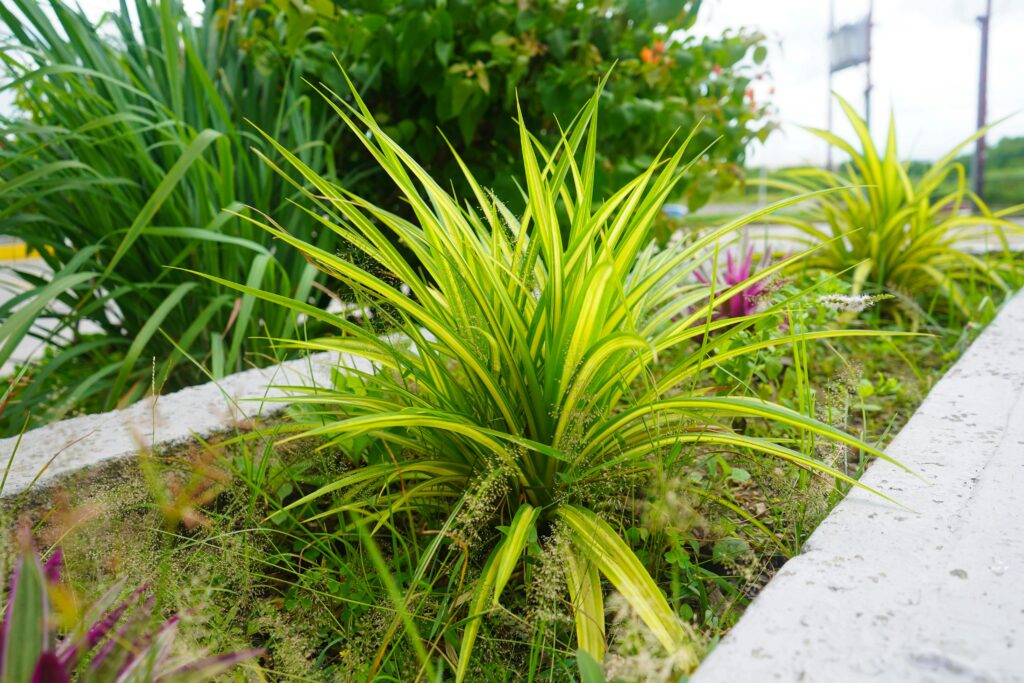
4. Garden Planting Tips for Maryland’s Climate
Choosing the right plants and caring for them appropriately can make your garden thrive despite temperature swings and humidity.
– Choose Native and Adapted Plants: Maryland natives like Black-eyed Susans, Eastern Redbuds, and Switchgrass tolerate humidity and cold well.
– Plant Timing: Most planting is best done in spring or early fall to avoid summer heat stress and winter frost.
– Mulch for Moisture Control: Apply a 2-3 inch layer of organic mulch to help retain soil moisture and regulate temperature.
– Watering Schedule: Adjust watering frequency based on weather; humid summers may require less watering than dry spells, but consistent moisture is key during establishment.
– Integrated Pest Management: Use natural predators and spot treatments rather than widespread chemical pesticides to maintain ecological balance.
5. Pest and Disease Management Specific to Maryland
Because Maryland’s humid climate can foster fungal diseases and pest infestations, vigilance is required.
– Common Issues: Watch for brown patch fungus, powdery mildew, and spider mites.
– Preventative Steps: Ensure proper spacing for airflow, water in the morning, and avoid excessive nitrogen fertilizer.
– Organic Control Options: Neem oil, insecticidal soap, and beneficial insects can help manage problems without harming beneficial organisms.
6. Use Technology and Resources to Your Advantage
– Smart Irrigation Systems: Consider installing drip irrigation or sprinkler systems with timers and moisture sensors.
– Local Extension Services: The University of Maryland Extension offers valuable resources, workshops, and soil testing services tailored for the region.
– Digital Apps: Lawn care apps can send reminders for fertilization, watering, and pest monitoring.
—
Visual Example: Seasonal Lawn Care Calendar for Maryland
| Season | Key Tasks | Tools Needed |
|——–|———————————————|—————————-|
| Spring | Aerate, overseed, fertilize | Aerator, seed spreader, rake|
| Summer | Deep watering, mow high, pest monitoring | Sprinkler, mower, insect traps |
| Fall | Fertilize, leaf removal, final overseed | Fertilizer spreader, rake |
| Winter | Limit lawn traffic, prepare equipment | Outdoor mats, tool maintenance kit |
Image: [Insert image of Maryland lawn transformation across the four seasons]
—
By applying these steps thoughtfully, tailored to Maryland’s humid and cold climate, your lawn and garden will not just survive, they’ll thrive! Consistent attention combined with seasonal adjustments ensures a green oasis in your yard year-round. Remember, lawn and garden care is a journey, not just a single task, and patience paired with knowledge leads to the best results.
Tips for Year-Round Lawn and Garden Care in Maryland’s Humid and Cold Climate:
✅ Mow Smartly During Growing Seasons: Keep your grass at the right height (about 3 inches) to encourage deep root growth and reduce weed invasion during Maryland’s humid, warm months.
❄️ Prepare for Winter Early: Rake up leaves and debris before winter to prevent fungal diseases that thrive in humid conditions and cold, damp weather.
💧 Water Wisely in Summer: Water your lawn and garden early in the morning to minimize evaporation. In Maryland’s humid climate, focus on deep, infrequent watering to strengthen plants without overwatering.
🌱 Choose Native and Cold-Hardy Plants: Select species suited to Maryland’s climate to ensure better resistance to cold winters and humidity-related pests.
🧹 Clean and Maintain Tools Year-Round: Regularly clean garden tools to avoid spreading diseases caused by humidity; sharpen blades before winter to be ready for spring.
🪴 Mulch for Moisture and Temperature Control: Apply mulch around plants to retain soil moisture in humid summers and protect roots from freezing in winter.
🌿 Aerate Your Lawn in Fall: Combat soil compaction caused by Maryland’s heavy rains by aerating the lawn in early fall, promoting oxygen flow and nutrient absorption.
🌞 Monitor for Pests and Diseases Monthly: Maryland’s humid conditions can encourage fungal infections and pests; early detection and treatment keep your lawn healthy year-round.
💡 Extra Tip: Incorporate organic compost annually to improve soil structure, support beneficial microbes, and boost nutrient availability despite Maryland’s challenging climate.
Following these tips tailored to Maryland’s unique weather will keep your lawn and garden lush, healthy, and resilient all year long.
Key Concepts
Understanding the essence of lawn and garden care within the context of Maryland’s unique climate requires a journey into the interplay between environment, plant biology, and seasonal rhythm. Maryland’s humid summers and cold winters shape a delicate ballet that gardeners and homeowners must respect to nurture a thriving outdoor space year-round.

The Climate as a Living Script
Imagine the climate not just as weather but as a script that guides the performance of every blade of grass and leaf. Maryland’s humid summers act as an extended, often passionate overture, where lush growth is fueled by abundant moisture and warmth. Conversely, the cold winters bring a period of dormancy, a quiet intermission where growth slows or halts, conserving energy for the next cycle.
This climatic duality demands that lawn and garden care becomes a responsive dialogue rather than a fixed regimen. The soil breathes under layers of frost, plants adapt by entering states of rest, and microbial life slows, yet all activity is tracked by the subtle meter of temperature and moisture.
Soil: The Hidden Foundation
Beneath every green lawn and blooming garden lies the unsung hero, soil. In Maryland’s climate, soil is both a reservoir and a battlefield. It stores moisture through humid summers, while in winter, it must drain effectively to prevent waterlogging and root rot during thaw cycles. The texture and composition of soil influence nutrient availability and aeration, fundamental for plant health and resilience.
Think of soil as a living mosaic, packed with an army of microorganisms, bacteria, fungi, earthworms, that work tirelessly to convert organic matter into nourishment. Their activity fluctuates with temperature and moisture, revealing a dynamic world beneath the surface that is just as influential on lawn vitality as visible care practices.
Seasonal Transitions: Nature’s Pulse
Year-round lawn and garden care in Maryland hinges on mastering the subtle art of responding to seasonal transitions rather than battling them. Each season brings a characteristic chapter in the story of growth:
– Spring’s Awakening: Plants emerge from dormancy like characters stepping into the light, roots extend seeking nutrients, and microbial activity surges. This phase is ripe with potential but also vulnerable to late frosts.
– Summer’s Flourish: The period of vigorous photosynthesis and growth, powered by plentiful sunlight and humidity. However, high temperatures combined with humidity can stress plants, inviting diseases or pests, a complex biological dance.
– Autumn’s Preparation: Leaves shift colors and fall, signaling a reallocation of resources. Roots continue to develop, storing energy for winter. The soil begins cooling, slowing microbial functions.
– Winter’s Rest: Above-ground life seems paused under frost or snow, but roots and soil organisms maintain a slow, steady pulse of life beneath the surface.
Envision this cycle as a classical symphony with movements that vary in tempo and intensity. The success of lawn and garden care is in tuning into these natural rhythms, allowing interventions to harmonize rather than disrupt.
Plant Adaptation and Selection
A deeper appreciation of lawn and garden care in Maryland involves recognizing plants as adaptable protagonists in this climatic story. Plants differ widely in their tolerance to humidity, cold, and soil conditions. Native species, having evolved with Maryland’s climate, often exhibit remarkable resilience, like seasoned actors well-versed in the dialect of humidity and frost.
Selecting and encouraging these plants fosters an ecosystem that requires less artificial manipulation. It’s akin to casting performers who excel naturally in their roles, reducing the need for constant direction.
Water: The Great Balancer
Water, a fundamental resource, behaves differently in Maryland’s humid conditions. The summer humidity means that evaporation rates can be lower than in drier climates, yet excessive moisture may linger longer in soil and foliage, sometimes turning nurturing rain into a vector for fungal diseases.
Conversely, winter water dynamics shift, frozen ground can rapidly change moisture availability when thawing occurs. This irregularity challenges the gardener’s understanding of water as a static element and demands observing it as a fluid and sometimes unpredictable player.
The Microclimate Effect
Microclimates within a single Maryland property can vary dramatically, areas shielded by trees, slopes that face the sun, or shaded corners near structures each tell their own environmental story. These subtleties profoundly affect how lawn and garden care should be perceived: the garden is not a single setting, but a mosaic of microcosms.
Envision a Maryland yard as a patchwork quilt made up of miniature climates, each with its own humidity, sunlight, and temperature patterns. Successful care attends to these fine gradations rather than applying broad strokes.
Pest and Disease Dynamics in a Humid-Cold Context
Humidity and cold create a complex stage for pests and diseases. Moist conditions encourage fungal pathogens and mold, while cold winters may reduce populations of certain pests by interrupting their life cycles. However, some insects and diseases have adapted to overwinter in protective niches or dormant states.
Understanding these dynamics is akin to studying antagonists in a plot, knowing their habits, strengths, and vulnerabilities can alter the narrative of garden health profoundly.
The Ecological Web
Finally, lawn and garden care transcends the cultivated plants themselves; it involves the entire ecological web, the pollinators, soil fauna, birds, and even small mammals that interact within this space. The Maryland climate shapes these relationships, influencing the timing of pollinator visits or the activity patterns of beneficial insects.
Understanding care within this wide ecological context invites a narrative that embraces complexity and interdependence, where maintaining balance echoes poetic harmony rather than mechanical maintenance.
—
In sum, year-round lawn and garden care in Maryland’s humid and cold climate is much more than a set of tasks, it is an immersive narrative shaped by climate rhythms, biological adaptation, and ecological interrelations. Cultivating this perspective enriches the experience and outcome, revealing the garden as a living story continuously written with each season’s turn.
Frequently Asked Questions (FAQs) about Lawn and Garden Care: Year-Round Lawn and Garden Care in Maryland’s Humid and Cold Climate
❓ How can I maintain a healthy lawn throughout Maryland’s humid and cold climate?
To keep your lawn healthy year-round in Maryland’s challenging weather, focus on seasonal care. In spring and summer, prioritize watering early in the morning and mowing regularly but not too short. During fall, aerate and overseed to repair damage, and in winter, avoid heavy foot traffic on dormant grass to prevent damage. Adjusting care to Maryland’s humidity and cold spells ensures a resilient lawn.
❓ What are the best plants for a Maryland garden that can withstand humidity and cold winters?
Native plants and hardy perennials such as Black-eyed Susans, Hostas, and Coneflowers thrive in Maryland’s climate. Consider shrubs like Azaleas and Rhododendrons, which handle humidity and withstand frosty winters. Selecting plants suited to local conditions reduces maintenance and enhances garden longevity.
❓ When is the ideal time to fertilize my lawn in Maryland?
Fertilize your Maryland lawn in early spring and again in early fall. Spring fertilization encourages growth after winter dormancy, while fall fertilization strengthens roots before the cold sets in. Avoid fertilizing in mid-summer to prevent stressing the grass during hot, humid conditions.
❓ How do I prevent common lawn diseases caused by humidity in Maryland?
To minimize lawn diseases, ensure proper mowing height to improve air circulation, water lawns early to reduce leaf wetness overnight, and avoid overwatering. Incorporate fungicide treatments as needed and keep the lawn free of debris that can trap moisture, which fosters disease development in humid climates.
❓ What are the best practices for garden care during Maryland’s winter months?
In Maryland’s cold winters, protect your garden by mulching around plant bases to insulate roots, pruning dead branches to prevent disease, and using covers to shield sensitive plants from frost. Avoid walking on frozen lawns to prevent damage. Planning winter care appropriately helps sustain garden vitality year-round.
By addressing these common questions, you can master year-round lawn and garden care tailored to Maryland’s distinctive humid and cold climate. This knowledge equips you to nurture a thriving outdoor space through every season.