



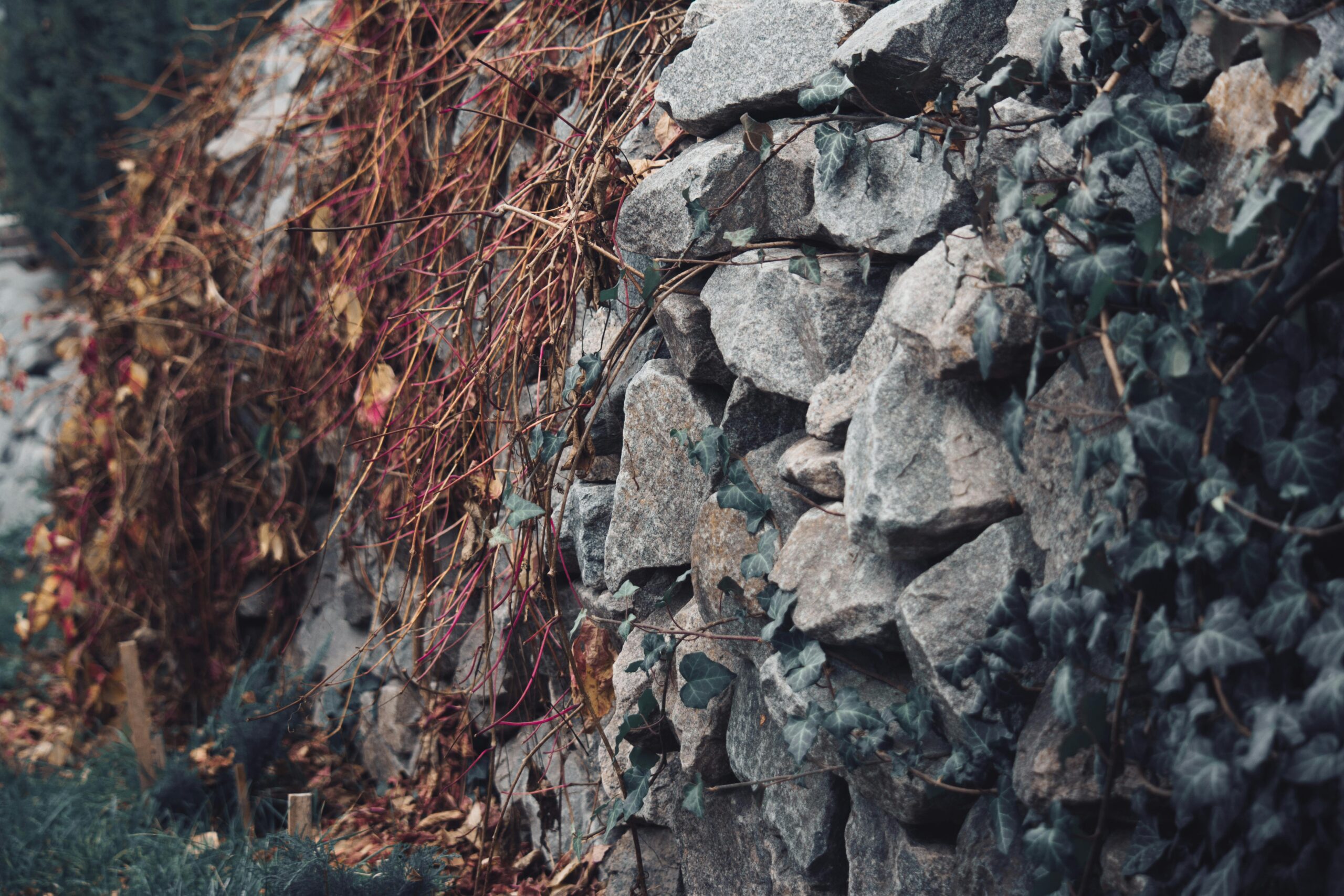
Sustainable stone and hardscaping can transform an outdoor space into a beautiful, long-lasting haven that also respects the planet. Instead of relying on resource-intensive materials and methods, sustainable hardscaping focuses on durability, eco-friendly sourcing, and harmony with the surrounding landscape—ideal for homeowners and professionals who want responsible design without sacrificing style.
This article explains what sustainable stone and hardscaping mean, why they matter, and how to apply them in real projects. It covers smart choices like reclaimed or responsibly sourced stone, permeable pavers, and drainage-friendly designs that reduce runoff, erosion, and long-term maintenance. Because traditional renovations can create waste and consume non-renewable resources, sustainable options help lower environmental impact while increasing longevity—fewer repairs, fewer replacements, and less resource use over time.
Whether you’re planning a garden path, patio, or entryway, these strategies help you build outdoor features that perform well in your climate, look great, and age gracefully. By the end, you’ll have practical guidance and inspiration to create hardscapes that elevate your landscape and support a more sustainable future.
Why Sustainable Stone and Hardscaping Are More Important Than You Think
Sustainable stone and hardscaping have become far more than a passing trend—they are a practical, responsible way to build outdoor spaces that last while reducing environmental impact. In simple terms, sustainable hardscaping means using natural, durable materials and eco-conscious methods to create patios, walkways, retaining walls, and garden borders. Unlike traditional approaches that often depend on highly processed products or non-renewable resources, sustainable choices prioritize lower waste, smaller carbon footprints, and materials that perform well for years without constant replacement.
This matters because outdoor spaces are not only decorative; they are places to gather, relax, and connect with nature over long periods of time. When hardscapes fail early, they require repairs, replacements, and new materials—creating more waste and emissions. A 2022 EPA report notes that construction and landscaping contribute about 39% of CO₂ emissions in the built environment, which highlights how material selection and construction practices can make a real difference. Thoughtful sustainable hardscaping can help reduce emissions by extending the life of installations, sourcing materials locally to cut transportation impacts, and choosing stone that requires less intensive processing.
A real-world example is the GreenScape Residence in Portland, Oregon, where an outdoor redesign used sustainably sourced local stone and permeable pavers to manage stormwater more naturally. The project reduced runoff and transport emissions, and the homeowners reported a 40% drop in maintenance costs over three years compared with their previous concrete and asphalt setup—showing that durability and sustainability can work together.
Overall, sustainable stone and hardscaping are reshaping outdoor design by creating spaces that are beautiful, resilient, and environmentally smarter, helping ensure landscapes remain enjoyable for future generations.
Tips for Sustainable Stone and Hardscaping for Long-Lasting Outdoor Spaces:
✅ Choose Locally Sourced Stone: Using stone from nearby quarries reduces transportation emissions and supports local businesses.
✅ Opt for Natural, Untreated Materials: Avoid chemically treated stones to minimize environmental impact and ensure safety for your garden.
✅ Incorporate Permeable Pavers: These allow water to seep through, reducing runoff and promoting groundwater recharge.
✅ Design for Durability: Select hardscaping materials known for longevity to avoid frequent replacements and waste.
✅ Plan for Minimal Soil Disturbance: Preserve existing soil and vegetation to maintain ecosystem health during installation.
✅ Reuse and Recycle Materials: Salvage stones from old projects or demolished structures to give new life to materials.
✅ Utilize Native Plants Around Hardscape: Pair stone features with native vegetation to support local wildlife and reduce maintenance.
✅ Implement Proper Drainage Solutions: Ensure your design manages water efficiently to prevent erosion and stone damage.
💡 Extra Tip: Regular maintenance, like sealing and cleaning stones appropriately, extends the lifespan of your hardscape sustainably.
By integrating these sustainable stone and hardscaping practices, you create outdoor spaces that are not only beautiful and durable but also kind to the planet.
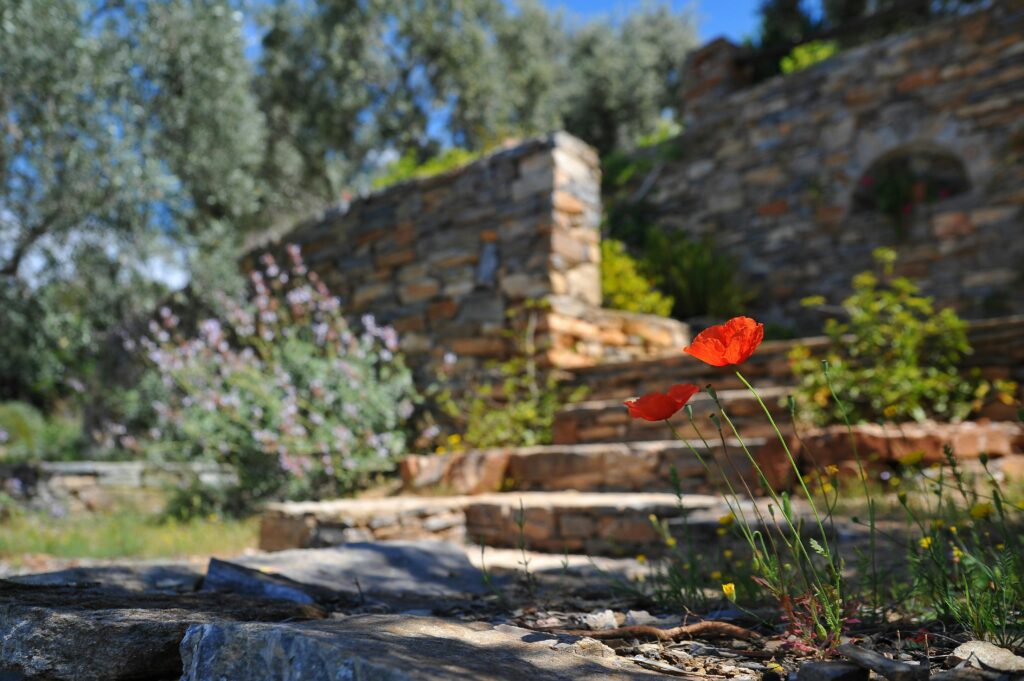
Key Concepts of Sustainable Stone and Hardscaping
In the vast realm of outdoor design, sustainable stone and hardscaping stand as pillars of resilience and environmental consciousness. These elements don’t merely decorate our patios and gardens; they tell stories of time, nature, and thoughtful stewardship. Understanding the key concepts behind sustainable stone and hardscaping unveils a deeper appreciation for how these materials shape not just spaces, but entire ecosystems and human experiences.
The Essence of Sustainability in Stone and Hardscaping
At its core, sustainability in stone and hardscaping is about harmony , a balance between human desires and nature’s limits. Imagine a sculptor chiseling a masterpiece from a piece of marble; each strike is deliberate, mindful of the stone’s integrity. Similarly, sustainable hardscaping respects the Earth’s resources by sourcing materials responsibly, minimizing ecological footprints, and ensuring longevity to reduce waste.
Sustainability here isn’t a mere trend; it’s a philosophy anchored in durability. Stone, a product of geological time spanning millions of years, embodies endurance. Using stone thoughtfully mirrors this temporal patience , creating outdoor spaces designed to age gracefully, adapting to weather and wear without losing their charm. Like an ancient monument standing witness across centuries, sustainable hardscaping becomes a testament to enduring craftsmanship and environmental respect.
Natural Materials: More Than Just Aesthetic Choices
When considering stone in outdoor spaces, it’s tempting to see it simply as a design element , a palette of textures, colors, and shapes. Yet, stone tells a much richer narrative. Each type of stone carries unique geological histories: granite forged in fiery depths, sandstone formed from sediment layers, or limestone from ancient seashell deposits. Choosing sustainable stone means acknowledging and honoring these natural legacies.
Moreover, natural stone’s ecological profile contrasts sharply with synthetic alternatives. The embodied energy in quarrying stone must be balanced by the longevity and recyclability of the material. Think of natural stone as a slow-burning candle, whose steady glow lasts for decades, compared to a synthetic light that might flicker briefly but demand constant replacement. The sustainability of stone is enhanced by local sourcing , minimizing transportation emissions and encouraging regional economies , weaving communities and landscapes into a shared story.
Hardscaping as an Ecosystem Partner
Hardscaping, when done sustainably, transcends mere functionality. It becomes an integral part of the ecosystem, enhancing biodiversity, water management, and soil health. Imagine your outdoor space as a living organism, with hardscape elements acting as its skeletal framework. These elements support and protect softer landscapes , plant beds, lawns, and wildlife habitats , much like bones protect muscles and organs.
Porous paving stones, for example, function much like the earth’s skin, allowing water to seep through and nourish the soil beneath, reducing runoff and erosion. This permeability contrasts sharply with impermeable surfaces, which disrupt natural water cycles and create environmental stress. Sustainable hardscaping embraces materials and designs that foster these natural processes, creating spaces that breathe and grow rather than suffocate and degrade.
The Temporal Dimension: Durability and Maintenance
Time is a silent narrator in the story of sustainable outdoor spaces. Unlike fleeting trends, sustainable stone and hardscaping account for decades , even centuries , of exposure and use. The choice of materials, construction techniques, and design details anticipates the river of time, much like a ship built for long voyages across unpredictable seas.
Durability, in this context, is not just physical robustness but a resilience that allows surfaces to weather storms, resist cracking, and maintain their aesthetic appeal. It also means selecting stones and materials that age beautifully, developing patinas or rich textures as a testimony to their journey. This temporal harmony aligns with the sustainable principle of reducing the need for frequent replacements, repairs, or excessive maintenance , a reminder that truly sustainable design respects the passage of time as an ally, not an enemy.
Cultural and Ethical Dimensions
Sustainable stone and hardscaping are also intrinsically tied to cultural narratives and ethical considerations. Ancient civilizations built with stone under principles aligned with what we now call sustainability , structures that served communities, respected local environments, and symbolized lasting human-nature relationships. Modern sustainable hardscaping can be seen as inheriting this legacy, blending craftsmanship, cultural identity, and environmental responsibility.
Ethically, the extraction and use of stone involve complex social considerations. Responsible sourcing ensures that the labor involved respects human rights and promotes fair economic benefits. Moreover, engaging with community traditions in hardscaping design connects human stories with natural materials, crafting spaces that feel authentic and deeply rooted in place.
A Living Legacy
Ultimately, sustainable stone and hardscaping symbolize a living legacy , a dialogue across generations, environments, and cultures. These outdoor elements become more than inert materials; they are participants in a continuous exchange between the earth, the builder, and the inhabitants of the space.
Like a well-told story that we return to time and again, a thoughtfully crafted sustainable stone landscape invites reflection and renewal. It challenges us to see outdoor spaces not just as extensions of our homes, but as intertwined components of a vast, dynamic, and delicate planetary system.
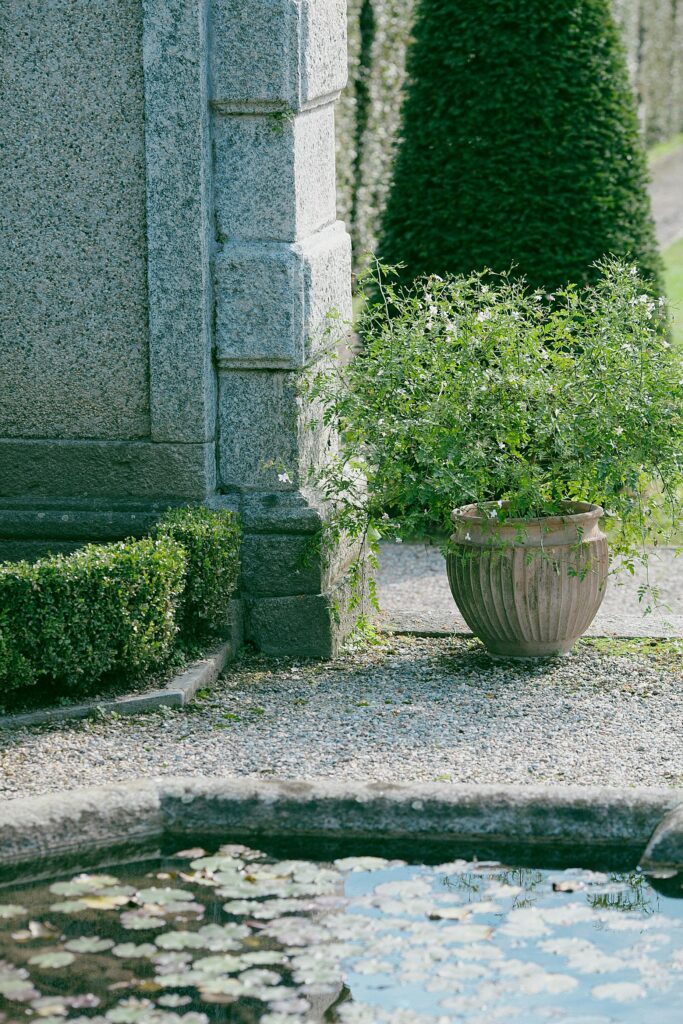
Understanding these key concepts , balance with nature, respect for geological and cultural histories, partnership with ecosystems, temporal mindfulness, and ethical stewardship , enchants sustainable stone and hardscaping with profound meaning. They remind us that every stone laid and every pathway paved can be an enduring act of love toward the planet and future generations.
Frequently Asked Questions about Sustainable Stone and Hardscaping for Long-Lasting Outdoor Spaces
❓ What is sustainable stone and hardscaping?
Sustainable stone and hardscaping refers to using environmentally friendly materials and techniques to create durable outdoor spaces. This approach minimizes ecological impact by sourcing natural stone responsibly and employing design methods that reduce maintenance and extend the lifespan of hardscape features.
❓ Why choose sustainable stone for hardscaping projects?
Sustainable stone offers long-lasting durability while minimizing environmental harm. By selecting materials that are locally sourced or recycled and designed to withstand weather and wear, you create outdoor spaces that require less frequent replacement and maintenance, saving resources over time.
❓ How can sustainable hardscaping benefit my outdoor space?
Incorporating sustainable hardscaping enhances the beauty and functionality of your outdoor area without depleting natural resources. It promotes water conservation through permeable surfaces, reduces carbon footprint, and improves ecosystem health, all while creating a resilient space that stands the test of time.
❓ Are there specific design practices that support sustainability in hardscaping?
Yes, sustainable hardscaping design includes using permeable pavers to reduce runoff, integrating native plants to support biodiversity, and planning for durability to avoid frequent repairs. Thoughtful layout and material choices contribute to both aesthetics and environmental responsibility.
❓ Can sustainable stone and hardscaping be cost-effective in the long run?
Absolutely. Although initial costs might be higher, sustainable materials often require less upkeep and replacement. This durability translates into significant savings over the years and adds value to your property while supporting eco-friendly principles.