



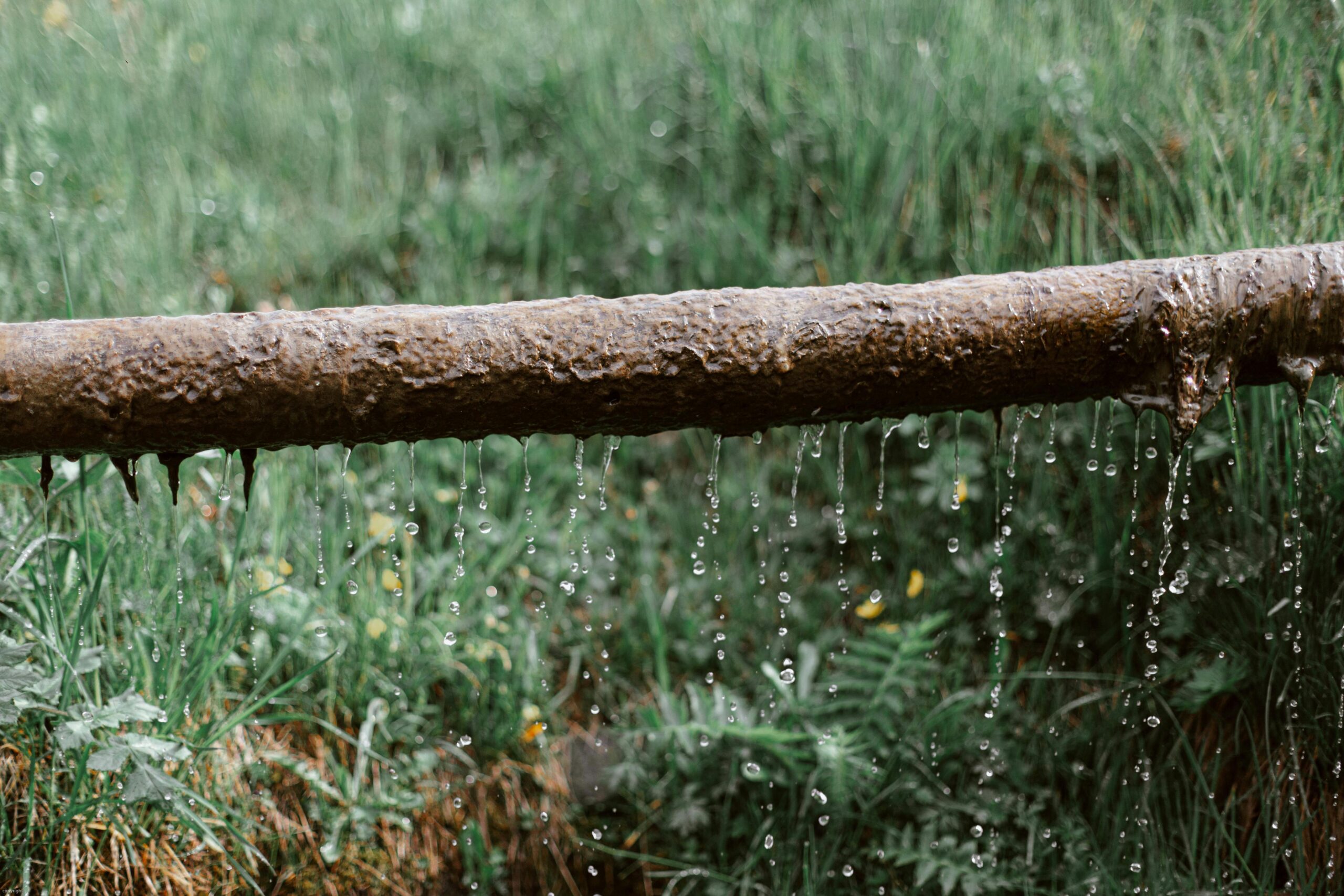
Across farming communities and cities alike, unpredictable climate patterns—droughts one season, floods the next—are reshaping how we manage water. In this reality, irrigation and drainage systems are no longer optional tools but essential pillars of resilience. Traditional methods often struggle with erratic rainfall, extreme storms, and shifting growing seasons, putting crops, infrastructure, and water resources at risk.
Smart irrigation and drainage solutions are transforming this landscape. By integrating technologies such as IoT sensors, automated controls, and data analytics, modern systems can monitor soil moisture, weather forecasts, and water flow in real time. This allows precise irrigation during dry spells and efficient drainage during heavy rains, reducing waste and preventing damage.
Farmers and municipalities worldwide are adopting these climate-adaptive systems to stabilize yields, protect infrastructure, and conserve water. These innovations demonstrate that resilient water management is both practical and achievable.
Investing in advanced irrigation and drainage technology is key to safeguarding resources, improving sustainability, and ensuring productivity in a rapidly changing climate.
Why Smart Irrigation and Drainage Systems Are More Crucial Than Ever
As climate variability intensifies, Irrigation and Drainage have become more critical than ever. Irrigation supplies water to crops when rainfall is insufficient, while drainage removes excess water to prevent waterlogging and salinity. Together, they form the foundation of modern agriculture. Yet traditional methods struggle to cope with unpredictable rainfall, prolonged droughts, and sudden floods driven by climate change.
Agriculture accounts for nearly 70% of global freshwater withdrawals, highlighting the urgent need for more efficient water management. Smart irrigation and drainage systems are emerging as powerful solutions. By integrating sensors, IoT devices, automation, and data analytics, these systems monitor soil moisture, weather conditions, and crop needs in real time. This enables precise water application, reducing waste and conserving energy. In drought-prone regions like California’s Central Valley, farmers using smart irrigation have achieved water savings of up to 30% while maintaining healthy yields.
Equally important, smart drainage systems detect saturated soils and automatically manage excess water, protecting roots and preventing soil degradation. This adaptability helps farmers withstand erratic weather and safeguard productivity.
Ultimately, technology-driven irrigation and drainage practices are essential for sustainable agriculture, ensuring food security while conserving vital water resources in a changing climate.
Tips for Smart Irrigation and Drainage Systems for Changing Climate Conditions:
💧 Embrace precision irrigation: Use sensors and IoT devices to monitor soil moisture and weather data, ensuring water is applied only when and where needed.
🌦️ Integrate real-time weather forecasts: Automate irrigation schedules based on up-to-the-minute climate data to avoid overwatering during unexpected rainfall.
♻️ Implement water recycling methods: Capture and reuse drainage water to reduce overall consumption and mitigate water scarcity.
🚜 Employ variable rate irrigation technology: Adjust water delivery dynamically across fields to match crop needs and soil variability, optimizing resource use.
🛠️ Regularly maintain drainage infrastructure: Prevent blockages and ensure efficient water runoff to avoid waterlogging and salinity build-up.
🌱 Use drought-resistant crop varieties: Combine smart irrigation with resilient crops to adapt to fluctuating water availability in a warming climate.
📊 Leverage data analytics platforms: Analyze long-term irrigation and drainage data to optimize system performance and plan for future climate scenarios.
🌍 Foster community collaboration: Share knowledge and resources among local farmers and stakeholders to implement sustainable irrigation and drainage practices at scale.
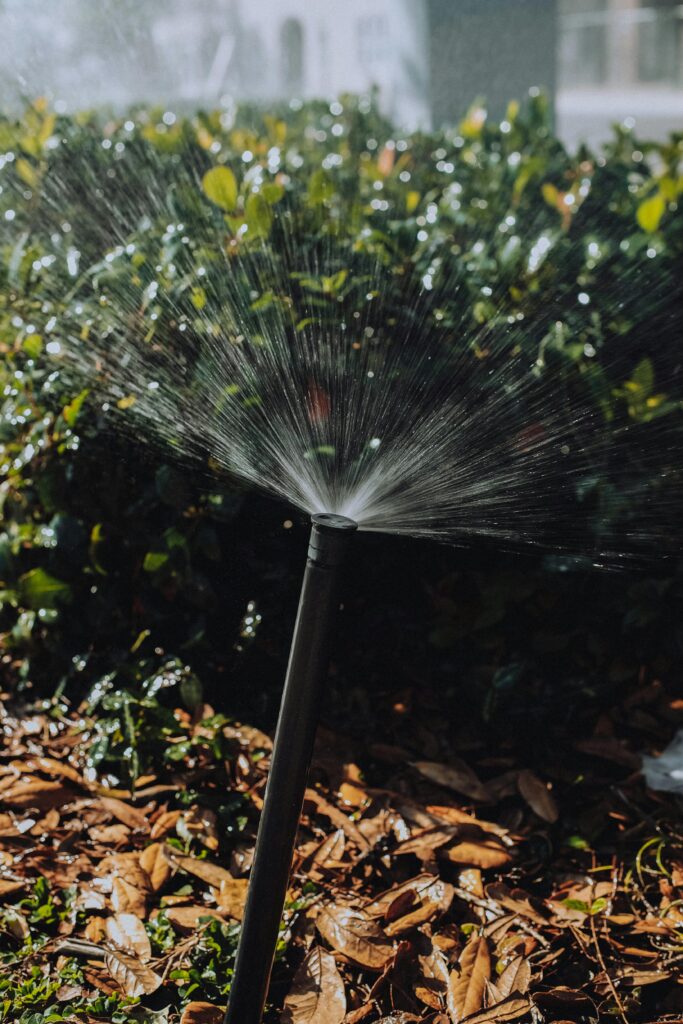
Key Concepts
Understanding irrigation and drainage within the context of smart systems designed for changing climate conditions invites us into a complex interplay between nature, technology, and adaptive management. These fundamental processes are much like the circulatory and excretory systems of a living organism, vital for maintaining balance and sustainability in agricultural ecosystems. To truly grasp their significance, one must delve deeper into their conceptual foundations and explore how they respond dynamically to environmental fluxes.
The Essence of Irrigation: Nurturing Growth as a Living Entity
Irrigation is the intentional supply of water to soil and crops, carefully managed to support plant growth when natural rainfall is insufficient. More than simple watering, it is a strategic system that responds to plant needs, soil conditions, and changing weather patterns. As climate variability increases droughts and uneven rainfall, irrigation shifts from a routine task to a dynamic, adaptive practice. It becomes a responsive partnership between farmers and nature, ensuring crops receive the right amount of moisture at the right time. By adjusting to heat stress and dry conditions, modern irrigation sustains productivity and resilience in agriculture.
Drainage: The Unsung Sculptor of Soil Health
Where irrigation breathes life into soil, drainage deftly sculpts its environment by removing excess water. This equilibrium prevents the suffocation of roots and the leaching of vital nutrients, much like how the body’s lymphatic system clears toxins to maintain health. Drainage systems create channels that control the flow of water, preventing both waterlogging and salinization, threats that have intensified alongside climate extremes.
Think of drainage as a guardian of the subterranean microclimate, preserving the delicate moisture balance indispensable for microbial activities that nourish plants. Efficient drainage combats the paradox of abundance and scarcity, too much water can be as detrimental as too little, emphasizing that water management is fundamentally about precision and timing.
Smart Systems: The Brain in the Body of Irrigation and Drainage
Introducing intelligence into irrigation and drainage elevates these age-old practices into an adaptive, learning organism. Smart systems act like a sophisticated nervous system, sensing, processing, and responding to environmental stimuli in real-time. Sensors become the sensory organs detecting soil moisture, temperature, and salinity gradients, while automated valves and pumps execute the defined responses with surgical precision.
This cybernetic approach mirrors the human body’s ability to maintain homeostasis despite external stresses. Such systems learn from historical climate data, forecast impending droughts or floods, and adjust water application accordingly, illustrating a synergy between data-driven decision-making and ecological awareness.
The Climate Change Catalyst: Reframing Water Management Narratives
Climate change acts as a catalyst reshaping the conceptual landscape of irrigation and drainage. It imposes unpredictability, turning formerly reliable rain patterns into erratic events, missing rhythms in the agricultural symphony. Consequently, water management strategies must pivot from reactive to proactive, embracing flexibility and resilience.
This shift demands reimagining irrigation and drainage not only as engineering challenges but as socio-ecological processes embedded within larger landscapes subject to flux. In this scenario, water must be viewed less as a resource for extraction and more as a currency in a delicate exchange between land, atmosphere, and human intervention.
Balancing Act: The Interdependence of Irrigation and Drainage
Recognizing irrigation and drainage as complementary forces is essential. Much like the inhale and exhale of breathing, they form a cycle where excess water removal informs irrigation needs and vice versa. Over-irrigation without adequate drainage leads to salinity buildup and land degradation, while effective drainage without responsible irrigation can result in water wastage and diminished crop yields.
Conceptually, this balance exemplifies feedback loops found in natural systems, emphasizing that sustainable water management embraces complexity rather than oversimplification. It compels a holistic understanding that every action in the water cycle reverberates through the agricultural ecosystem, magnified by the scale and velocity of climate-induced changes.
Towards Conceptual Integration: Water as a Dynamic Medium
At a deeper level, the concepts of irrigation and drainage reflect a profound relationship with water as a dynamic medium. Water is not static; it moves, transforms, and interacts with soil chemistry, plant physiology, and atmospheric conditions in continuous flux. Smart systems seek to harness and harmonize this dynamism, enabling human intervention to become less intrusive and more aligned with natural processes.
In this light, water management transcends technique, embodying a philosophy of coexistence, where technology acts as a mediator between human needs and environmental integrity. It raises broader questions about stewardship, ethics, and the future of agriculture in an era marked by uncertainty and change.
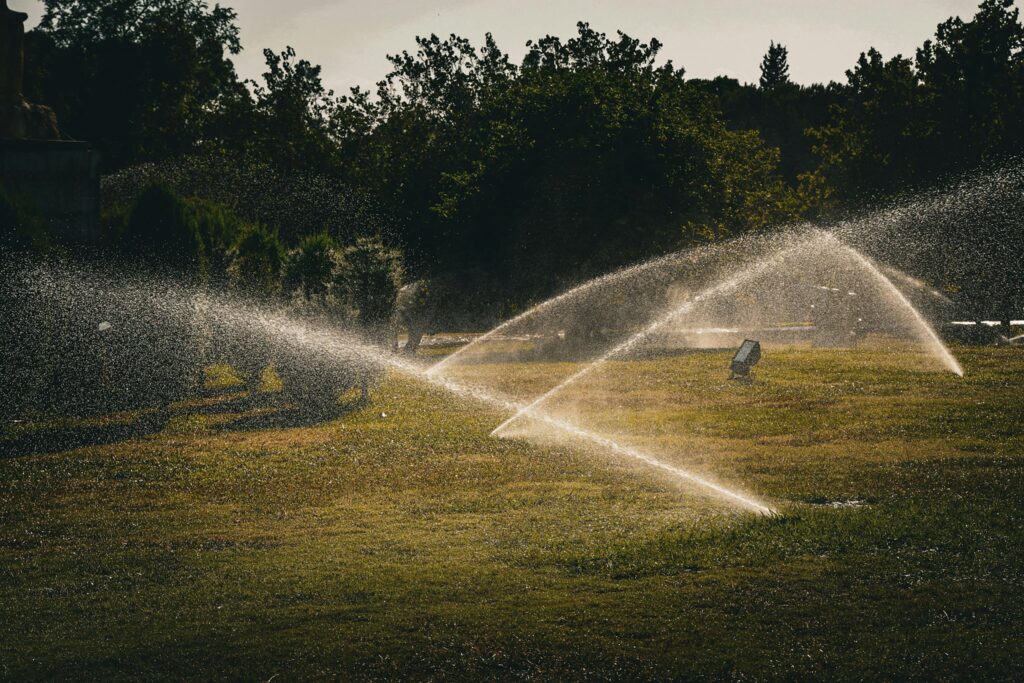
Smart irrigation and drainage reflect the delicate balance of water in a changing climate. By blending ecology, technology, and resilience, intelligent water management supports sustainable agriculture, protects soil health, and strengthens global food security for the future
Frequently Asked Questions about Smart Irrigation and Drainage Systems for Changing Climate Conditions
❓ What is smart irrigation and drainage?
Smart irrigation and drainage systems use advanced technologies like sensors, automated controls, and data analytics to optimize water use for agriculture and landscaping, especially under changing climate conditions.
❓ How do smart systems help manage water during droughts or heavy rainfall?
These systems monitor soil moisture, weather forecasts, and water flow in real time, enabling precise irrigation when needed and effective drainage during heavy rains, thereby reducing water waste and preventing flooding.
❓ Are smart irrigation and drainage systems expensive to install?
While initial costs can be higher than traditional methods, smart systems often save money in the long term by reducing water consumption, preventing crop loss, and minimizing maintenance expenses.
❓ Can smart irrigation adapt to sudden changes in climate?
Yes, smart systems use real-time data and predictive analytics to quickly adjust irrigation and drainage schedules, helping farmers and gardeners cope with unpredictable weather patterns caused by climate change.
❓ Do I need special skills to operate smart irrigation and drainage systems?
Most smart systems are designed to be user-friendly with automated controls, but some basic understanding of technology or gardening helps. Many providers also offer training and support for users.