




Step outside on a crisp spring morning and imagine a lawn bursting with color, thick grass, and healthy blooms. Achieving that picture-perfect yard takes more than occasional watering—it requires a thoughtful, season-by-season lawn care strategy. Many homeowners face patchy turf, weeds, or fading color as the weather shifts, often unsure how to adjust their maintenance routines. The key is understanding what your lawn and garden need throughout the year and responding proactively.
Seasonal lawn and garden care focuses on aligning tasks with nature’s cycles. In spring, fertilization and early weed control jumpstart growth. Summer calls for smart irrigation and mowing practices to reduce heat stress. Fall is ideal for aeration and soil preparation, strengthening roots before dormancy. Winter protection preserves soil health and sets the stage for a strong comeback.
Beyond appearance, proper seasonal care improves root development, enhances pest resistance, and supports long-term sustainability. Timing matters—using the right technique at the wrong season can waste effort and money. By mastering mowing height, watering schedules, fertilization timing, and pest management tailored to your climate and grass type, you create consistent, reliable results.
With a structured seasonal plan, lawn care becomes less guesswork and more strategy—transforming your yard into a resilient, vibrant outdoor space that brings beauty and enjoyment year-round.
Why Seasonal Lawn Care is More Important Than You Think
A seasonal lawn care strategy means adjusting your yard maintenance to meet the changing needs of spring, summer, fall, and winter. Rather than following a single routine all year, this approach tailors care based on temperature, moisture, and daylight variations to promote consistent growth, health, and curb appeal. For homeowners, seasonal lawn care is more than a routine—it’s a smart investment that saves time, reduces costs, and prevents frustration.
Grass species respond differently to heat, cold, and rainfall. Summer stress, winter dormancy, and transitional seasons each demand specific actions, from fertilization and aeration to irrigation adjustments and soil preparation. Research from the National Association of Landscape Professionals shows that homeowners who adopt seasonal routines experience up to 30% fewer weed problems and a 25% improvement in lawn density compared to those using a one-size-fits-all approach.
Consider a homeowner who struggled for years with patchy turf and stubborn weeds. After implementing a structured seasonal plan—spring aeration, targeted fertilization, smart summer watering, and fall soil preparation—the lawn gradually became thicker, greener, and more resilient. By working with nature’s cycles instead of against them, each season built on the last.
Seasonal lawn care empowers homeowners to create landscapes that adapt, endure, and flourish year-round, transforming outdoor spaces into healthy, vibrant environments that enhance both beauty and long-term sustainability.
Tips for Effective Seasonal Lawn and Garden Care Solutions for Homeowners:
🌱 Spring Awakening: Prep Your Lawn Early
Begin by raking away dead leaves and debris to allow new grass to breathe. Apply a pre-emergent weed killer to prevent pesky weeds from taking hold.
💧 Consistent Watering Schedule
Establish a watering routine that matches the season. Spring and fall require less water than summer, preventing overwatering and promoting deep root growth.
✂️ Proper Mowing Techniques
Keep your mower blades sharp and don’t cut more than one-third of the grass height. Adjust mower height seasonally, higher in summer to protect roots, lower in fall for cleanup.
🌻 Fertilize Wisely
Use a seasonal fertilizer tailored to your lawn’s needs. Apply higher nitrogen feeds in the spring and balanced blends in the fall to encourage healthy growth and recovery.
🍂 Fall Cleanup: Prepare for Dormancy
Rake leaves and remove thatch to prevent mold and diseases. Aerate your lawn to relieve soil compaction and improve nutrient absorption during the cooler months.
🌾 Seasonal Pest Management
Identify common seasonal pests and apply targeted treatments early. Natural options like neem oil work well to protect your lawn and garden without harsh chemicals.
🌼 Garden Bed Refresh and Mulching
Add fresh mulch each season to retain moisture and regulate soil temperature. Plant seasonal flowers or vegetables suited for the current climate to keep your garden vibrant year-round.
🛠️ Regular Maintenance Checks
Inspect irrigation systems, lawn equipment, and garden tools seasonally. Timely repairs and tune-ups ensure optimal performance and prevent unexpected issues.
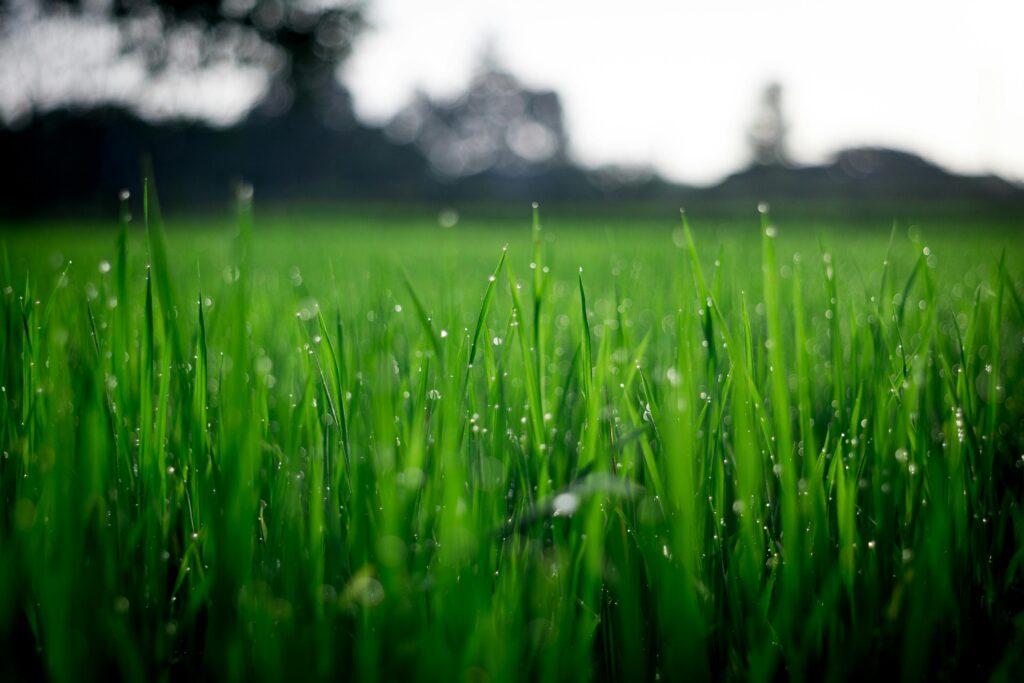
By following these seasonal lawn and garden care solutions, homeowners can keep their outdoor spaces healthy, attractive, and well-prepared for every change in weather.
Key Concepts of Seasonal Lawn
Understanding the concept of a Seasonal Lawn is akin to appreciating the choreography of nature itself, a dynamic dance where grass and garden plants respond rhythmically to the changing seasons. This concept extends beyond mere aesthetics; it embodies a cycle of growth, dormancy, nourishment, and renewal, each phase demanding different approaches and considerations.
The Innate Rhythm of Growth: The Seasonal Lawn’s Biological Clock
Every lawn has an internal biological clock synchronized with the calendar of seasons. In spring, for instance, the grass wakes from its winter dormancy with a burst of growth analogous to a symphony’s rising crescendo. Nutrient uptake, root development, and blade expansion are at their peak, portraying the lawn’s vibrant youthfulness. Conversely, as autumn draws near, lawns decelerate growth, focusing energy on root reinforcement and storing nutrients for survival during winter’s dormancy. This cyclical vitality illustrates how lawns are living ecosystems attuned to environmental signals like temperature, daylight, and moisture.
Seasonal Variation: Understanding the Soil-Plant Dialogue
The soil beneath a seasonal lawn is far from static; it undergoes transformations that affect plant health and resilience. In the summer months, soil moisture levels can fluctuate dramatically, influencing root hydration and nutrient availability. Think of the soil as a reservoir feeding the grass, but one whose conditions ebb and flow with season-specific factors such as rainfall or evaporation rates. By recognizing this soil-plant dialogue, homeowners can appreciate why lawns may appear lush in early summer but prone to drought stress later on.
Dormancy: The Lawn’s Winter Slumber
Dormancy in a seasonal lawn is not mere inactivity but a strategic retreat for survival. During colder months, cool-season grasses enter a state comparable to a bear’s hibernation, slowing metabolic processes and conserving energy. Warm-season grasses, often from different geographical origins, might exhibit different dormancy responses or stay green longer depending on their adaptability. This dormant phase is crucial, it resets the lawn’s vitality, enabling rebirth and vigorous growth when spring returns.
The Legacy of Historical Seasons: Memory in Lawn Ecology
An often-overlooked aspect of a seasonal lawn is the imprint of preceding seasons, how previous periods of drought, heavy rainfall, or nutrient scarcity can influence current lawn health. This “memory” is etched in the soil nutrient profile and microbial activity, shaping the lawn’s capacity to thrive. Like chapters in a living book, these seasonal legacies inform the lawn’s ongoing narrative, rendering each year’s growth uniquely influenced by prior environmental experiences.
Seasonal Aesthetic and Emotional Resonance
The changing face of a lawn through the seasons mirrors the temporal passage, inviting homeowners into a deeper connection with their outdoor space. Spring’s fresh green blades evoke renewal and hope, summer’s full growth symbolizes abundance, autumn’s fading hues remind of transformation, and winter’s dormancy embodies rest. This cyclical aesthetic journey enriches the human experience, turning a lawn into a living canvas reflecting the poetry of nature’s calendar.
Biodiversity and Ecosystem Services in Seasonal Lawns
Seasonal lawns are more than single-species grass covers; they often coexist with diverse soil organisms, insects, and even neighboring garden plants. This biodiversity plays a key role in promoting soil health, natural pest control, and pollination, all services that ebb and flow with the seasons. Appreciating these ecosystem dynamics within a seasonal lawn framework adds layers of understanding about lawn health and sustainability.
The Interplay Between Climate and Seasonal Lawn Behavior
Climate acts as the grand conductor guiding the seasonal lawn’s responses. Variations in temperature ranges, precipitation patterns, and extreme weather events shape the timeline and intensity of growth cycles. A seasonal lawn in a temperate zone experiences very different phases compared to one in a subtropical or continental climate. This interdependence underscores the importance of viewing seasonal lawn care as a nuanced, site-specific relationship rather than a generic routine.
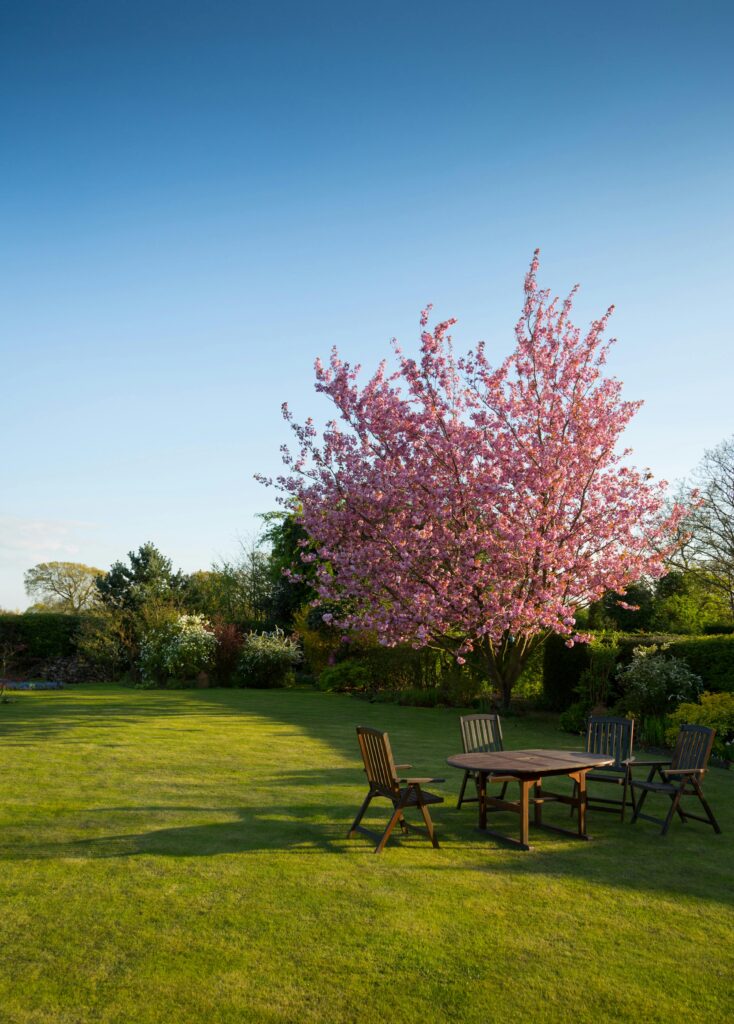
In essence, the concept of a Seasonal Lawn invites us to perceive our grass not as a static green carpet but as an evolving, responsive organism intricately tied to the rhythms of time and nature. It is a narrative of growth, rest, resilience, and environmental interplay, opening a window into the subtle and sophisticated world beneath the surface of familiar home landscapes.
Frequently Asked Questions about Seasonal Lawn
❓ What is seasonal lawn care, and why is it important for homeowners?
Seasonal lawn care refers to the specific maintenance tasks tailored to each season, spring, summer, fall, and winter, to keep your lawn healthy year-round. It’s important because different seasons bring unique challenges, such as drought in summer or frost in winter, and proper care during each period helps prevent damage, promotes growth, and keeps your lawn looking lush.
❓ How does seasonal lawn care differ between spring and fall?
In spring, the focus is on revitalizing the lawn after winter by aerating, fertilizing, and overseeding to promote new growth. Fall care, on the other hand, concentrates on preparing your lawn for the cold months by removing debris, applying a slow-release fertilizer, and sometimes overseeding to repair summer damage. These seasonal adjustments ensure your lawn remains resilient and vibrant.
❓ Can I use the same lawn care products year-round for seasonal lawn maintenance?
No, it’s best to use products specifically designed for each season. For example, spring fertilizers typically have a higher nitrogen content to encourage green growth, while fall fertilizers include more potassium to strengthen roots for winter. Using the wrong products at the wrong time can stress your lawn rather than support it.
❓ How often should I water my lawn in different seasons?
Watering needs vary with the season. In summer, frequent deep watering is essential to prevent drought stress, whereas in fall and spring, moderate watering suffices since temperatures are cooler and natural rainfall may be more frequent. Winter usually requires minimal watering, especially in regions with natural precipitation or snow.
❓ Are there any specific tools or equipment recommended for seasonal lawn care?
Yes, each season may require different tools to maintain your lawn effectively. In spring and fall, aerators and dethatching rakes are useful for soil health. During summer, a quality sprinkler system helps with watering, and in winter, tools for removing leaves or snow might be necessary. Having the right equipment makes seasonal lawn care easier and more efficient.