



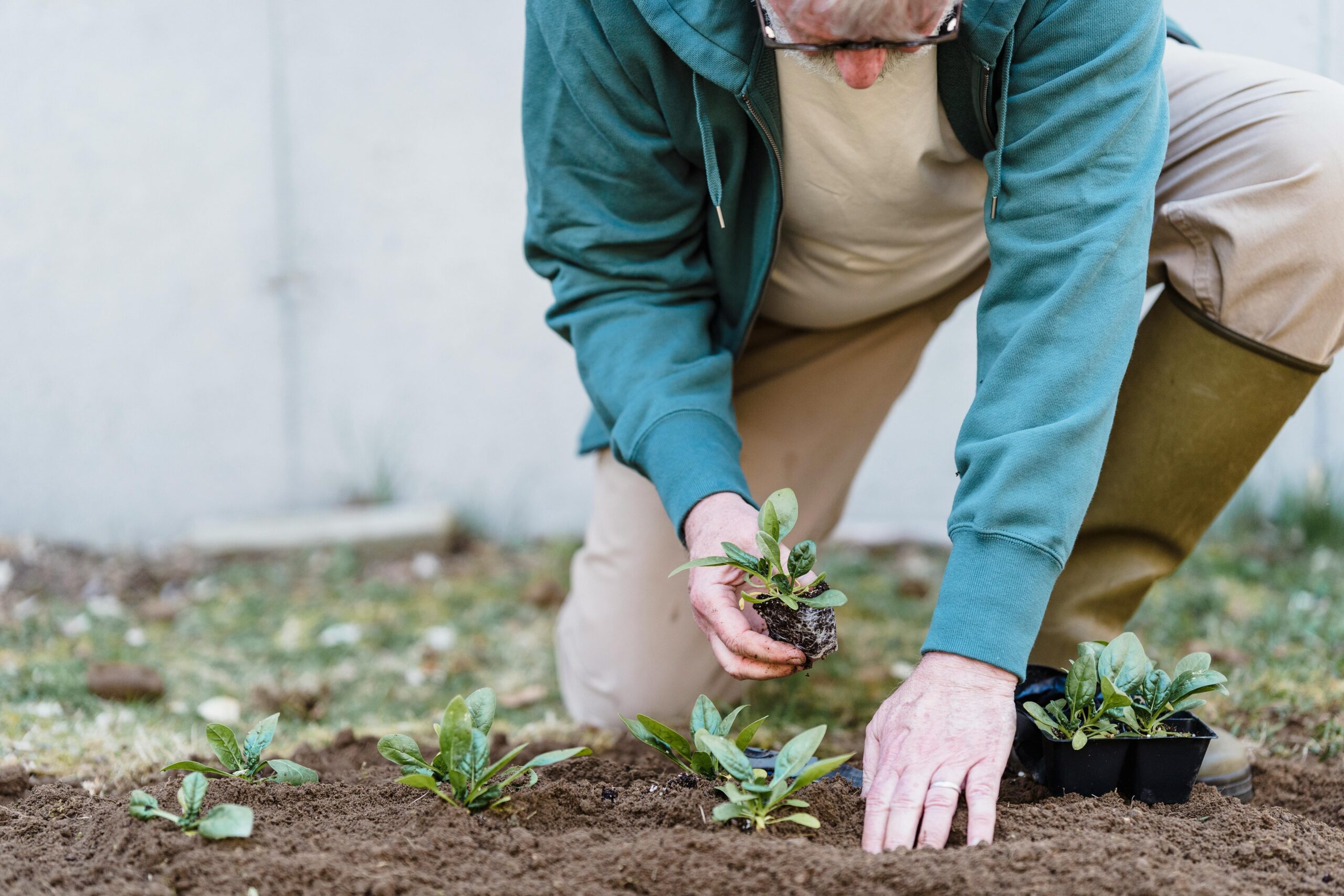
Step onto your lawn and imagine thick, vibrant grass beneath your feet. Achieving that lush look isn’t luck—it’s strategy. Seasonal aeration, combined with proper irrigation and seeding, is the key to consistent, healthy growth. Many homeowners struggle with patchy turf because soil compaction, thatch buildup, and poor water absorption limit root development. Aerating at the right time loosens soil, improves airflow, and allows water and nutrients to penetrate deeply. Strategic seeding fills bare spots and strengthens turf density, while well-managed irrigation supports germination and steady root growth. By aligning these techniques with each season, you create stronger roots, better moisture retention, and a lawn that resists drought and disease.
Why Irrigation and Seeding Are Crucial for a Lush Lawn: Unlocking the Secrets of Seasonal Growth
When it comes to maintaining a vibrant, healthy lawn, few practices are as essential as irrigation and seeding. These two elements serve as the foundation for optimal turf growth, ensuring your outdoor space remains green and robust throughout the year. In the context of Seasonal Aerating and Seeding Strategies for Optimal Lawn Growth, understanding how irrigation and seeding interact with the changing seasons can dramatically improve the health and appearance of your lawn.
What Is Irrigation and Seeding?
Irrigation refers to the process of artificially supplying water to your lawn, especially during periods of limited natural rainfall. Seeding involves spreading grass seed across the lawn to repair bare spots, thicken the turf, or introduce new varieties of grass better suited to your climate or soil conditions.
Both practices are more than routine chores; they are vital steps in supporting the natural lifecycle of grass. When combined strategically with aeration, the act of perforating the soil to allow air, water, and nutrients to penetrate roots, they set the stage for the lawn to grow deeper, greener, and more resilient.
Why Are Irrigation and Seeding Important?
Grass, much like any living organism, requires consistent nourishment. Proper irrigation ensures that grass roots receive adequate moisture, which is indispensable for photosynthesis and nutrient absorption. Meanwhile, seeding replenishes your lawn’s density and diversity, combating wear and damage caused by foot traffic, pests, or extreme weather.
Statistics reinforce the significance of these practices. According to the Lawn Institute, a well-irrigated lawn can grow up to 25% thicker and remain healthier through dry spells compared to one without sufficient watering. Furthermore, research from the National Association of Landscape Professionals highlights that lawns receiving timely overseeding see up to a 30% greater resistance to diseases and drought.
Real-Life Success Story: Turning a Patchy Lawn into a Vibrant Oasis
Consider the example of the Matthews family from Ohio. For years, they struggled with a patchy, thin lawn that would brown quickly during summer. In early spring, they adopted a seasonal strategy combining aeration, overseeding with drought-resistant grass varieties, and targeted irrigation.
By applying 20 minutes of irrigation early in the morning three times a week, and overseeding immediately after aeration in April, their lawn began to recover rapidly. Within three months, the patchiness had almost entirely disappeared, and by summer, their yard was lush, inviting, and resilient against typical weather fluctuations.
Their story is a powerful testament to the transformative power of combining irrigation and seeding within a thoughtful seasonal care plan.
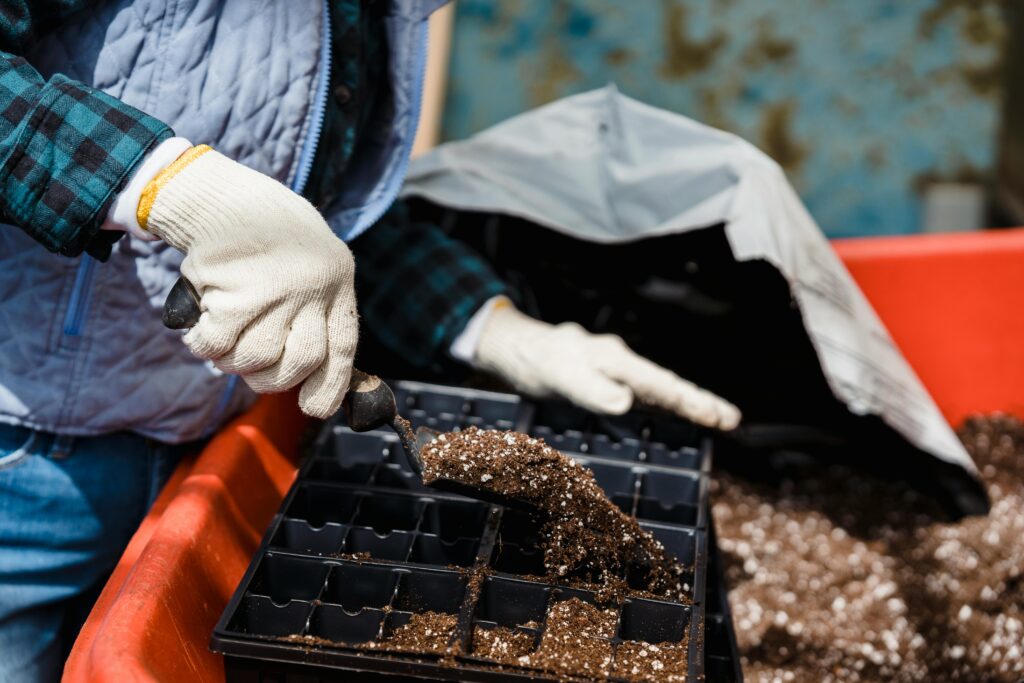
In conclusion, irrigation and seeding are far from mere lawn maintenance tasks. They are critical components of a strategy aimed at maximizing the potential of your grass throughout the year. By understanding their importance and timing them correctly with aeration, homeowners can enjoy a lawn that stands out for its health, beauty, and durability season after season.
Tips for Seasonal Aerating and Seeding Strategies for Optimal Lawn Growth:
🌱 Aerate in early fall: This is the best time to aerate because your lawn is actively growing, helping roots absorb nutrients and water efficiently.
💧 Water immediately after aerating: Keep the soil moist to support seed germination and aid new roots in establishing.
🌾 Choose quality seed: Use a seed mix appropriate for your region and lawn type to ensure resilience and healthy growth.
🛠️ Use proper aeration equipment: Core aerators remove plugs of soil, providing better airflow and space for seed placement compared to spike aerators.
☀️ Avoid aerating during drought or extreme heat: Aerating under stress can damage your lawn further, so wait for cooler, moister conditions.
📅 Seed within 1-3 days post-aeration: Planting seed soon after aerating maximizes soil contact and germination success.
🌟 Apply a starter fertilizer: Use a balanced fertilizer low in nitrogen but high in phosphorus to support new root development after seeding.
🍂 Fall is prime for seeding but spring works too: Fall provides ideal temperatures and moisture; spring is a second chance to repair your lawn after winter.
💡 Extra tip: Rake lightly after seeding to ensure good seed-to-soil contact for better germination rates.
By following these seasonal aerating and seeding strategies, you’ll ensure your lawn achieves thick, healthy, and vibrant growth year-round.
Key Concepts
When it comes to irrigation and seeding within the framework of seasonal aerating and seeding strategies for optimal lawn growth, there is a profound dance between water, seed, and soil that must be understood to unlock a lush, vibrant lawn. These elements are not merely tasks to check off a list but are interwoven components, each bearing significance on the other.
The Symbiotic Relationship Between Irrigation and Seeding
Picture your lawn as a living canvas. The seeds are the paint, while irrigation is the brush that ensures that color takes hold and flourishes. Seeds need moisture as their first breath of vitality. Without adequate irrigation, even the most precious seed risks lying dormant or succumbing to dryness, much like a painter abandoning strokes for lack of water to clean the brush.
Seeding, particularly after aeration, offers little value if the surrounding environment does not mimic the nurturing essence of a fertile cradle. This synergy means that irrigation is not an afterthought but the very heart of seed germination and establishment.
Timing: The Invisible Thread of Success
Seasonal aeration is akin to opening tiny windows in the soil, inviting air, water, and nutrients to mingle freely beneath the surface. Following these “openings,” seeding introduces new life to the soil. However, these interventions must be synchronized with the rhythm of nature, during specific seasons when temperature and moisture align to craft the perfect nursery.
Irrigation during these seasons becomes the invisible thread weaving the process together. Over-irrigating can suffocate seed roots and foster disease, much like a heavy rainstorm washing away a newly planted flower. Conversely, under-watering will dry out the soil, completing a story of potential growth never realized.
Soil Moisture Balance: The Delicate Equilibrium
Soil moisture operates in a delicate balance, a Goldilocks zone where conditions are “just right.” Too little moisture and seeds face dehydration; too much moisture and the soil turns hostile, choking oxygen flow and inviting fungal adversaries.
This balance can be compared to baking a cake: the correct amount of liquid dissolves ingredients and activates yeast, but an excess or deficiency disrupts the entire chemistry. Similarly, irrigation must harmonize with soil capacity and seed requirements, especially right after seeding when roots are vulnerable and searching.
Seed-to-Soil Contact: The Foundation of Growth
Aeration’s primary purpose is to create pores in compacted soil, but it also enhances seed-to-soil contact , the physical embrace that gives seed the best chance at germination. Without intimate contact, seeds remain stranded, struggling to gain moisture and nutrients, like a message in a bottle floating in an ocean devoid of land.
Water acts as both messenger and mediator here: it carries oxygen and nutrients while softening the soil particles to allow seed roots to penetrate and anchor. The interplay between irrigation and seeding is the cornerstone ensuring this close connection is nurtured consistently.

The Role of Water Quality and Delivery Techniques
Not all water is equal for lawn health, which ties deeply into irrigation strategies. Hard water laden with minerals or water sources high in salts may hinder seed germination, creating invisible barriers beneath the surface. Similarly, how water reaches the soil, from gentle sprinkler oscillations simulating rain to more aggressive drenching, affects how seeds respond.
Think of irrigation as a storyteller weaving a tale through droplets; how gentle or forceful the delivery, how frequent the narrative pulses, will shape the unfolding story of seed sprout and lawn resurrection.
Adaptation to Seasonal Variability
The seasonal context introduces dynamic variability into the irrigation and seeding equation. In cooler seasons, irrigation needs slow as evaporation decreases, yet seeds still require consistent moisture to break dormancy and establish. Conversely, warm and dry conditions demand increased attentiveness to prevent desiccation but must be balanced against heat stress on delicate seedlings.
Much like a navigator steering a vessel through shifting tides and winds, successful irrigation and seeding strategies must adjust fluidly, attuned to the whispered cues of season and weather.
—
In essence, irrigation and seeding in the realm of seasonal aerating and seeding strategies are not isolated acts but a symphony of interdependent processes. Each droplet of water, each seed nestled in aerated soil, collaborates to tell the story of life reborn in the lawn beneath our feet. Understanding these nuanced concepts elevates lawn care from routine maintenance to an art form , one marked by patience, knowledge, and deep respect for the natural rhythms that govern growth.
Frequently Asked Questions about Irrigation and Seeding in Seasonal Aerating and Seeding Strategies
❓ What is the best time to irrigate after aerating and seeding?
After aerating and seeding, it’s crucial to keep the soil consistently moist to encourage seed germination. Light irrigation should begin immediately following seeding, ideally once or twice a day, to prevent seeds from drying out. As the seedlings grow, you can gradually reduce the frequency but increase the depth of watering.
❓ How much water does a newly seeded lawn need?
A newly seeded lawn typically requires about 1/4 inch of water per session, several times a day in the first two weeks. This ensures the seeds stay moist without being waterlogged. After the seedlings establish, watering can be less frequent but deeper to encourage strong root development.
❓ Can I aerate and seed my lawn at the same time?
Yes! Aerating and seeding are often done together as aeration creates holes in the soil, allowing seeds to settle deeper and establish better contact with the soil. This combo enhances water and nutrient absorption, leading to healthier, denser lawns.
❓ What irrigation method works best after seeding?
Using a fine mist sprinkler or a soaker hose is ideal right after seeding because it provides gentle, even coverage without washing away seeds. Avoid strong jets of water that may disturb the seeds or soil.
❓ How does seasonal timing affect irrigation and seeding strategies?
Seasonal timing is key for successful aerating and seeding. For cool-season grasses, early spring or fall is ideal since temperatures are moderate and rainfall helps maintain soil moisture. Summer seeding often requires more irrigation due to heat and evaporation, while winter is generally not recommended because seeds won’t germinate in cold, dormant soil.