



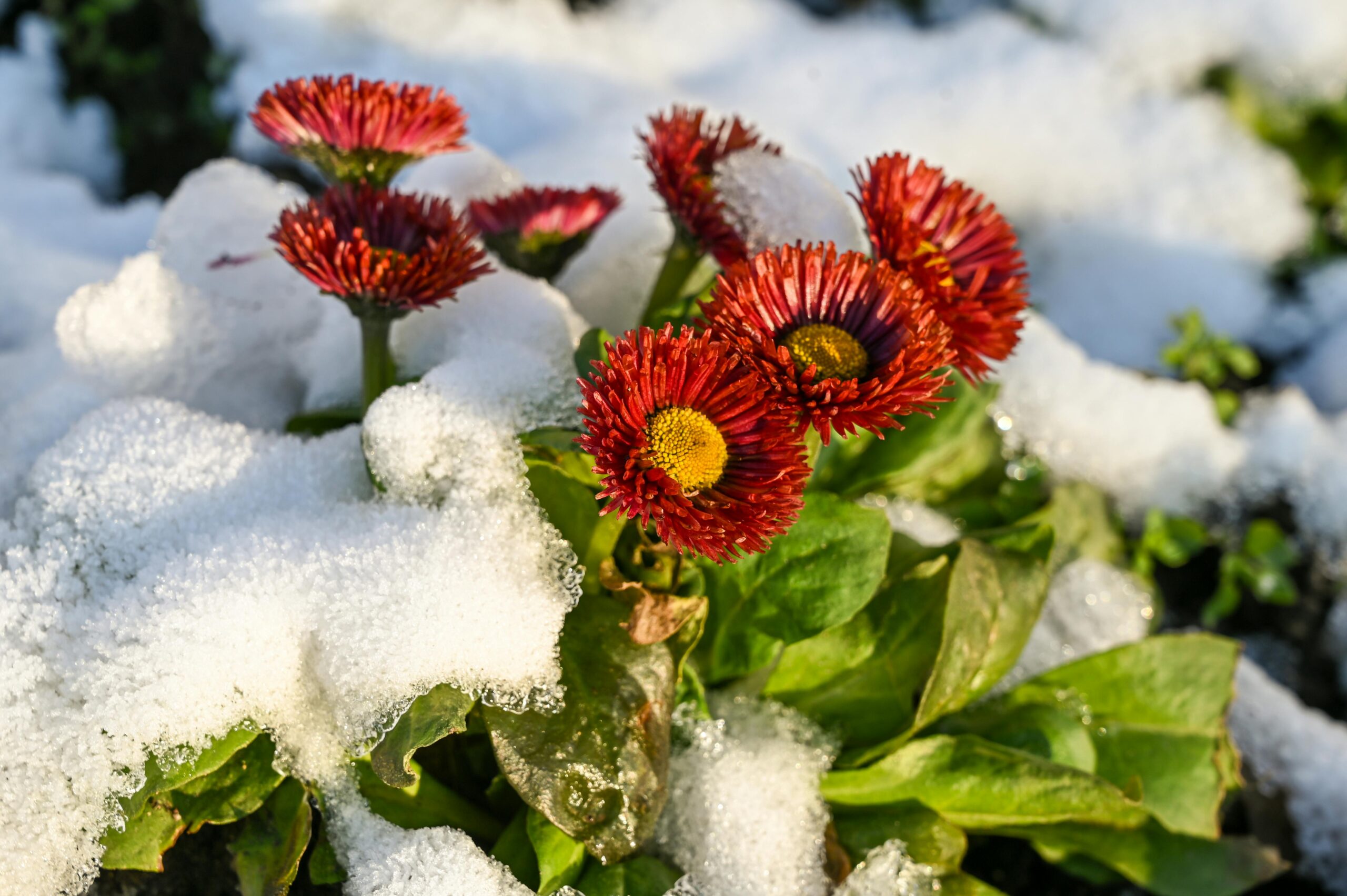
Imagine entering a garden that doesn’t just survive humid summers and freezing winters—but thrives through them. In the Midwest, a community garden recently endured sweltering, moisture-heavy July heat followed by a harsh November freeze. Many plants failed, yet some plots stayed lush and vibrant. Their advantage was a thoughtful strategy rooted in resilient design and planting.
Resilient design and planting is not a trend; it’s a practical approach for climates marked by hot, humid summers and bitterly cold winters. Instead of fighting seasonal extremes, this method works with natural cycles to create adaptable, durable, and lower-maintenance landscapes. The goal isn’t merely protection—it’s long-term vitality.
Success begins with intentional plant selection, favoring species that tolerate high humidity, resist fungal pressure, and endure winter freezes. Healthy soil management—improving drainage while retaining balanced moisture—strengthens root systems and reduces stress. Smart garden planning also matters: understanding sun exposure, wind patterns, and natural microclimates helps position plants where they can perform best year-round.
Resilient landscapes rely on science as much as creativity. Knowledge of plant hardiness zones, water movement, and seasonal transitions allows gardeners to anticipate challenges before they arise. Winter protection strategies, such as mulching and structural wind buffers, minimize freeze damage, while summer techniques improve airflow and prevent disease.
Whether you’re new to gardening or refining your craft, resilient design and planting offers a framework for building landscapes that withstand humidity and frost alike. Instead of watching plants struggle, you can cultivate a garden that adapts, strengthens, and flourishes—no matter what the weather brings.
Why Resilient Design and Planting Are Essential for Humid Summers and Cold Winters
When facing the challenging climate of humid summers and cold winters, resilient design and planting become not just a preference but a necessity. Resilient design and planting refer to landscaping and architectural strategies that help outdoor spaces withstand, and even thrive under, extreme and fluctuating weather conditions. This approach ensures that plants, structures, and ecosystems can endure the moisture-heavy heat of summer months while surviving the harsh freezes of winter, ultimately reducing maintenance costs and environmental impact.
But why exactly is resilient design and planting so crucial in these specific climates? Humid summers often bring excessive rainfall, high temperatures, and amplified risks of fungal diseases in plants, while cold winters pose threats like frost damage and dormancy challenges. According to a 2021 report from the U.S. Environmental Protection Agency, areas with humid summers and cold winters face increased plant stress, which can reduce landscape longevity by up to 30% without resilient planning.
Smart resilient design and planting don’t just protect, they promote a balanced ecosystem. For instance, choosing native or regionally adapted plants that inherently tolerate both moisture and cold conditions can drastically improve survival rates. A story that highlights this involves a community project in upstate New York. The local park faced repeated plant die-offs due to its humid summers followed by freezing winters. By implementing resilient design, such as raised beds for drainage, selecting drought and frost-resistant native perennials, and using mulching techniques, the park reduced plant loss by 60% within two years, saving thousands in replanting costs and creating a vibrant green space enjoyed year-round.
In summary, embracing resilient design and planting within the context of humid summers and cold winters not only ensures sustainability but also enhances the beauty and function of outdoor environments. It’s an investment in the future that protects both the environment and your landscape’s vitality.
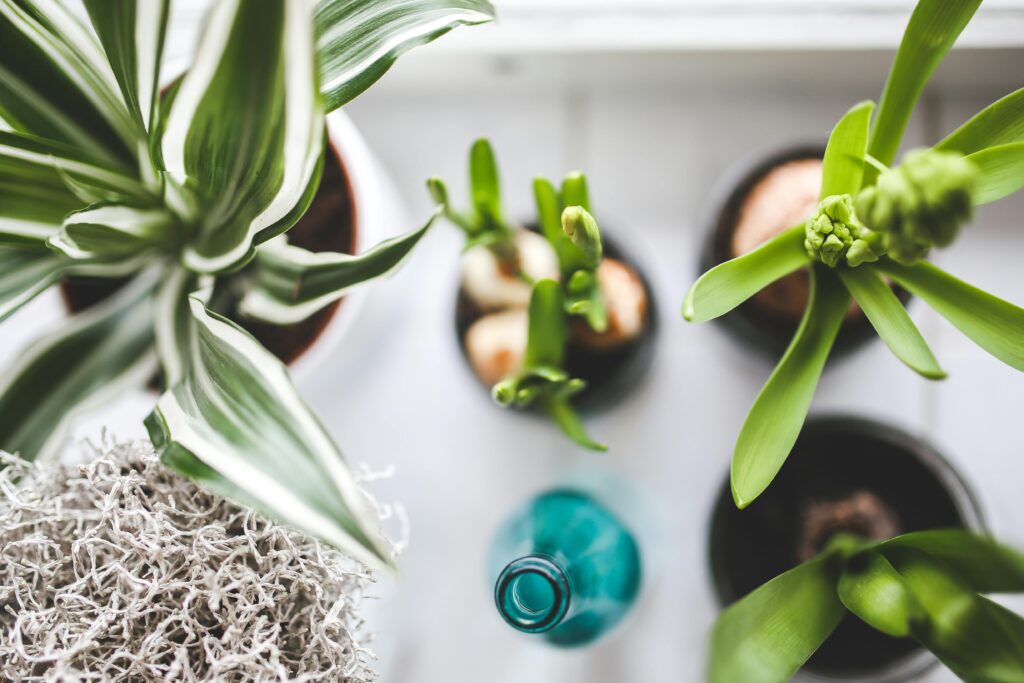
Tips for Resilient Design and Planting in Humid Summers and Cold Winters:
🌱 Choose Climate-Adapted Plants: Select species known to thrive in both high humidity and freezing temperatures to ensure survival year-round.
💧 Improve Soil Drainage: Incorporate organic matter and create raised beds to prevent root rot during humid summers and avoid waterlogging.
🛡️ Use Windbreaks and Shelterbelts: Plant evergreen shrubs or trees strategically to protect tender plants from cold winter winds and reduce moisture loss.
☀️ Maximize Sun Exposure: Position plants to receive ample sunlight, which helps reduce fungal diseases common in humid summers and supports growth in cold conditions.
🌿 Implement Mulching Practices: Apply organic mulch to regulate soil moisture, protect roots from temperature extremes, and suppress weeds.
♻️ Design for Water Conservation: Incorporate rain gardens or swales to manage heavy summer rains, preventing erosion and flooding.
🧤 Plan for Seasonal Maintenance: Schedule pruning and cleanup in fall to remove diseased foliage and prepare plants for winter dormancy.
🌾 Diversify Plant Selection: Mix perennials, shrubs, and groundcovers to build ecosystem resilience, offering habitat and stabilizing soil.
By following these tips, you can develop a garden that thrives despite the challenges of humid summers and cold winters, creating a lasting, healthy landscape.
Key Concepts: Resilient Design and Planting in Humid Summers and Cold Winters
When we step into the world of resilient design and planting tailored for regions with humid summers and cold winters, we enter a fascinating dialogue between nature’s cycles and human ingenuity. This relationship is akin to a seasoned sailor learning to maneuver through both gentle breezes and brutal storms, using deep knowledge and nimble adjustments rather than brute force.
Understanding the Essence of Resilience in Landscapes
Resilience, in ecological and design terms, is the capacity to absorb shocks, adapt, and continue thriving despite the sometimes harsh challenges posed by the environment. For gardens and landscapes subjected to humid summers and cold winters, this resilience is not a mere luxury but a necessity. Such climates are shaped by wide oscillations in temperature and moisture , often extreme humidity during the growing season, followed by biting cold that can freeze the ground and with it, the vitality of plants.
Imagine the landscape as a living organism, its breath punctuated by seasons. During humid summers, the air is thick with moisture, almost as if the environment is inhaling deeply, swelling with life and growth potential. Come winter, it exhales with cold intensity, freezing and slowing life into dormancy, a kind of respiratory pause. Successful planting strategies weave into this rhythm, selecting species and design elements that do not simply endure but embrace and synchronize with these seasonal breaths.
The Dual Challenge: Moisture Management and Temperature Extremes
The delicate balancing act at the heart of design here lies in managing two often contradictory forces: abundant moisture and intense cold. Humid summers bring with them a profusion of moisture, but also the risk of fungal diseases, root rot, and soil saturation. Meanwhile, the harsh winters can desiccate and freeze, often damaging plants unprepared for such extreme cycles.
This climate demands a form of botanical wisdom that resembles that of a tightrope walker, maintaining delicate equilibrium amidst contrasting forces. Plants and materials chosen must have traits akin to a versatile athlete, able to withstand water-logged soils without suffocating roots, while also possessing antifreeze-like qualities to survive deep freezes.
The Language of Plant Selection: Adaptation and Form
In this nuanced environment, plant selection becomes a narrative of survival and adaptation. Deep-rooted plants function like underground reservoirs, tapping into moisture in drier soil layers during the sweltering summer humidity spikes. Some native species develop waxy leaf coatings, much like natural raincoats, repelling excess water and reducing disease vulnerability.
Similarly, deciduous trees and shrubs act as seasonal storytellers. Shedding their leaves at winter’s onset is a strategic retreat, a way to conserve resources and reduce damage during ice and frost. This choreography of leaf drop and regrowth tells of a resilience strategy that is at once defensive and regenerative.
Soil as the Silent Partner
Soil is often an unsung hero in resilient design and planting. It operates like the memory of the landscape, remembering moisture cycles and nutrient availability, and orchestrating plant health accordingly. In humid summers with cold winters, soil structure must be both sponge and buffer, a delicate balance to drain excess water and yet retain enough nutrients and moisture when frozen ground limits uptake.
The metaphor of soil as a living bank where plants make withdrawals and deposits sustains this idea. The design ensures the soil bank account never runs dry nor floods, preserving ecological economy year-round.
Microclimates: Nature’s Subtle Variations
Within any given landscape, microclimates act like individual characters with unique voices in the larger story. Resilient design harnesses these microclimates, north-facing slopes may linger longer in frost; sheltered pockets might escape the harshest winter winds; sun-drenched areas dry out faster after humid spells.
Recognizing and integrating these microclimates into planting choices is akin to a composer orchestrating a symphony where each instrument plays its unique part, collectively strengthening the resilience of the entire ecosystem. Without this attention, the landscape risks incoherence, vulnerability, and maladaptation.
Design Principles Weaving Resilience into the Fabric of the Landscape
Resilient design in such climates is not a static blueprint but a living manifesto. It draws on principles such as redundancy, planting multiple species with overlapping functions so the failure of one is cushioned by the survival of another. It embraces diversity, for monocultures in these demanding conditions often spell disaster when disease or weather strikes.
Symmetry and harmony become tools creating spatial organization that allows natural water flow, wind buffering, and sun exposure to work hand in hand with the plants’ physiological needs. This harmonization can be perceived as a dance, a well-rehearsed routine between design and nature, where resilience emerges not by opposing natural forces but by partnering with them.
Resilience Beyond Survival: Thriving Through Seasons
At its core, resilient design and planting for humid summers and cold winters transcends mere survival. It fosters landscapes that breathe and transform with their environment, that tell stories of endurance woven with beauty and functionality. This kind of resilience invites us to listen closely to the whispers of growing things, to watch how they open, retreat, stretch, and fold with the seasons.
In this light, resilient design becomes a tapestry of interconnections, soil, plant, water, and climate interlacing threads of persistence that offer a rich, living experience both in the summer’s humid crescendo and the winter’s frosted stillness. It’s a poetic balance reflecting nature’s own poetry: a cycle of challenge met with elegant adaptation.
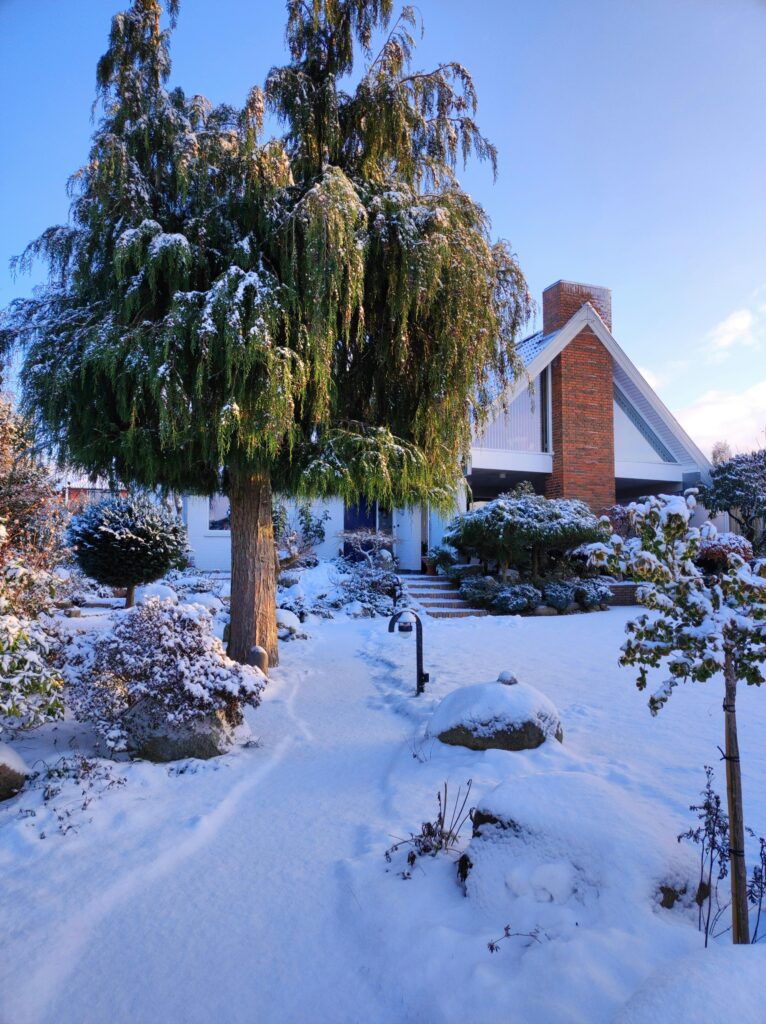
By appreciating these core concepts, we gain a deeper comprehension of what it truly means to cultivate resilience in landscapes buffeted by humid summers and cold winters, a conceptual framework where design becomes an active participant in nature’s enduring story.
Frequently Asked Questions (FAQs) about Resilient Design and Planting for Humid Summers and Cold Winters
❓ What is resilient design and planting in the context of humid summers and cold winters?
Resilient design and planting involves creating landscapes that can thrive despite the challenges posed by humid summers and cold winters. It means selecting plants and materials that can endure excessive moisture, heat, and frost, ensuring long-term sustainability and reduced maintenance.
❓ Which plants are best suited for resilient planting in areas with humid summers and cold winters?
Native plants adapted to the local climate are ideal. Perennials like hostas, ferns, and switchgrass, as well as hardy shrubs such as hydrangeas and boxwood, often perform well. These plants tolerate moisture during hot summers and survive freezing temperatures in winter.
❓ How can landscape design enhance resilience to seasonal extremes?
Incorporating proper drainage, using mulch to regulate soil moisture, and designing windbreaks help protect plants from extreme conditions. Layering plants to create microclimates and choosing drought- and frost-resistant species are key strategies in resilient design and planting.
❓ Is it necessary to adjust planting techniques for humid summers and cold winters?
Yes, adjusting planting techniques is crucial. For example, improving soil structure for better drainage prevents root rot in humid conditions, while planting at the right depth and time ensures plants establish before winter. Adding protective mulch and avoiding over-watering are essential steps.
❓ Can resilient design and planting reduce maintenance needs throughout the year?
Absolutely. By selecting plants that naturally withstand humidity and frost, and by designing landscapes that support their health, you reduce the need for frequent watering, pest control, and replanting. This approach saves time, effort, and resources while maintaining a beautiful, functional landscape.