




Imagine walking through your garden on a crisp autumn morning, the vibrant hues of amber, crimson, and gold swirling around you. The fiery leaves are a stunning sight, yet you know this seasonal masterpiece is fleeting. As fall gracefully bows out, winter creeps in, quiet and stark. How can you preserve the magic of your landscape through this seasonal shift? That’s where the art of seasonal design and planting becomes essential.
When it comes to transitioning your landscape from fall to winter, nothing beats a thoughtful approach crafted to embrace change rather than resist it. Seasonal design and planting isn’t just about choosing plants; it’s about weaving colors, textures, and forms that evolve naturally with the seasons. Whether you’re a seasoned gardener or just starting out, mastering this transition can transform your outdoor space, making it both beautiful and sustainable throughout the colder months.
In this article, you’ll discover the secrets to effective seasonal design and planting that will help your garden thrive as autumn leaves fall and winter approaches. You’ll learn how to select plants that provide color and structure in the cold months, what key design principles keep your landscape visually engaging, and tips to protect and prepare your plants for winter’s chill. From choosing hardy evergreens to incorporating ornamental grasses and berries, your garden can remain a captivating reflection of the seasons.
We’ll also explore creative ways to use seasonal elements, such as mulches, garden art, and lighting, to highlight your planting choices and maintain interest when blooms become scarce. Moreover, you’ll gain insight into sustainable gardening practices that promote healthy soil and plant resilience, ensuring your landscape emerges vibrant come springtime.
By the end of this guide, transitioning your landscape from fall to winter through seasonal design and planting won’t feel like a challenge but an exciting opportunity to reconnect with nature’s cycles. Get ready to breathe new life into your garden, making it a year-round haven that tells its story in every season.
Why Seasonal Design and Planting Are Essential for a Seamless Fall to Winter Landscape Transition
When the vibrant hues of fall begin to fade and the chill of winter approaches, maintaining a visually appealing and healthy landscape can seem challenging. This is precisely where seasonal design and planting come into play, a strategic approach that ensures your outdoor spaces remain dynamic and thriving despite the changing seasons. But what exactly does seasonal design and planting mean, and why should homeowners and landscapers care so much about it?
Seasonal design and planting refers to the deliberate selection and arrangement of plants, colors, and textures that harmonize with the specific climatic conditions and aesthetic moods of each season. Unlike year-round landscaping that relies heavily on evergreens or static designs, seasonal landscaping emphasizes transition, adaptability, and visual interest that evolves throughout the year. This thoughtful approach allows your garden to tell a story, reflecting the natural rhythm of the environment while providing functional and aesthetic benefits.
One compelling reason to adopt seasonal design and planting is climate adaptability. For example, many plants that flourish in the warmth of fall may struggle or go dormant as winter arrives. By incorporating species that are resilient to colder temperatures, such as ornamental grasses, evergreens, and winter-flowering shrubs, you can maintain texture and color during harsher months. According to a 2023 survey by the National Garden Association, 68% of gardeners who implement seasonal planting report higher satisfaction with their landscape’s visual appeal through winter compared to 42% who don’t plan for seasonal transitions.
Beyond aesthetics, seasonal design and planting provide ecological benefits. Strategically placed plants can improve soil health, reduce erosion, and even offer habitat for birds and beneficial insects during winter months. This holistic approach supports a balanced ecosystem within your property, making your garden not just beautiful but sustainable.
Consider the story of a homeowner in Vermont named Lisa. After years of a garden that looked neglected by late fall, Lisa invested time and resources into seasonal design and planting. She incorporated hardy winter plants like boxwoods, hellebores, and conifers alongside late-blooming perennials. The transformation was remarkable, not only did her garden stay vibrant well into winter, but she also noticed reduced maintenance and healthier soil conditions. Lisa’s neighbors frequently compliment her landscape, which now provides year-round enjoyment and adds significant curb appeal.
In summary, seasonal design and planting are far more than mere gardening trends, they are vital tools to master the challenges of transitioning your landscape from fall to winter. By embracing this practice, you safeguard beauty, boost ecological health, and create outdoor spaces that echo the natural flow of seasons. As you delve deeper into seasonal landscaping, you’ll uncover techniques and plant selections that empower your garden to shine even when the temperature drops.
How to Master Seasonal Design and Planting: Transitioning Your Landscape from Fall to Winter in 7 Essential Steps
Transitioning your garden seamlessly from the vibrant hues of fall to the serene beauty of winter requires thoughtful seasonal design and planting strategies. Mastering this process not only preserves your landscape’s visual appeal but also prepares your plants to thrive during colder months. Here’s a step-by-step guide to effectively implement seasonal design and planting, ensuring your outdoor space stays inviting and healthy as the seasons change.
1. Assess Your Existing Landscape
Before making any changes, walk through your garden to evaluate what plantings are currently thriving and what needs attention. Seasonal design and planting hinge on understanding your garden’s strengths and weaknesses during fall and how those will evolve in winter. Take note of:
– Plants that remain attractive or provide structure into winter (e.g., evergreens, ornamental grasses)
– Areas that may look bare or sparse once fall foliage fades
– Soil condition and drainage, which influence plant survival through winter
Creating a mental or physical map during this assessment will guide your planting decisions.
2. Choose Plants That Shine in Winter
In seasonal design and planting, selecting the right plants for winter impact is crucial. Think beyond typical flowers; focus on textures, forms, and colors that enliven the winter garden:
– Evergreens: Conifers like spruce, pine, and fir provide year-round greenery.
– Deciduous shrubs with colorful bark: Red twig dogwood and coralberry add vivid contrast.
– Ornamental grasses: Species like Miscanthus and feather reed grass offer movement and softness.
– Winter perennials: Hellebores and witch hazel bloom during colder months.
– Berry-producing shrubs: Holly and winterberry attract birds and add richness.
By incorporating these plants, your seasonal design and planting strategy ensures your landscape remains visually compelling and ecologically balanced.
3. Prepare the Soil and Amend as Needed
Healthy soil forms the foundation of successful seasonal design and planting. Before adding new plants, prepare your soil to help them establish quickly despite dropping temperatures:
– Test soil pH and nutrient levels.
– Incorporate organic matter like compost or well-aged manure.
– Mulch planting beds with straw or shredded leaves to provide insulation.
Good soil prep enhances root growth, increases moisture retention, and protects plants during frosts.
4. Implement Layered Planting for Depth and Interest
Layered planting is a powerful tool in seasonal design and planting to create depth and year-round interest. Combine different plant heights and types to build a dynamic scene:
– Use taller evergreens as backdrops.
– Plant mid-height shrubs with colorful stems or berries.
– Add low ground covers or hardy perennials in front.
This stratification not only mimics natural ecosystems but also traps heat closer to the ground, benefiting plant survival during winter.
5. Incorporate Hardscape Elements to Complement Plantings
Seasonal design and planting extend beyond flora to include hardscape elements like pathways, garden sculptures, and seating areas. In winter, these features gain prominence as plants become dormant:
– Install winding paths that invite exploration even in snowy conditions.
– Use benches or fire pits to create cozy outdoor gathering spots.
– Add winter-themed decorations such as lanterns or bird feeders for visual interest.
Hardscapes ensure your landscape remains functional and beautiful throughout the winter months.
6. Schedule Timely Planting and Maintenance
Timing is everything in seasonal design and planting to ensure plants establish before frost. Follow this seasonal timeline:
– Plant cold-hardy evergreens and shrubs in early fall or late winter.
– Divide and transplant perennials during their dormancy in late fall.
– Apply mulch after planting to conserve moisture and insulate roots.
– Prune dead or diseased branches before winter sets in to reduce stress.
Regular maintenance, including watering during dry spells and monitoring for pest issues, keeps your landscape resilient and attractive.
7. Plan for Spring Revival and Longevity
Effective seasonal design and planting isn’t just about winter survival, it sets the stage for a vibrant spring. Consider:
– Incorporating bulbs like tulips and daffodils in fall for early spring color.
– Choosing plant varieties with staggered bloom times to extend visual interest.
– Rotating annuals and perennials annually to prevent soil depletion.
This forward-thinking approach ensures your garden transitions smoothly through all seasons.
By following these seven essential steps in seasonal design and planting, you can transform your landscape into a versatile, captivating environment that thrives from fall through winter. Embrace the beauty of each season while nurturing the health of your garden , your outdoor sanctuary will thank you with lasting charm and vitality.
Image suggestion: A layered winter garden with evergreens, red twig dogwood, ornamental grasses, and a snow-dusted stone pathway illustrating the principles of seasonal design and planting.
Tips for Seasonal Design and Planting: Transitioning Your Landscape from Fall to Winter
✅ Plan Ahead: Select plants that thrive in colder temperatures to ensure your garden remains vibrant through winter.
✅ Incorporate Evergreens: Use evergreens to provide structure and color when deciduous plants lose their leaves.
✅ Mulch Generously: Apply a thick layer of mulch to protect roots from freezing and help retain soil moisture.
✅ Use Seasonal Colors: Incorporate ornamental grasses, berries, and seed heads to add texture and warm tones.
✅ Protect Delicate Plants: Cover sensitive perennials with burlap or frost cloth to shield them from harsh winds and frost.
✅ Remove Fallen Leaves: Clear leaves to prevent mold and pests, but consider leaving some in garden beds for insulation.
✅ Add Winter Interest Features: Integrate elements like decorative containers, winter-hardy shrubs, or garden sculptures.
✅ Water Wisely: Continue moderate watering until the ground freezes to keep plants hydrated through winter dormancy.
💡 Extra tip: Plan your spring garden in late winter by planting bulbs in protected spots during the cold months.
Key Concepts
When exploring Seasonal Design and Planting, particularly in the delicate transition from fall to winter, one steps into a symphony of change where every element in the landscape shifts rhythmically to the beat of the seasons. This transformation is not merely about replacing plants or trimming foliage; it is a thoughtful choreography that honors the cyclical nature of life and the subtle dialogues between color, texture, and form.
The Dance of Dormancy and Renewal
At the heart of this seasonal transition lies a paradox: the graceful retreat of lush growth into dormancy, paired with the quiet promise of renewal. In fall, plants engage in a final crescendo of color and vitality, a last hurrah where maples blaze in fiery reds, and ornamental grasses sway in shimmering golds. As winter approaches, these vivid displays wane like a fading performance, giving way to the stark, skeletal elegance of bare branches and evergreens that stand as silent sentinels against frost.
This cyclical ebb and flow mirrors the natural world’s pulse, urging us to appreciate the beauty found in what many might consider absence or decay. It is like reading a novel’s final chapter where the story concludes yet leaves an unmistakable hint of a sequel.
The Palette of the Season: More Than Just Color
While color often takes center stage in seasonal planting, the transition from fall to winter invites a deeper appreciation of form and texture. The brilliant reds and oranges of autumn leaves are fleeting; soon, more subdued tones and structural elements dominate. Evergreen conifers offer steadfast green hues that contrast with the white of snow or frost, much like a painter’s deep brushstrokes holding the canvas steady amidst shifting light.
Similarly, the architectural shapes of seed pods, dried flowers, and winding vines provide visual interest during the landscape’s quieter months. These features engage the senses in a palette that transcends color, painting a landscape with the language of lines, shadows, and silhouettes, a reminder that design is as much about what isn’t there as what is.
The Rhythm of Planting: Timing and Purpose
Seasonal Design and Planting is also about timing , knowing when each element steps into the spotlight and when it quietly bows out. The fall-to-winter transition is a narrative of intentional pauses and bursts. Bulb planting, for instance, may occur in late fall, under the crust of cold soil, as if planting a secret promise for spring’s awakening.
This timing reflects a layered approach, akin to composing music where rests and crescendos create harmony. Understanding these rhythms helps to frame the landscape not as a static picture but as a dynamic, living story that changes with each day and night.
The Role of Evergreen and Structural Plants: Guardians of the Winter Landscape
In the somber quiet of winter, evergreens and structurally strong plants assume the role of guardians in the garden. Their persistent greenery and resilience provide an anchor, offering visual continuity that helps to bridge seasons. Imagine evergreens as steadfast characters in the story, present through adversity and change, providing shelter and contrast against the muted background.
Beyond their aesthetic contribution, these plants serve ecological roles , offering refuge and food for winter wildlife, and stabilizing soil during harsh weather. Their enduring presence echoes in the design philosophy of resilience and longevity, reminding us that beauty thrives even in adversity.
The Subtle Messaging of Seasonal Transitions
Every garden tells a story, and the seasonal shift from fall to winter whispers themes of letting go, reflection, and hope. Leaves falling to the earth are like pages turning, their decay nourishing the ground for future chapters. Meanwhile, bare branches and soft snow blankets compose moments of stillness and contemplation.
In this sense, seasonal design transcends mere decoration and becomes a metaphor for life’s cycles, inviting a mindful engagement with nature’s rhythms. It is a ritual of embracing impermanence while simultaneously preparing for new beginnings.
Interplay of Light and Shadow in Winter Landscapes
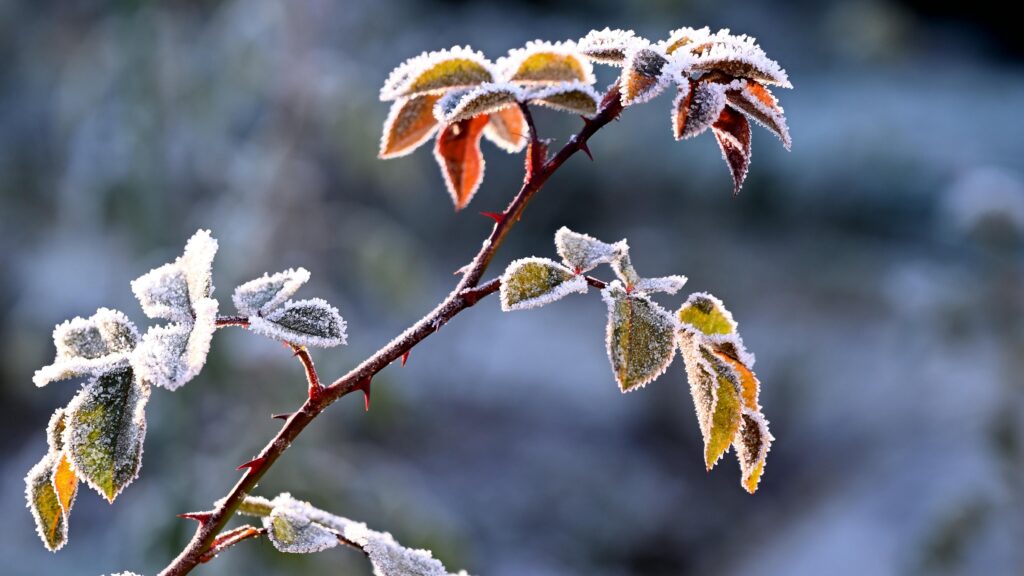
As daylight fades earlier and shadows lengthen in winter, the landscape becomes a canvas for subtle light play. Frost can catch the low sun’s rays, transforming dormant plants into sparkling sculptures. Branches, stripped bare, cast intricate lace-like shadows that add depth to the winter scene.
This interplay highlights the importance of considering how seasonal light affects design. The winter garden, far from being bleak, reveals a quiet drama that unfolds primarily in nuances of illumination and contrast, much like a black-and-white photograph that invites close inspection to reveal hidden details.
Ultimately, the art of Seasonal Design and Planting during the fall-to-winter transition combines an appreciation for organic cycles, a refined sensitivity to natural textures and forms, and a timeless narrative about resilience and transformation. It calls for an understanding that gardens are living stories, shaped by the seasons and shaped to inspire reflection and wonder.
Frequently Asked Questions about Seasonal Design and Planting: Transitioning Your Landscape from Fall to Winter
❓ What is Seasonal Design and Planting, and why is it important for transitioning from fall to winter?
Seasonal Design and Planting involves selecting and arranging plants that thrive during specific times of the year to create a visually appealing and healthy landscape. Transitioning your landscape from fall to winter is important because it ensures your garden remains attractive and resilient despite colder temperatures and changing weather conditions.
❓ Which plants are best suited for a successful fall to winter garden transition?
Plants like evergreens, ornamental grasses, winter berries, and certain perennials such as hellebores and pansies are excellent choices. These plants provide structure, color, and interest while withstanding colder temperatures, making your landscape beautiful even in winter.
❓ How can I prepare my garden beds for the seasonal change from fall to winter?
Start by removing dead or diseased foliage, then add a layer of mulch to protect roots from freezing temperatures. Adjust watering schedules as plant growth slows down, and consider planting cover crops or adding winter-hardy bulbs for early spring color.
❓ Can seasonal design help reduce garden maintenance during winter?
Absolutely. By choosing low-maintenance, hardy plants and incorporating design elements like mulch and ground covers, you can minimize upkeep. Seasonal Design and Planting strategies aim to create a landscape that requires less intervention during harsh winter months.
❓ Are there any design tips to make a winter garden visually appealing?
Yes, focus on texture and form by using evergreens, sculptural branches, and ornamental grasses. Incorporating plants with colorful berries or bark, along with hardscape elements like stones and garden art, keeps the winter garden interesting and inviting.