



Imagine waking up on a crisp winter morning, stepping outside to see your yard transformed into a breathtaking snowed landscape, a pristine blanket of white stretching as far as the eye can see. While this picturesque scene brings a sense of calm and beauty, the reality behind that snowed landscape can also pose serious challenges for homeowners. Ice-laden driveways, slippery sidewalks, and heavy snow resting on delicate plants can create hazards and potential damage that cannot be ignored.
In this article, we’ll explore reliable snow and ice removal solutions that not only help maintain the charm of a snowed landscape but also protect your home and property during the harshest winter months. Understanding the best strategies to combat snow and ice accumulation will empower you to preserve the safety and aesthetics of your outdoor space without sacrificing the magic of winter’s beauty.
When it comes to maintaining a snowed landscape, the balance between preserving natural beauty and ensuring safety is crucial. You want to avoid damaging your shrubs and flower beds while preventing ice buildup that can make pathways dangerous. That’s why sensible snow and ice removal extends beyond simply shoveling snow, it’s about using the right tools, techniques, and products to protect your home infrastructure, plants, and hardscape.
By the end of this read, you will understand practical methods for clearing snow and ice effectively, from choosing eco-friendly deicing agents that safeguard delicate landscapes to adopting snow removal schedules that preempt ice formation. We’ll also cover tips on protecting your home’s foundation, gutters, and outdoor fixtures from winter damage, as well as how to hire professional services when needed.
If you have ever felt overwhelmed by the thought of managing a snowed landscape during winter’s worst, you’re not alone. But with the right knowledge and proven solutions, you can keep your home safe, your plants healthy, and your driveway passable, making winter a season of peace rather than a burden. Stay with us as we dive into the most reliable snow and ice removal strategies to help your property thrive, no matter how much snow falls.
Why a Snowed Landscape Deserves More Attention Than You Think
When winter arrives and blankets the world around us with a thick layer of snow, the beauty of a snowed landscape is undeniable. The serene whiteness creates picturesque scenes straight out of a postcard, transforming ordinary yards into magical winter wonderlands. But beyond its breathtaking appearance, a snowed landscape demands careful attention and reliable snow and ice removal solutions to protect your home and the natural elements around it.
A snowed landscape refers to any outdoor area, lawns, gardens, driveways, sidewalks, and more, that is covered in snow. While this blanket of snow may seem like a harmless seasonal feature, it poses several risks if not managed properly. Snow accumulation can cause physical damage to trees and shrubs by adding stress to branches, sometimes breaking them under heavy loads. Moreover, when snow melts and refreezes, it forms ice layers that can affect soil health, damage foundations, and create slippery surfaces that endanger people and pets.
Understanding the importance of managing a snowed landscape is critical, especially in regions that experience heavy snowfall regularly. According to the National Snow & Ice Data Center, some areas can receive up to 300 inches of snow annually, with prolonged snow cover lasting for several months. This means that the snowed landscape is not just a fleeting scene but a persistent condition that homeowners must address. Without proactive snow and ice removal strategies, long-term damage can result, not just to the infrastructure but also to the economics of home maintenance.
One real-world example that highlights the value of effective snow and ice removal solutions comes from Vermont, a state notorious for harsh winters. Homeowners who invested in professional snow removal services reported a 40% decrease in winter-related property damage compared to those who attempted to manage snow accumulation themselves. Beyond just preventing damage, these homeowners enjoyed safer outdoor spaces, reduced liability risk, and preserved the natural beauty of their landscapes throughout the cold season.
Reliable snow and ice removal solutions ensure that the aesthetic appeal of a snowed landscape is maintained without sacrificing safety. They help protect your home’s structural integrity by preventing the build-up of ice dams, which can cause costly leaks and water damage. Additionally, by clearing pathways and driveways carefully, they reduce the likelihood of slip-and-fall accidents, a critical concern during icy months.
In summary, while a snowed landscape offers undeniable charm, it also requires strategic care. Understanding what a snowed landscape entails and why investing in dependable snow and ice removal solutions is vital can save homeowners considerable trouble, expense, and worry. In the following sections, we will explore practical methods and expert tips to keep your winter wonderland both beautiful and safe all season long.
How to Apply Snowed Landscape Techniques Step by Step
When winter arrives, a snowed landscape can be breathtakingly beautiful, but it also brings challenges that require careful management to protect your home and outdoor spaces. Applying effective snow and ice removal strategies is essential for maintaining the integrity and aesthetic appeal of your landscape while ensuring safety. Here’s a step-by-step guide to help you navigate the snowy season with confidence and care.
1. Assess the Current Condition of Your Snowed Landscape
Before diving into removal tasks, take a thorough walk around your property to understand the extent and type of snow and ice accumulation. Look for:
– Areas where snow has piled up near foundations, walkways, and driveways.
– Ice patches on steps and paths that could cause slips.
– Vulnerable shrubs and plants weighed down by heavy snow.
Understanding these details will shape your approach to snow and ice removal, ensuring you apply the right technique to each part of your landscape.
2. Choose the Right Tools and Materials
Having the right equipment makes snow and ice removal faster and more effective, reducing damage to your landscape. Your toolkit should include:
– A sturdy snow shovel with an ergonomic handle to reduce strain.
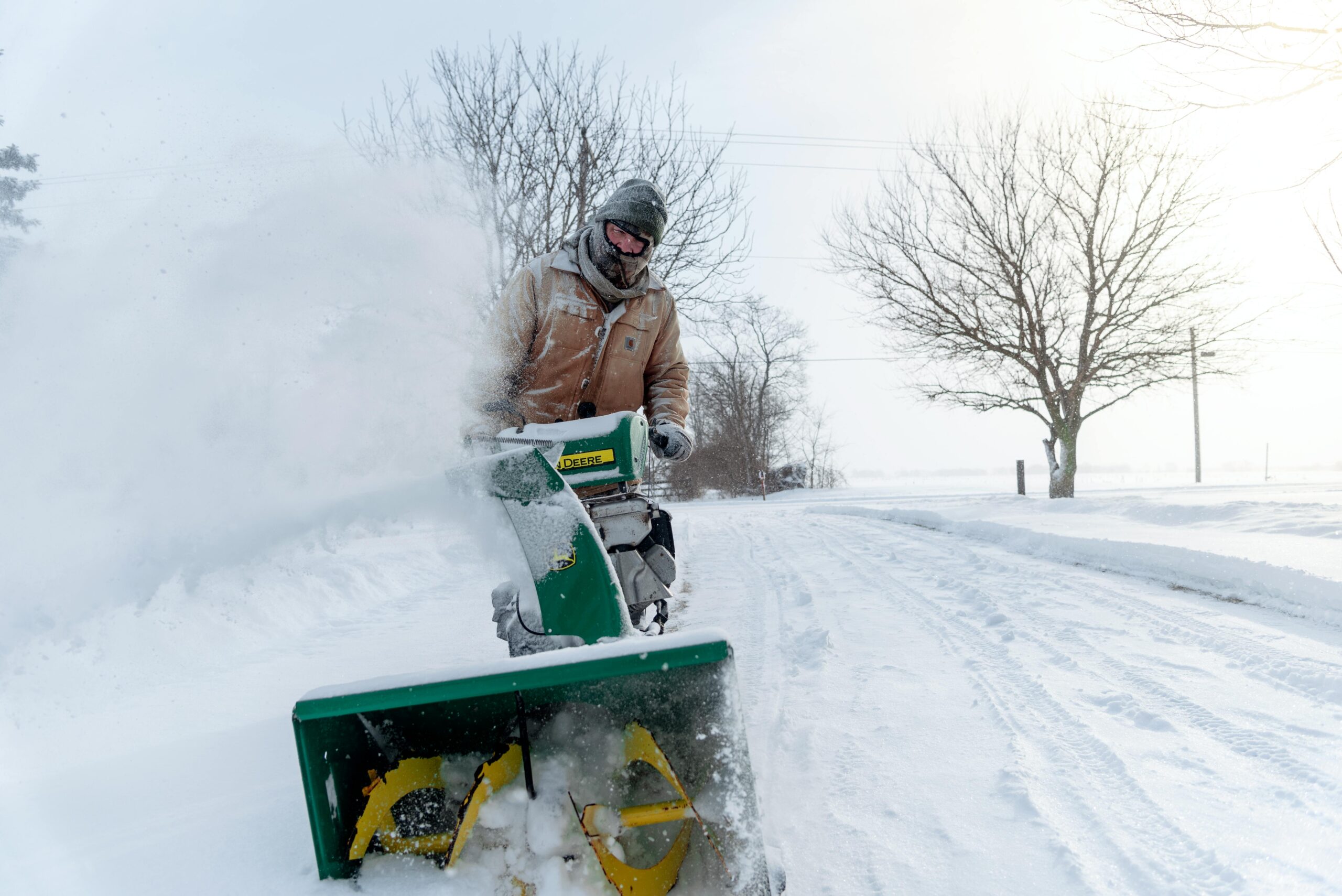
– Snow blowers for larger driveway or lawn areas.
– Ice melt products safe for vegetation, pets, and concrete. Look for calcium magnesium acetate or potassium chloride as eco-friendly options.
– Sand or kitty litter for traction on ice patches.
Using materials unsuitable for plants, such as traditional salt, can harm your landscape’s health, so selecting landscape-safe options is crucial for preserving your snowed landscape’s beauty.
3. Clear Snow Gradually and Properly
Removing snow isn’t about speed but method. Here’s how to maintain your snowed landscape effectively:
– Start by clearing snow near your home’s foundation to prevent water seepage from melting snow.
– Shovel snow in layers rather than trying to remove thick piles in one go, which can strain your body and damage underlying plants.
– Avoid piling snow onto garden beds or near trees, as this can crush or suffocate plant roots.
– Use your snow blower or shovel to push snow away from critical landscape features like flower beds and bushes.
4. Manage Ice Safely and Strategically
Ice can be the most dangerous and damaging part of the winter landscape. Here are techniques to control it effectively:
– Apply ice melt products sparingly and only on areas like walkways or steps where slipping risk is highest.
– Avoid excessive ice melt use near grass or garden beds to prevent salt damage.
– Spread sand or similar traction agents to improve footing on icy patches without harming plants.
5. Protect Vulnerable Plants and Hardscape Features
A snowed landscape is more than just a snow-covered surface , it’s a complex ecosystem of plants and structures needing care through winter:
– Gently brush heavy snow off evergreen branches to prevent breakage.
– Use burlap wraps or plant covers on delicate shrubs to shield them from frost and salt damage.
– Clear snow and ice around hardscape features such as patios, fountains, and fences to avoid freeze-thaw damage.
6. Monitor the Weather and Adjust Your Approach
Snow and ice conditions can change rapidly, so staying informed with regular weather updates allows you to:
– Prepare for incoming storms by clearing areas in advance.
– Adjust your ice management strategy based on temperature fluctuations.
– Prevent ice dams on roofs by ensuring proper snow removal from gutters and eaves.
7. Maintain a Consistent Snow and Ice Removal Schedule
Consistency is key to preventing buildup and deterioration of your snowed landscape:
– Clear snow after every significant snowfall , waiting too long makes removal harder and increases risk of ice formation.
– Check for refreezing and apply ice treatments as needed between snowfalls.
– Conduct regular landscape inspections during winter to spot any damage early.
Example: Applying Snowed Landscape Care in a Typical Winter Storm
Imagine a sudden snowfall of six inches overnight. Begin your day by:
1. Taking a quick walk to assess snow depth and any ice crystals forming from a previous thaw.
2. Equipping yourself with a snow shovel and applying calcium magnesium acetate along your driveway edges.
3. Shoveling snow away from your home’s foundation carefully, avoiding pushing snow onto garden beds.
4. Brushing snow off your rose bushes and wrapping nearby young shrubs with protective burlap.
5. Spreading sand on icy steps to prevent slipping throughout the day.
By following these practical steps, you safeguard your home and landscape from the harsh effects of winter while preserving the serene beauty of your snowed landscape.
Applying these snowed landscape techniques step by step ensures a winter season that is not only manageable but also enjoyable. Reliable snow and ice removal solutions protect your outdoor spaces and help maintain the vibrant health and safety of your home environment.
Tips for Protecting Your Home and Landscape with Reliable Snowed Landscape Solutions:
❄️ Plan Ahead: Monitor weather forecasts to prepare your snow and ice removal tools in advance, ensuring quick response when snow hits.
🧹 Use Gentle Tools: Opt for plastic shovels or snow pushers to clear snow without damaging delicate plants or hardscape features in your landscape.
🌿 Protect Your Plants: Cover vulnerable shrubs and flowers with burlap or frost cloth to shield them from heavy snow and ice buildup.
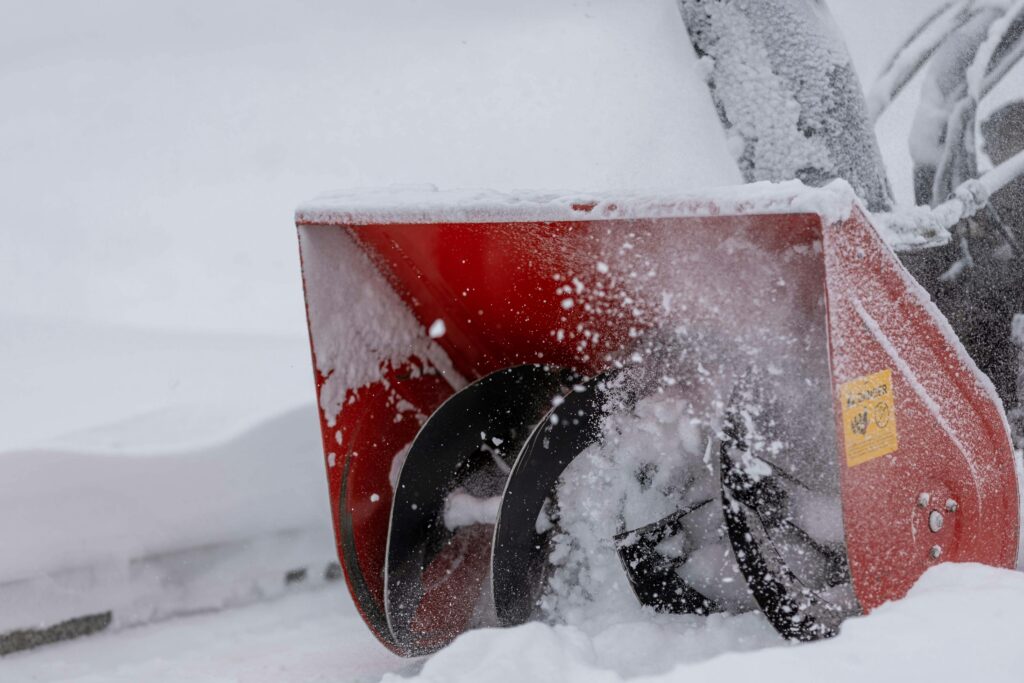
🚜 Choose the Right Equipment: Invest in reliable snow blowers or plows suitable for your property’s size, which prevent excessive salt or chemical use that harms vegetation.
🧂 Use Safe Ice Melt Products: Select ice melt solutions that are safe for your lawn and garden, such as calcium magnesium acetate or potassium chloride, avoiding harsh salts.
🚫 Avoid Over-Salting: Apply ice melt sparingly and only where necessary, as too much can degrade soil quality and damage plant roots over time.
🧤 Wear Protective Gear: When removing snow manually, wear gloves and non-slip boots to maintain safety and comfort during prolonged outdoor work.
♻️ Implement Drainage Solutions: Ensure proper drainage around your home’s foundation and landscape to prevent ice dams and water damage during snowmelt.
💡 Extra tip: Incorporate evergreen plants and native grasses in your landscaping design, they withstand snow better and reduce maintenance during winter months.
By following these reliable snow and ice removal solutions, you can safeguard both your home and the beauty of your snowed landscape throughout the winter season.
Key Concepts
Exploring the idea of a snowed landscape invites us into a world dramatically transformed by the quiet yet potent hand of winter. A snowed landscape is not merely a scene blanketed in white; it is an intricate interplay of nature’s elements, human habitation, and the ongoing battle to preserve safety, aesthetics, and structural integrity amid the cold. Within the context of Reliable Snow and Ice Removal Solutions to Protect Your Home and Landscape, understanding this concept requires appreciating several foundational perspectives.
The Snowed Landscape as a Dual Narrative: Beauty and Burden
At first glance, a snowed landscape evokes pure visual poetry. Snow acts like a silent artist, covering every contour with a pristine sheet, muting the harshness of reality beneath a soft, uniform veil. It transforms mundane yards, trees, and architectural lines into ethereal sculptures, highlighting nature’s capacity for serene grandeur. Yet, beneath this beauty lies complexity. Snow is both protector and threat; it insulates dormant plants while imposing weight and moisture that can damage roots, branches, and built structures.
In this dual narrative, a snowed landscape becomes a study in contrasts, quiet elegance versus active risk. The house and garden, fundamentally vulnerable to climatic extremes, become characters in a story where snow and ice dictate terms. This dynamic sets the stage for why snow and ice removal is more than a chore, it’s an essential act of caretaking that respects winter’s artistry while ensuring continued safety.
The Physical Characteristics of a Snowed Landscape
Snow accumulation reflects a delicate balance of temperature, humidity, and wind patterns. Each flake contributes to a complex mosaic of layered ice crystals, whose shapes and hardness affect how snow caps the earth. Understanding these physical nuances illustrates why removal solutions must be tailored: light, powdery snow behaves entirely differently from dense, wet snow or icy crusts.
For instance, powder snow can act like a fluffy blanket, both insulating plants against deep freezes and concealing hazards. Conversely, heavy, wet snow presses down with tangible weight, threatening structural collapse, from overloaded branches to weakened roof supports. Icy formations, often resulting from melting and refreezing cycles, turn landscapes treacherous, posing slipping hazards and creating persistent barriers preventing airflow and sunlight reaching flora.
Snow’s Impact on Home and Landscape Architecture
A snowed landscape is inseparable from the built environment it envelops. Roofs, gutters, driveways, patios, and plant beds each respond differently when coated in snow and interwoven with ice. The architectural design and material choices influence vulnerability and dictate appropriate interventions.
For example, steeply pitched roofs encourage snow to slide off naturally, alleviating weight build-up, unlike flatter roofs where snow lingers and risk accumulates. Asphalt pathways can freeze into slick sheets, necessitating monitoring distinct from softer garden soil, where compaction hampers root health. Even robust evergreens face the threat of limb breakage under winter’s weight, potentially jeopardizing fence lines or power cables.
Thus, the snowed landscape invites a holistic perspective, it insists on recognizing the intimate link between natural processes and human infrastructure. The landscape is a living system where every element is entangled in a delicate balance disrupted by snow and ice.
Emotional and Cultural Resonances of a Snowed Landscape
Beyond its physicality, a snowed landscape carries emotional and cultural weight. It is a symbol of seasonal rhythms, hibernation, renewal, resilience. For homeowners, it can evoke nostalgia for childhood winters or anxiety about unpredictable weather impacts. This emotional dimension frames how we perceive risk and motivates care approaches. When snow transforms a familiar yard into an otherworldly scene, the sense of stewardship intensifies, fueling the search for reliable preventive and remedial solutions.
Culturally, snowed landscapes have been celebrated in art, literature, and folklore as metaphors for purity, hardship, or transformation. Recognizing this enriches our appreciation of the stakes involved: preserving safety while honoring the seasonal heritage woven into every snowflake and icy branch.
The Imperative of Reliability in Snow and Ice Management
Ultimately, conceptualizing a snowed landscape within the framework of reliable snow and ice removal elevates the conversation beyond mere aesthetics or inconvenience. It acknowledges the unpredictable power of winter and the need for consistent, effective strategies to protect both home and landscape investments.
Reliability means understanding snow not just as a temporary layer, but as a dynamic force interacting with every aspect of a property, from soil microbiome to rooftop integrity. It demands foresight informed by science and experience, as well as respect for the environment surrounding the home.
In this way, the snowed landscape becomes more than a passive backdrop; it is an active participant in our lived environment, its challenges inviting ingenuity and care. Protecting it is not just a technical task but a commitment to maintaining the delicate equilibrium between nature’s winter embrace and human habitation’s resilience.
Frequently Asked Questions about Snowed Landscape
❓ What is a snowed landscape and why is it important to protect it?
A snowed landscape refers to outdoor areas covered by snow and ice during winter. Protecting your snowed landscape is crucial because accumulated snow and ice can damage plants, trees, walkways, and hardscapes. Reliable snow and ice removal solutions help maintain the health and aesthetic of your home’s outdoor environment.
❓ What are the best methods for snow and ice removal to protect my landscape?
The safest methods include using gentle snow shoveling around plants, applying eco-friendly ice melt products, and using snow blowers carefully to avoid damaging grass or garden beds. Avoid using harsh chemicals or heavy machinery close to delicate plants and hard surfaces.
❓ How often should I remove snow and ice to ensure landscape protection?
It’s ideal to clear snow and ice after every significant snowfall, typically when accumulation reaches 2 to 3 inches. Regular removal prevents ice buildup that can suffocate grass and harm plant roots, ensuring your landscape remains healthy throughout winter.
❓ Can salt damage my lawn and plants when used for ice removal?
Yes, traditional rock salt can be harmful to lawns and plants. It can dry out the soil and cause chemical burns. Opt for safer alternatives such as calcium magnesium acetate or sand, which provide traction without damaging your snowed landscape.
❓ Are professional snow and ice removal services worth it for protecting my home landscape?
Absolutely. Professionals have the right tools and expertise to efficiently remove snow and ice without damaging plants, trees, or hardscapes. Investing in reliable snow and ice removal solutions ensures the longevity of your investment in your home’s outdoor beauty.